
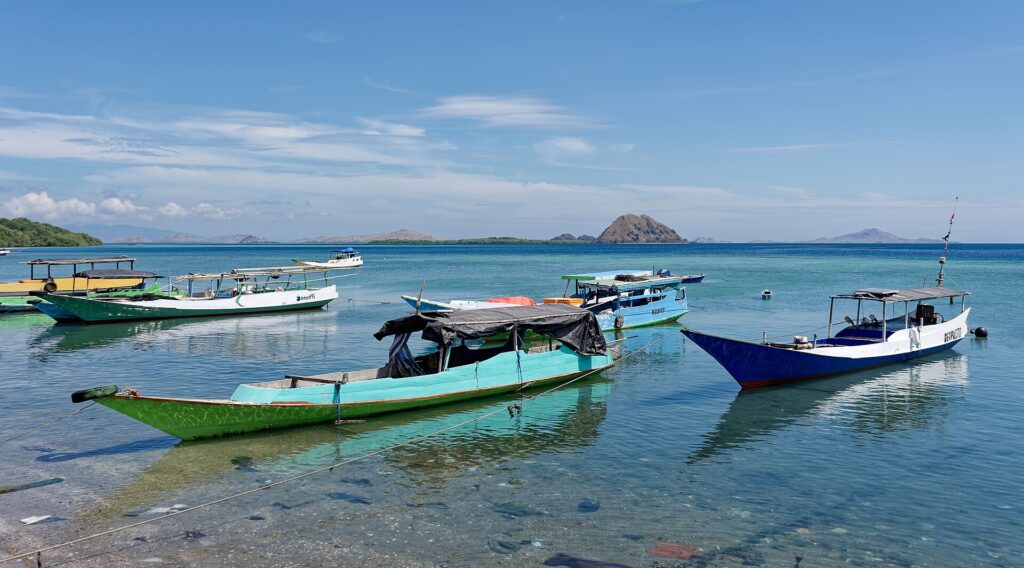
About This Place
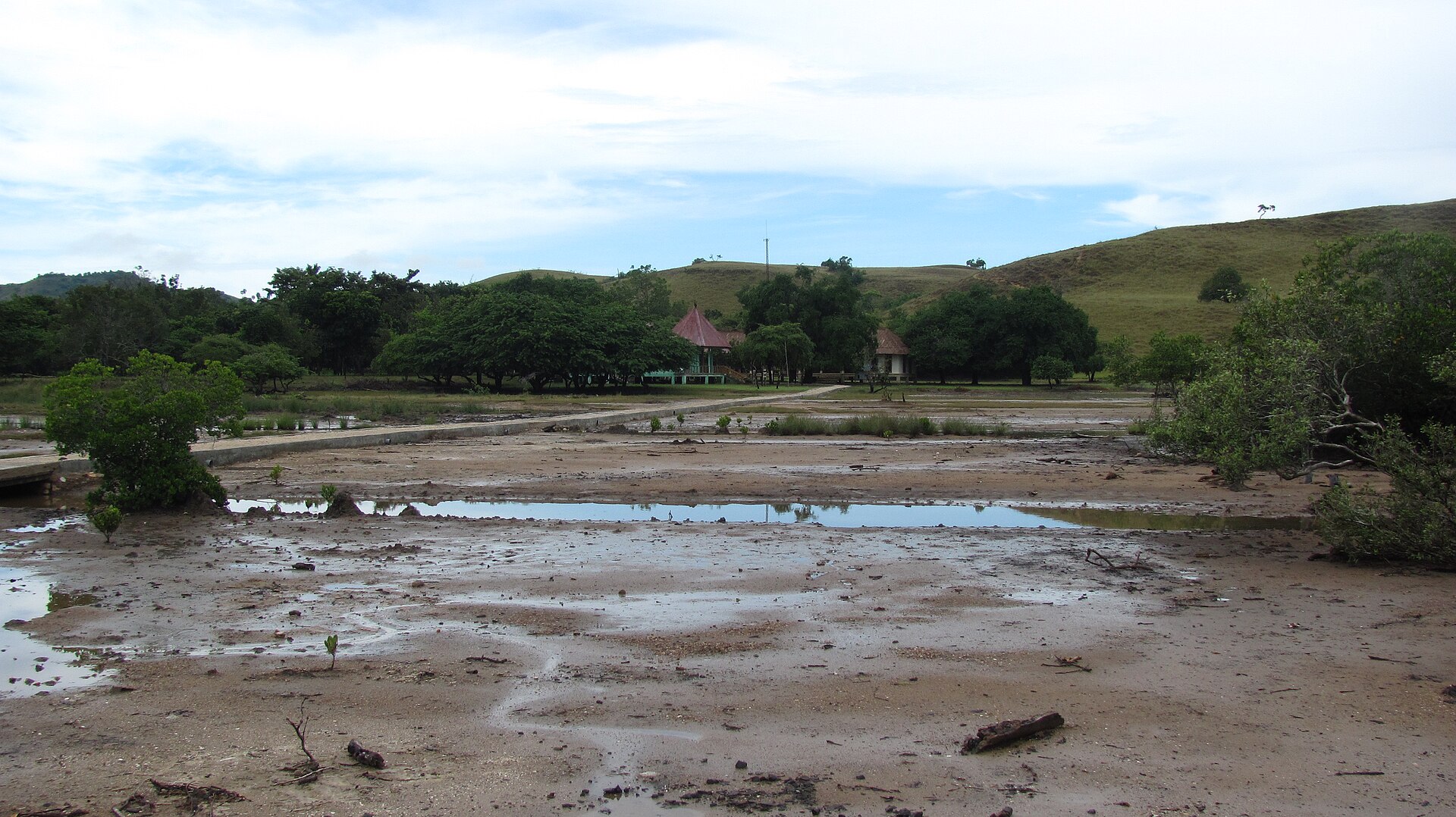
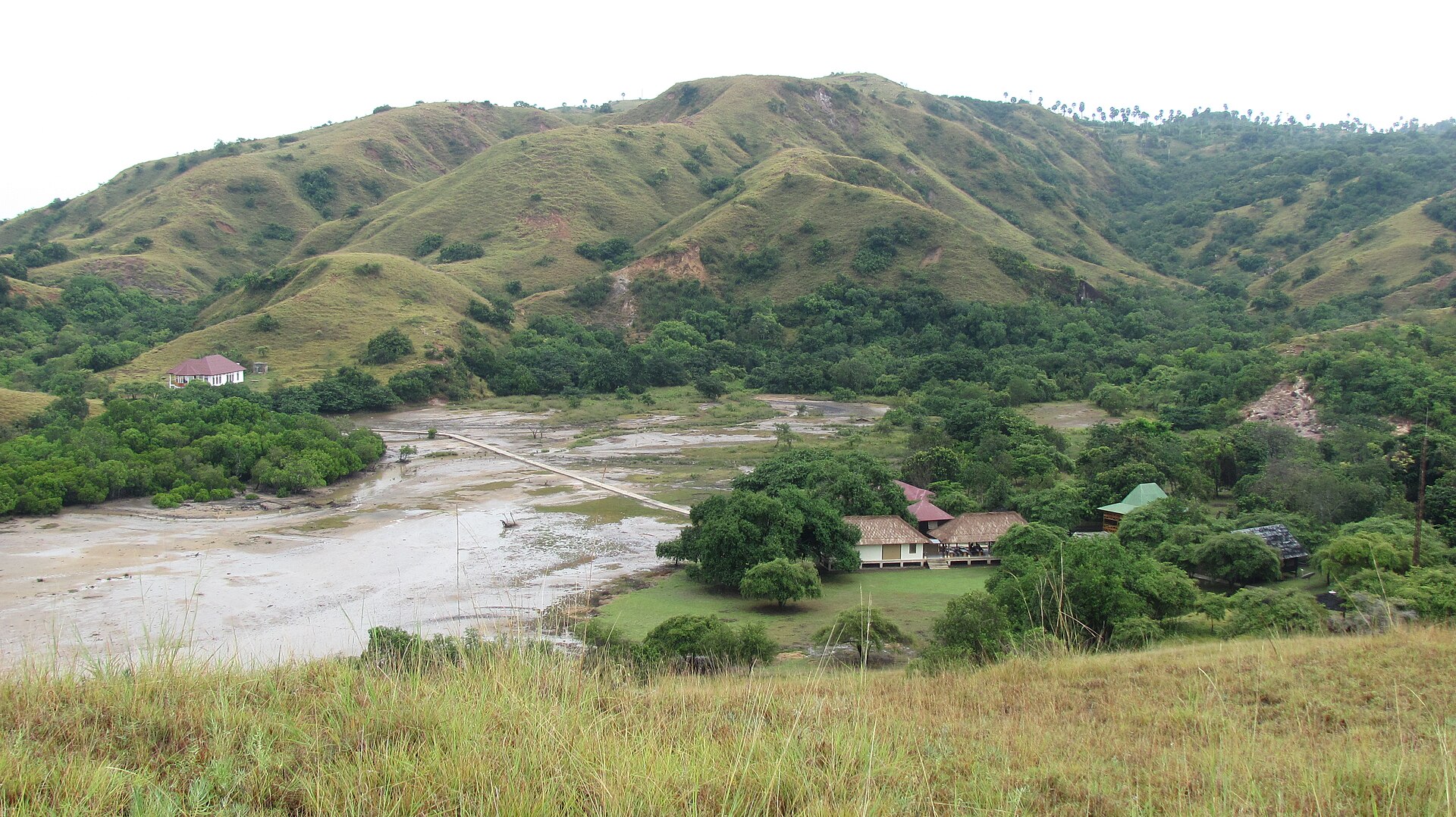
Rinca is the second-largest island in Komodo National Park and, for most visitors, the more practical of the two places you can legally walk among Komodo dragons. The ranger station sits at Loh Buaya — loh is bay, buaya is crocodile — and it is the island’s only jetty.
Dragons live wild in five areas of the map: Komodo, Rinca, Gili Motang, Nusa Kode and parts of western Flores outside the park. Only two are open to visitors, and treks run from two ranger stations only: Loh Liang on Komodo and Loh Buaya here.
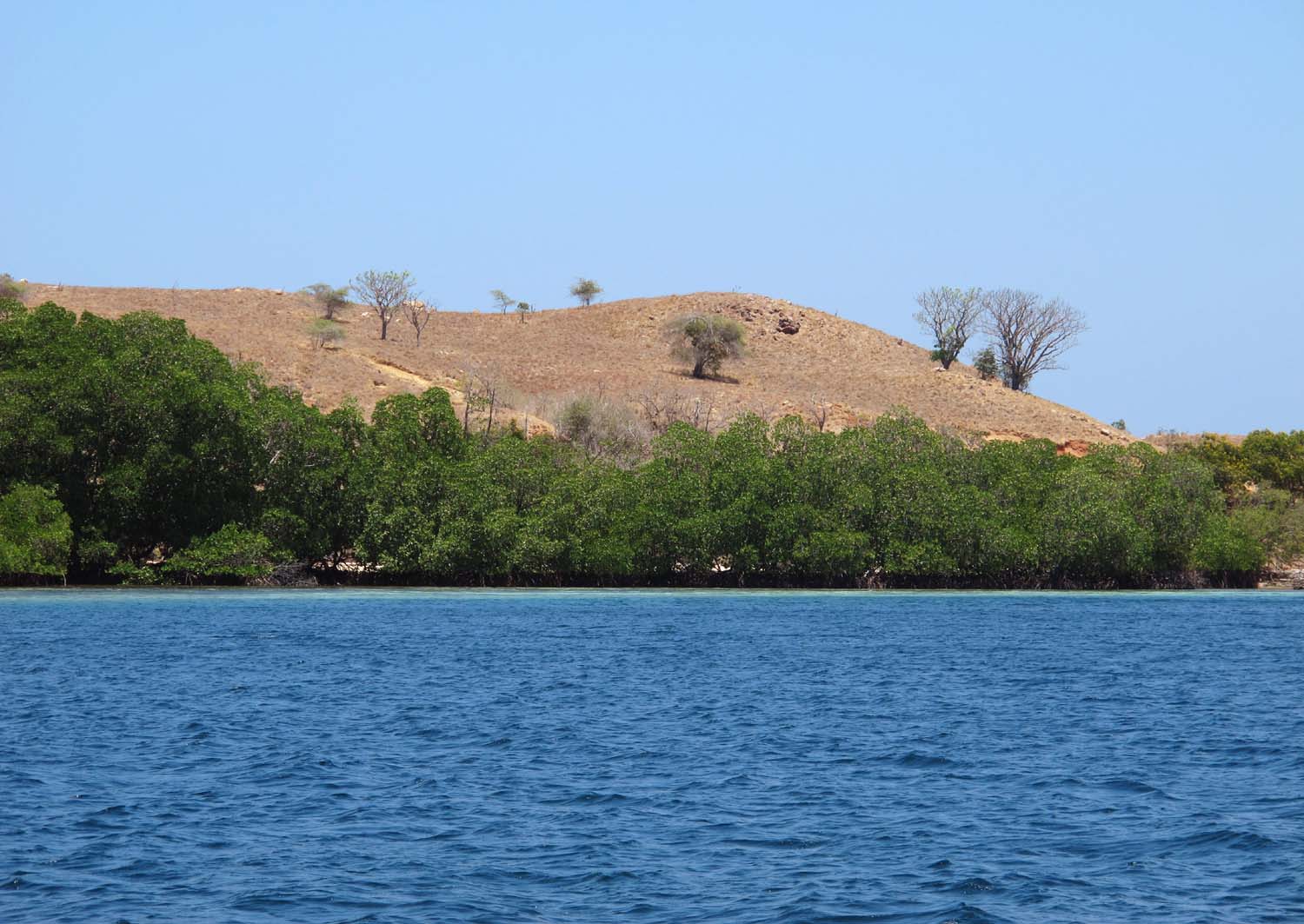
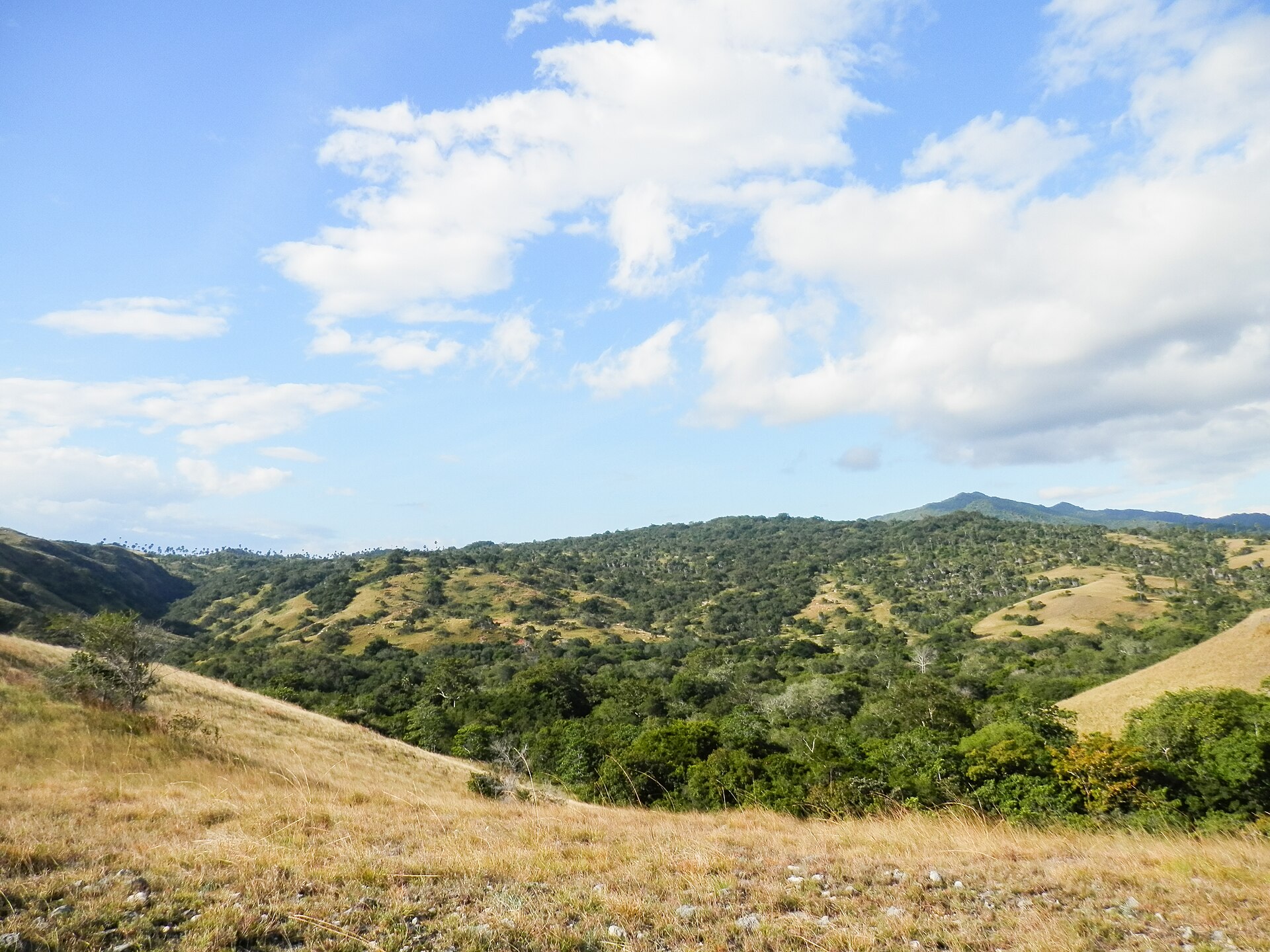
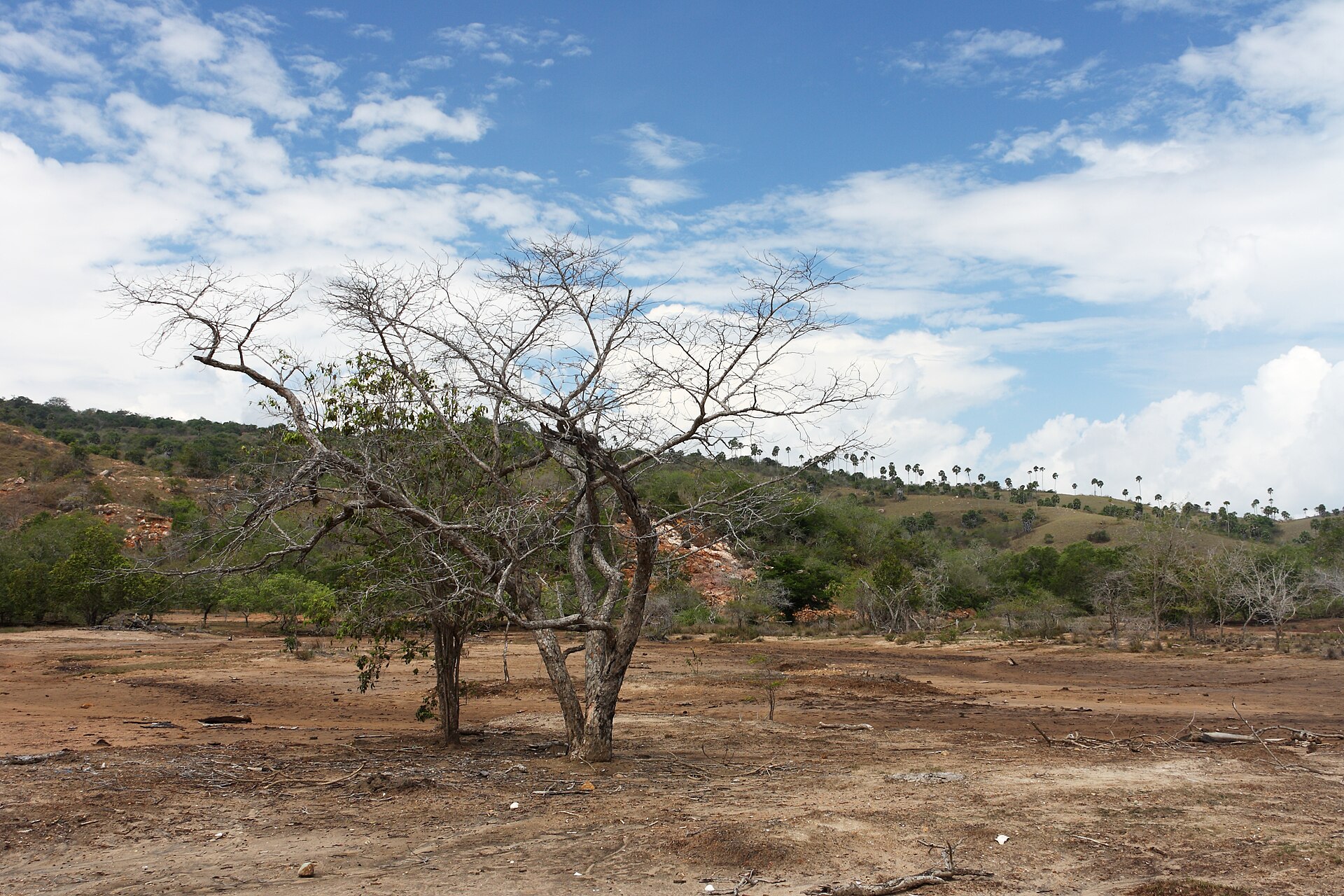
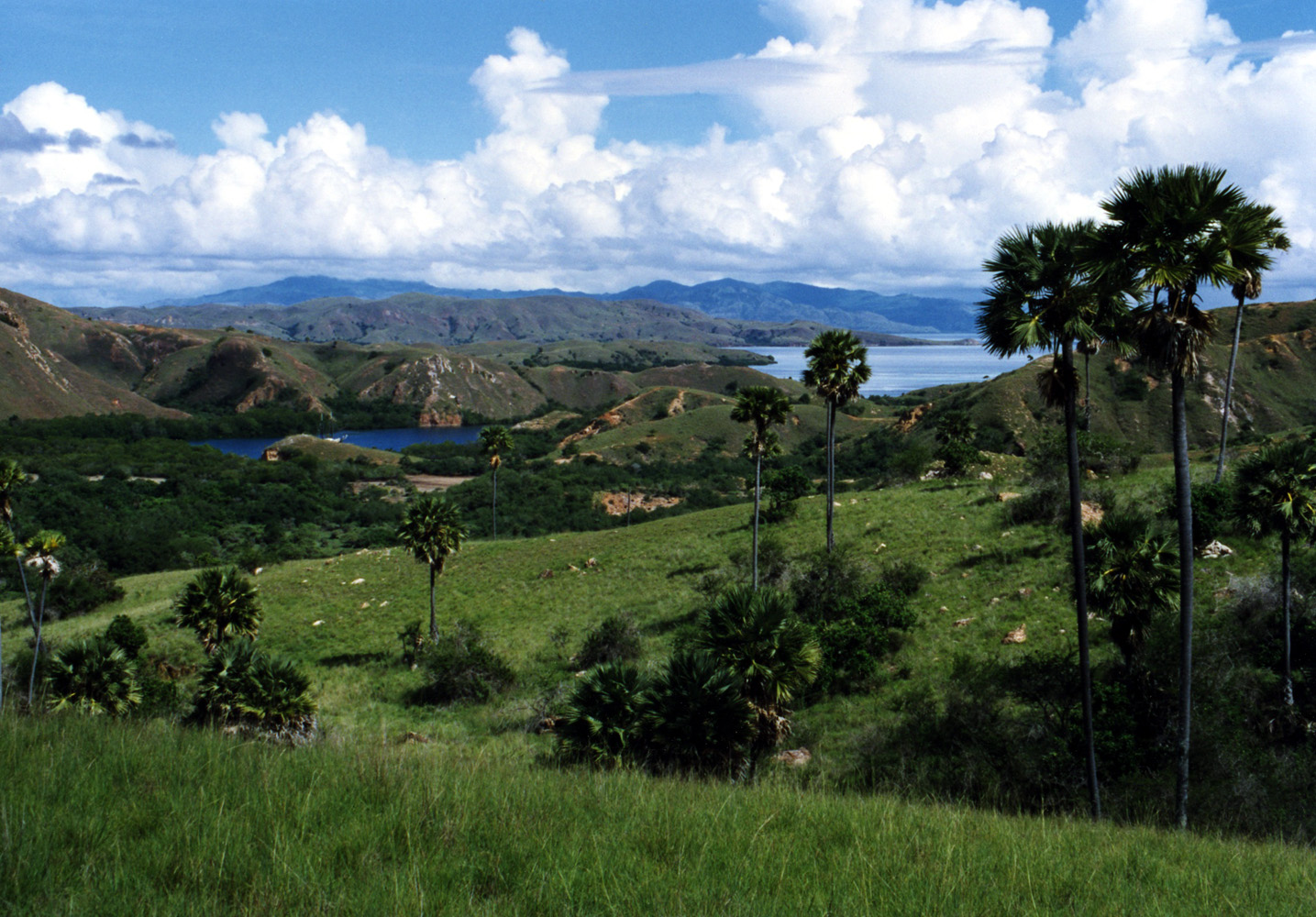
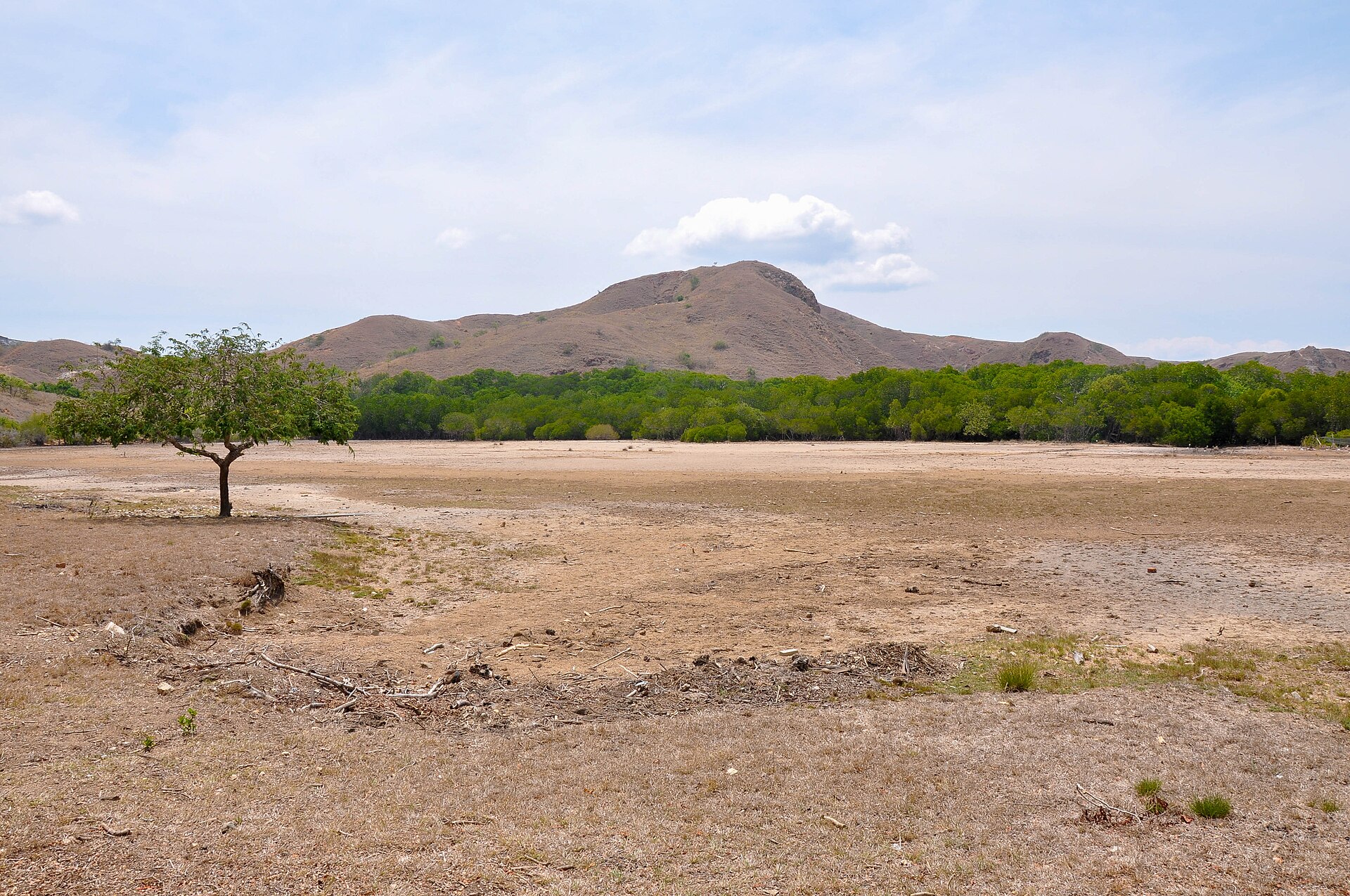
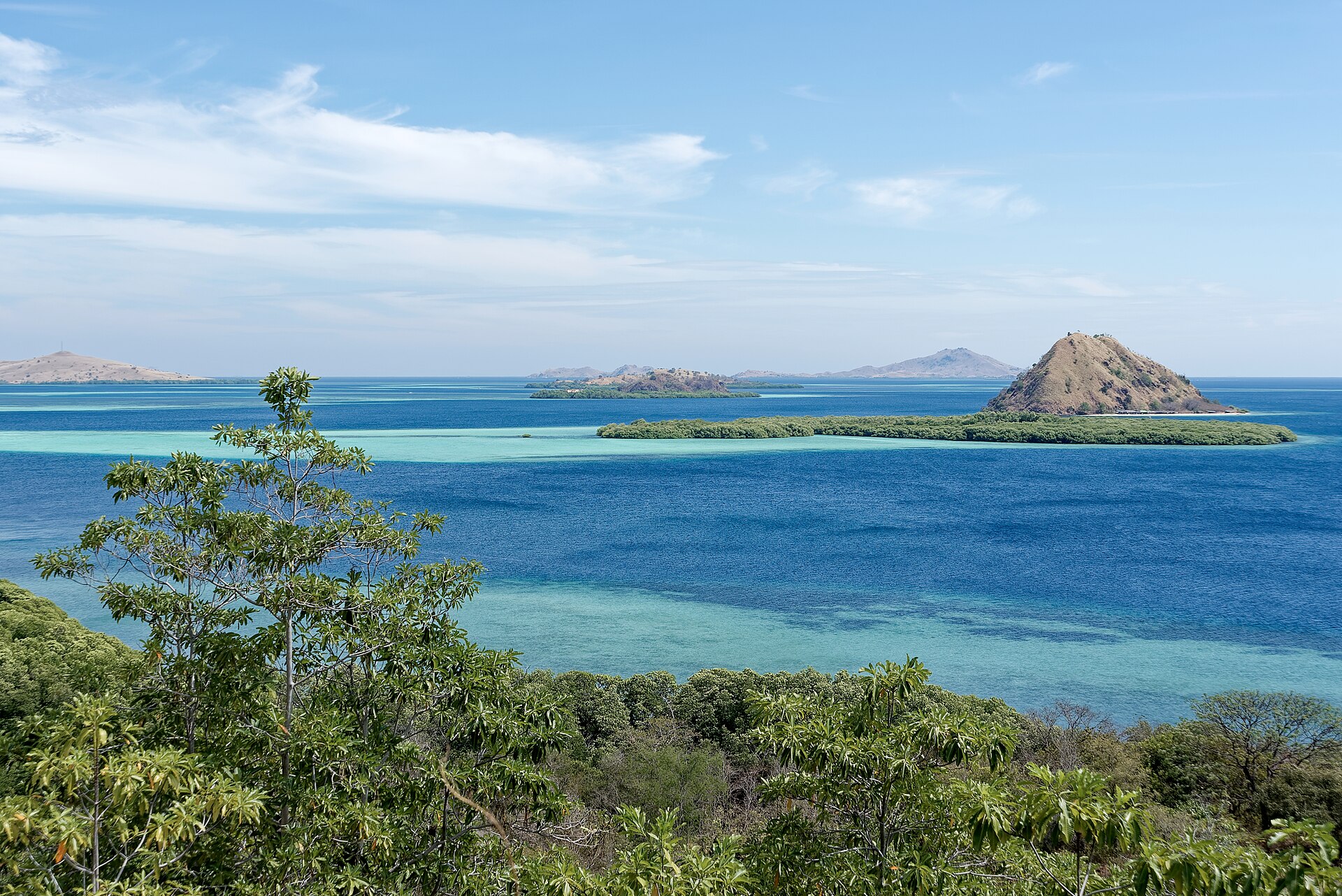
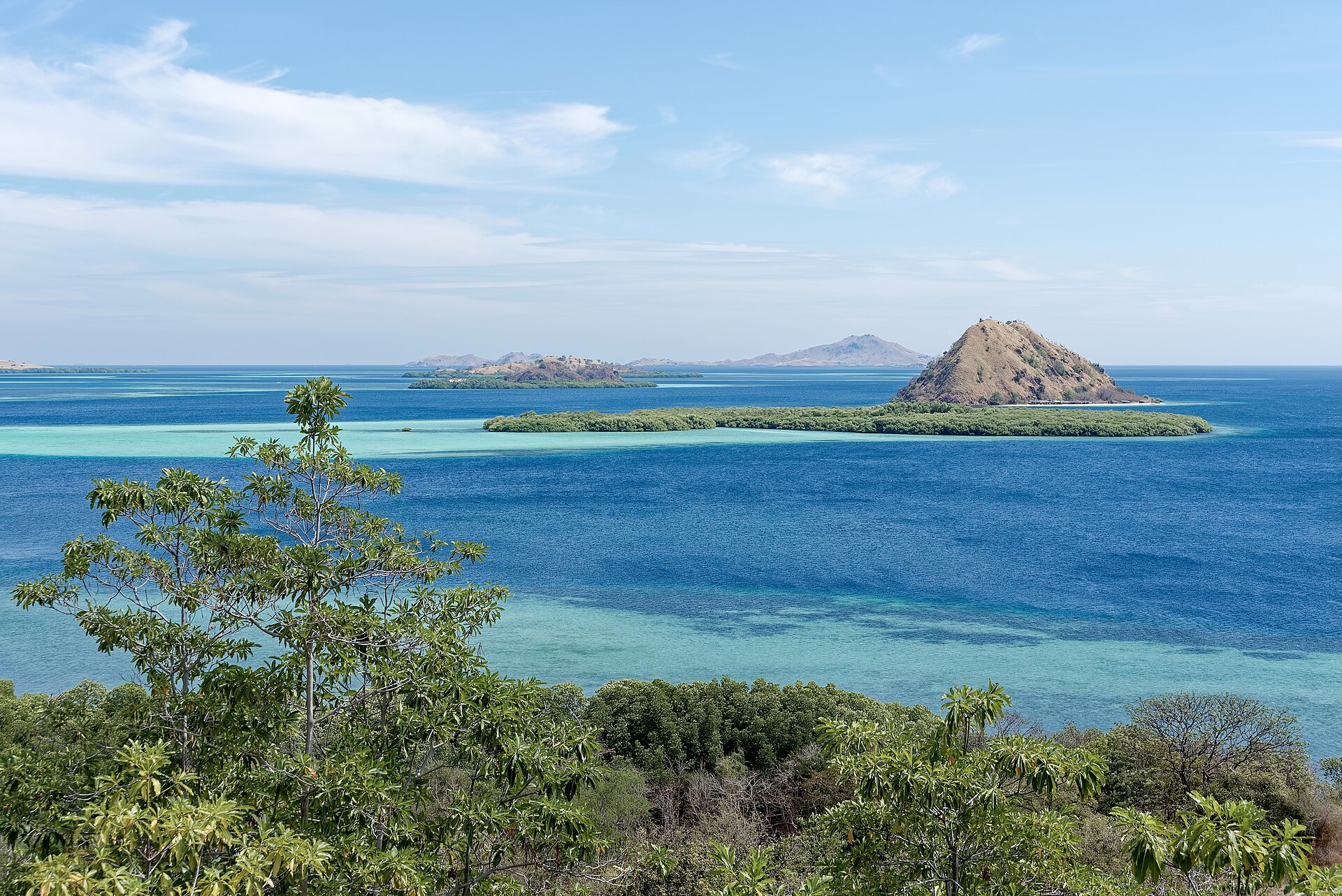
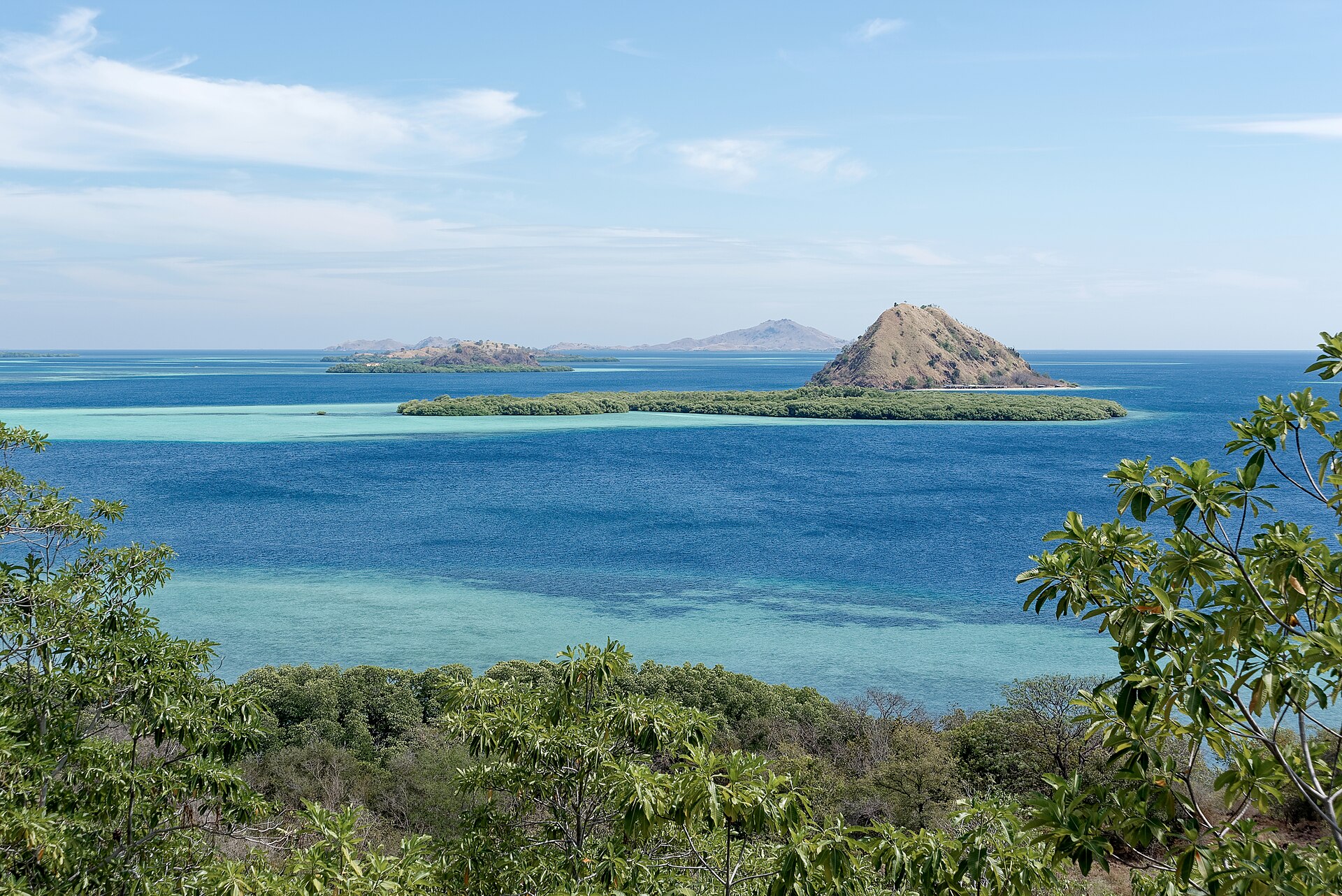
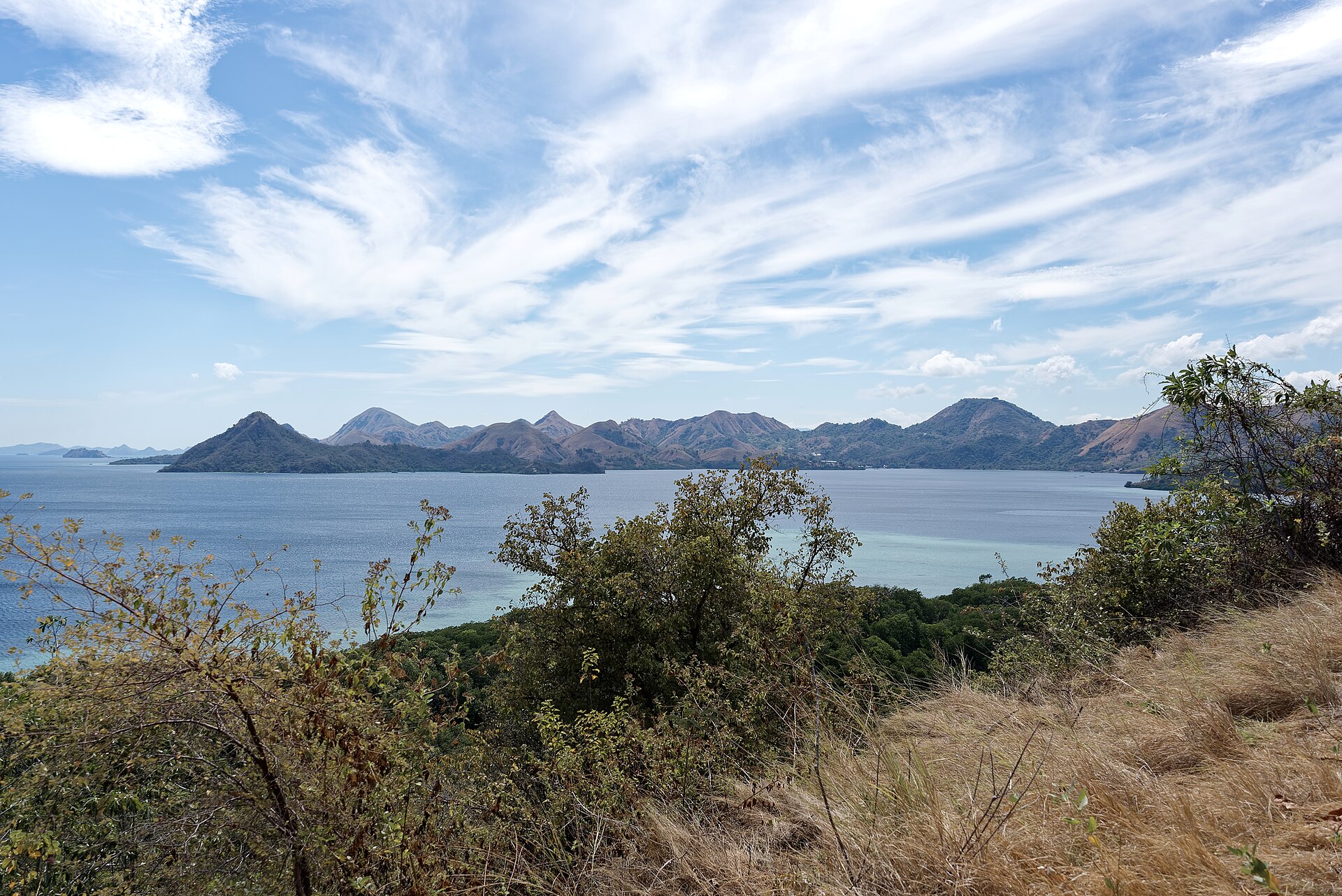
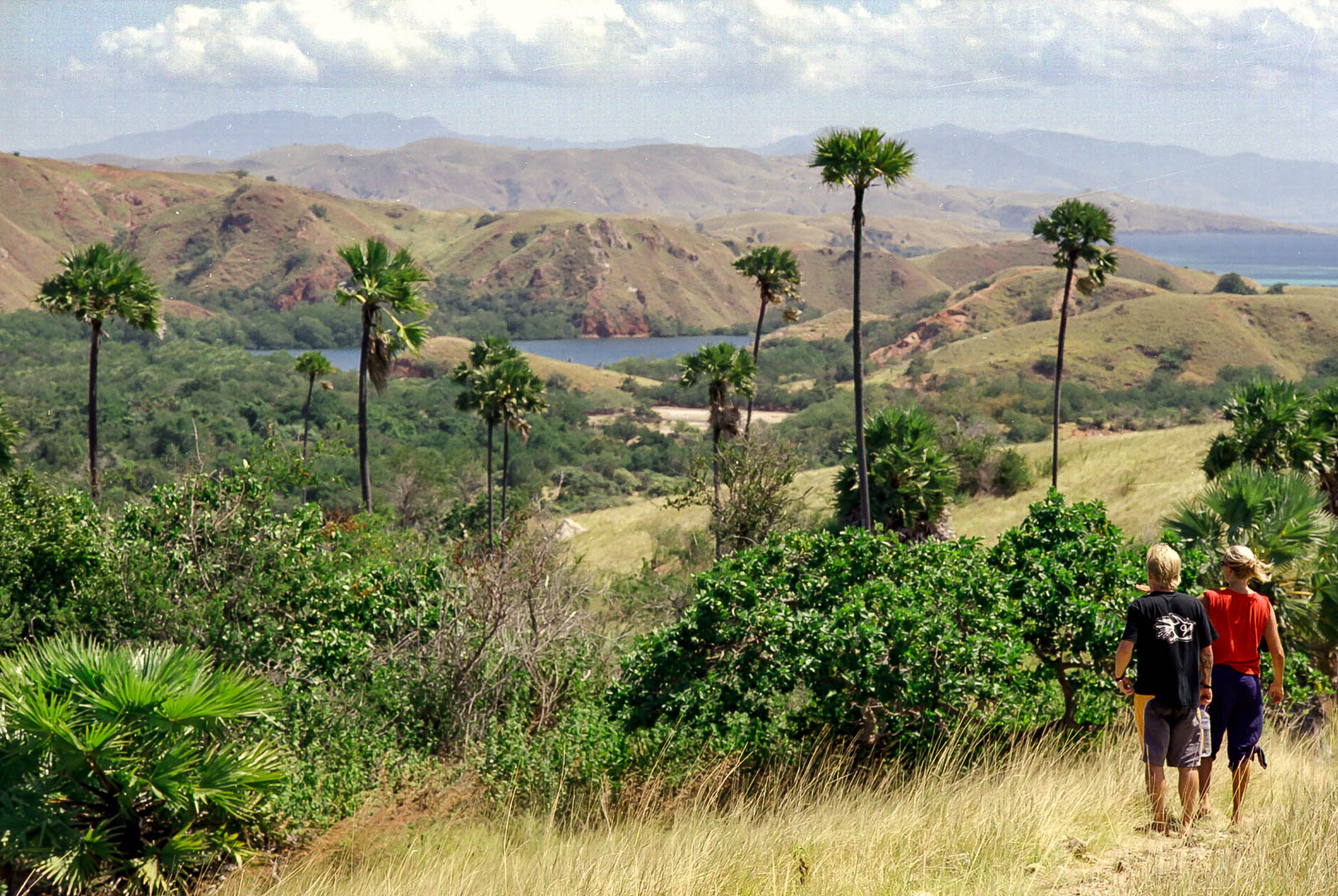
Rinca is the closer of the two to Labuan Bajo, and it is the one most day trips and most dive-plus-dragon combinations use. The landscape is dry savannah and palm rather than the forest people expect — closer to the Jurassic Park comparison than anywhere else in the park.
At a Glance
- Also known asPulau Rinca, Loh Buaya, Rinja Island, Rinca Komodo
- TypeIsland, Wildlife Site, Viewpoint / Trek
- Inside Komodo National ParkYes
- How to get thereLiveaboard, Speedboat Day Trip, Fast Boat
- Travel time from Labuan BajoSources disagree: 45 minutes to 1 hour by speedboat, 2 to 3 hours by wooden phinisi
- LandingJetty
- Last checked2026-08-25
What to Expect
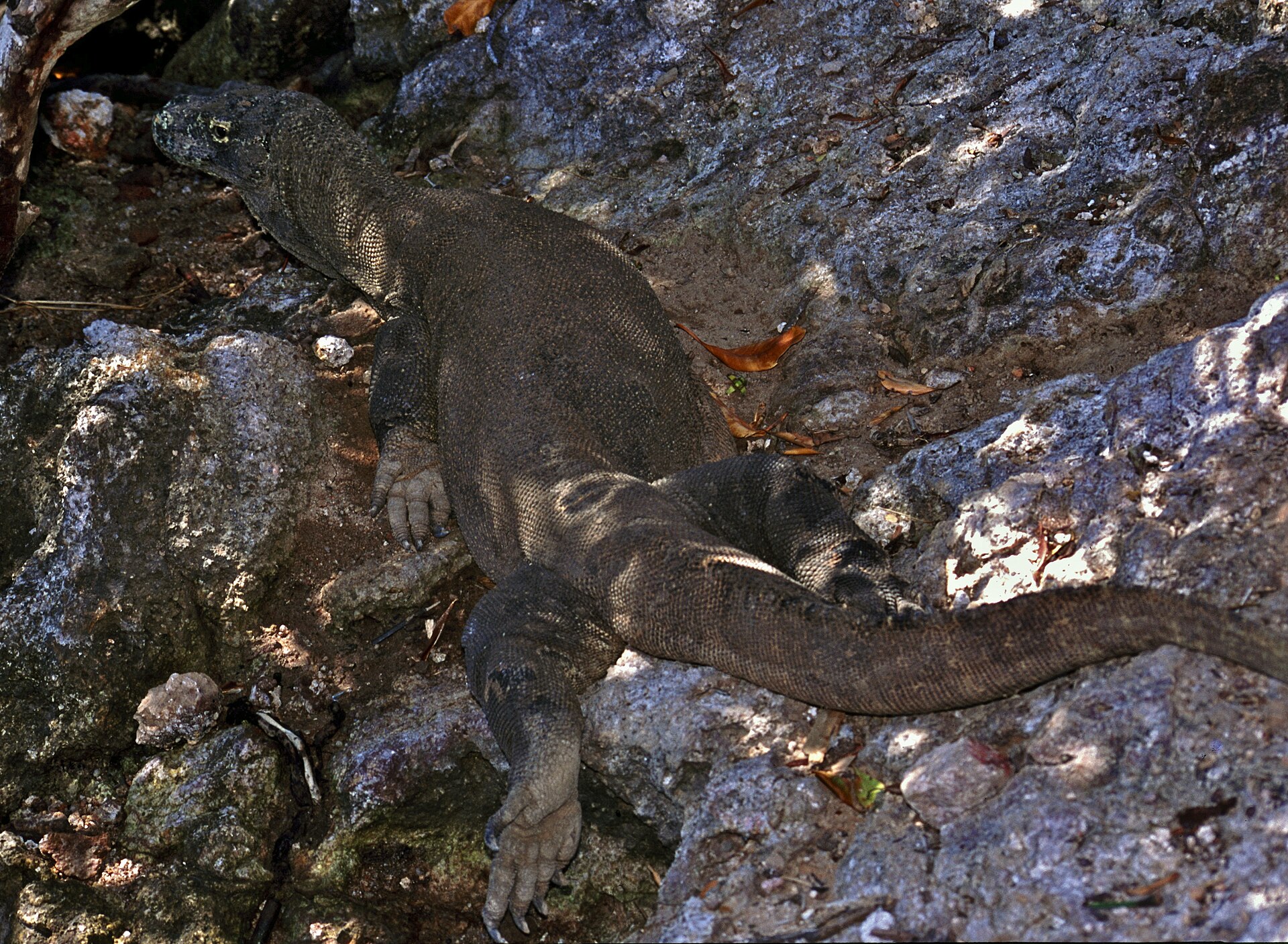
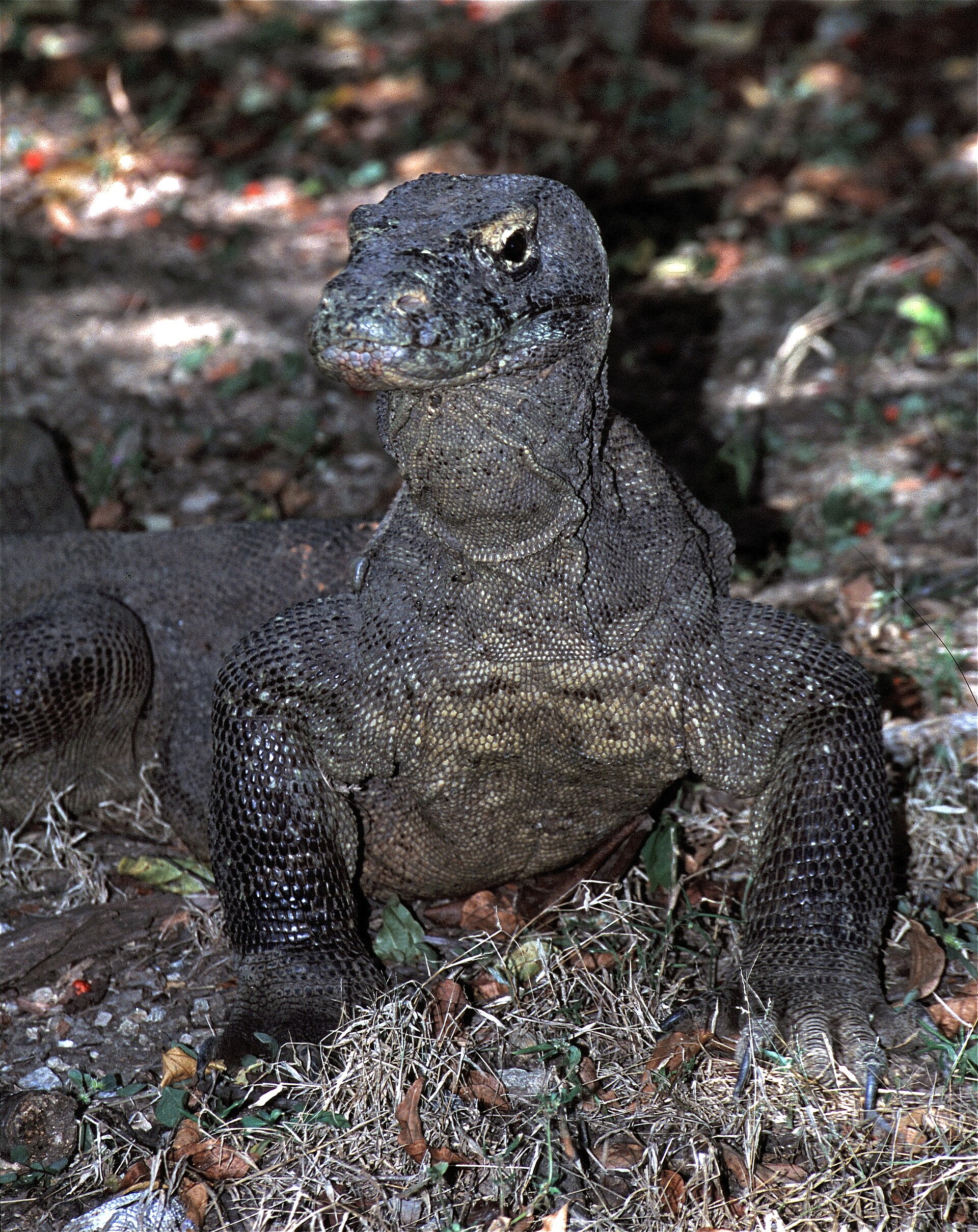
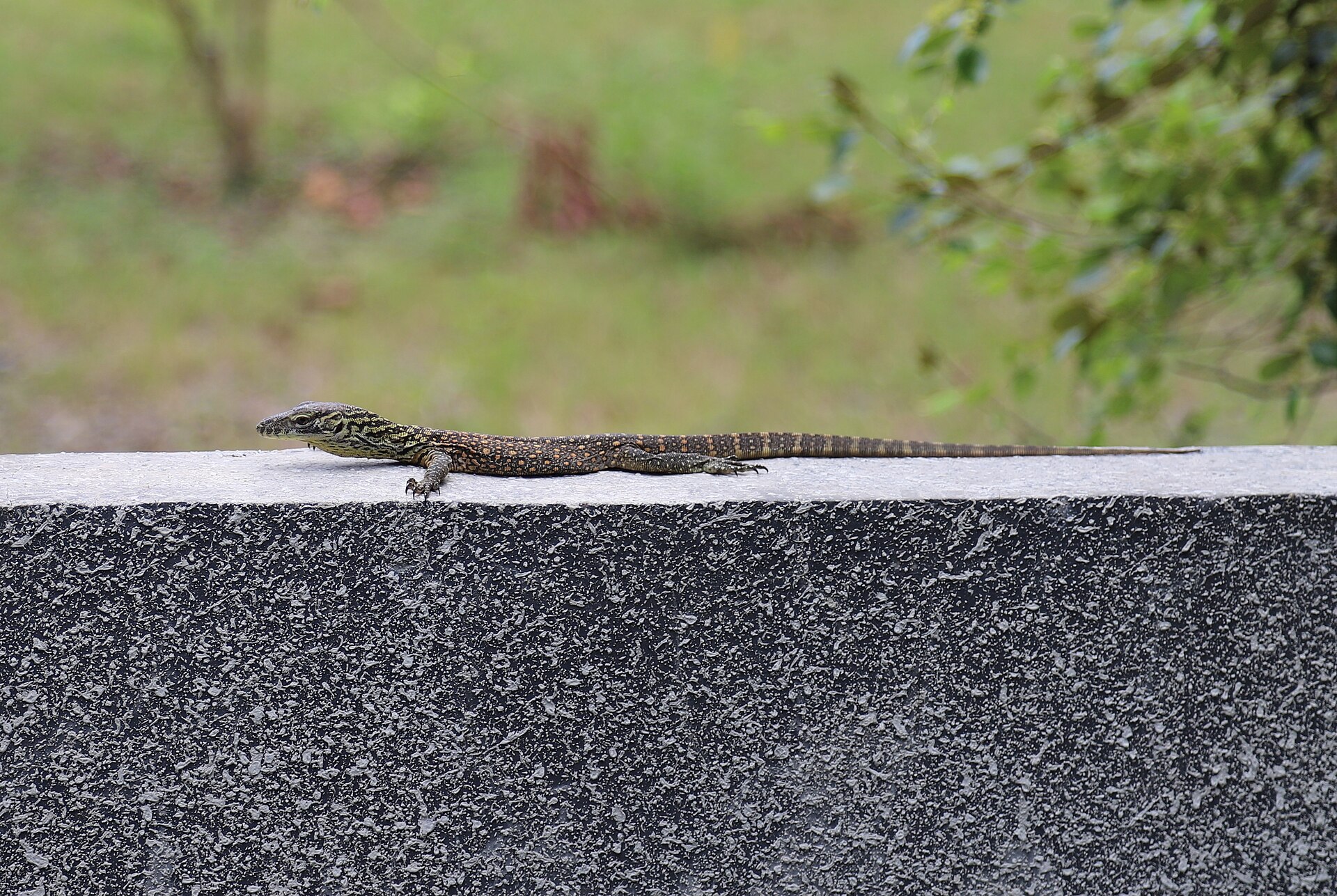
You land at a jetty, walk to the ranger station, get a safety briefing, and set out with a ranger carrying a forked stick. That stick is the entire safety apparatus, and it works because dragon behaviour near the station is well understood, not because the animals are tame.
Three trek lengths are offered, commonly described as roughly 30, 60 and 90 minutes. The short loop stays near the station on easy ground and suits older travellers and families. The medium loop adds open grassland and gentle hills and is the one most groups take. The long route climbs to a ridge with views across the bays and Padar in the distance.
Be careful with the population numbers you will read, though not for the reason usually given. There is a survey behind them: a mark-recapture study by Purwandana and colleagues in Biological Conservation, 2014, which put the park total at roughly 3,000 to 3,400 individuals with Komodo Island ahead of Rinca. The travel-page range for Rinca, anywhere from about 1,100 to about 2,000, is what you get when that work is stripped of its error bars and its date. The figures also count every age class; the IUCN assessment behind the 2021 Endangered listing put mature adults across the whole species at fewer than 1,400. What is consistently reported is density: dragons are more concentrated here relative to the island size, which is why sightings near the station are reliable.
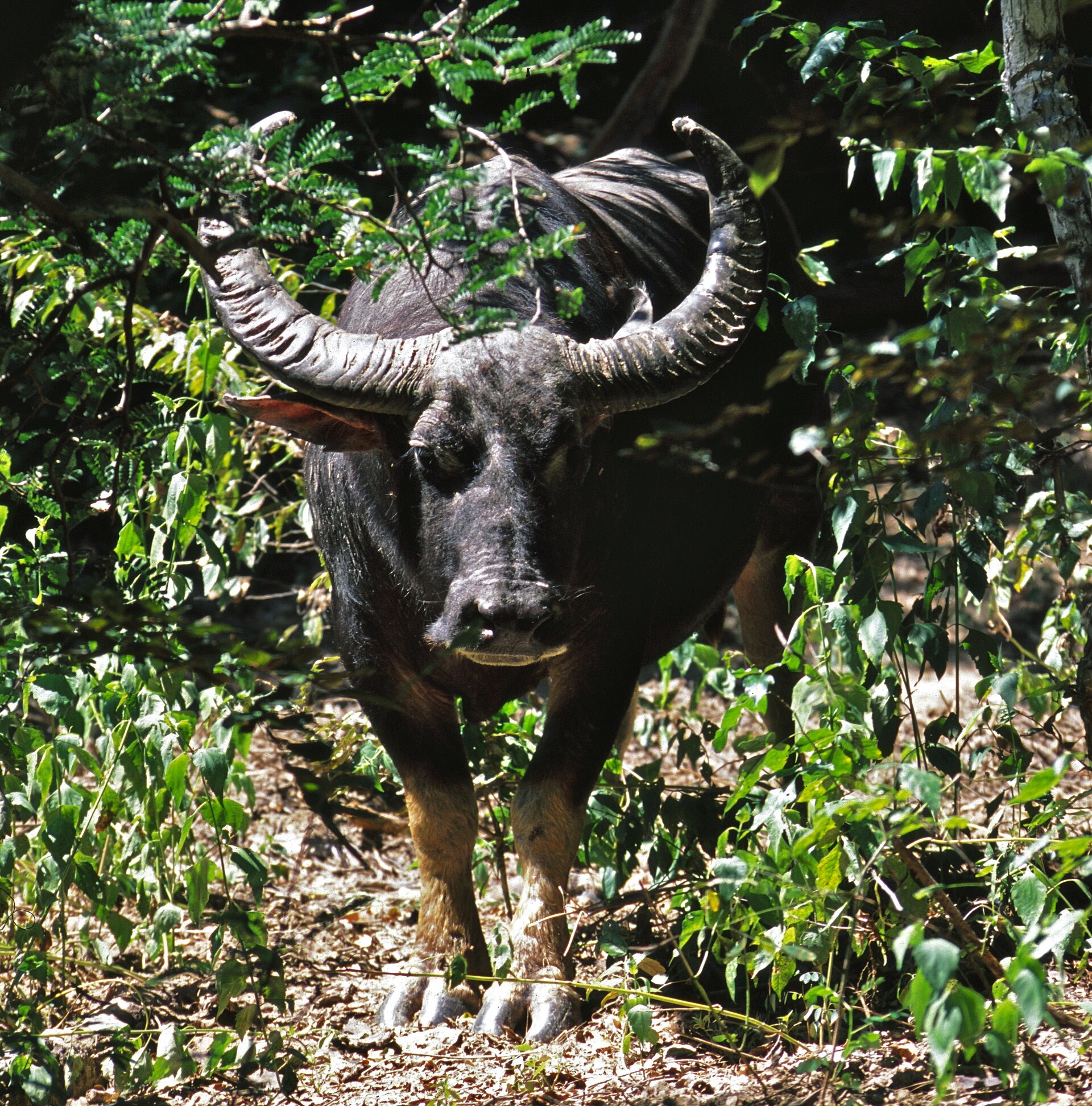
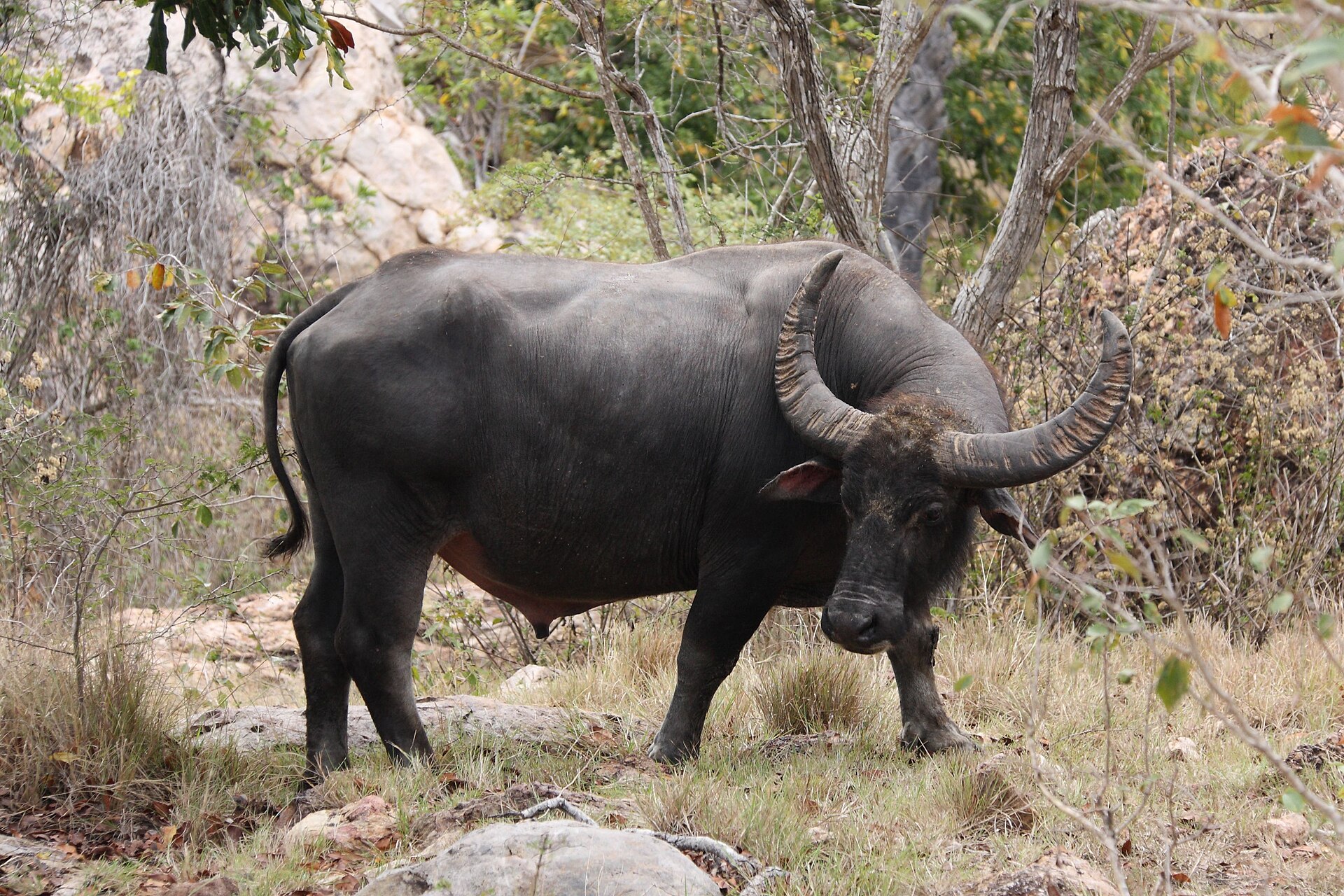
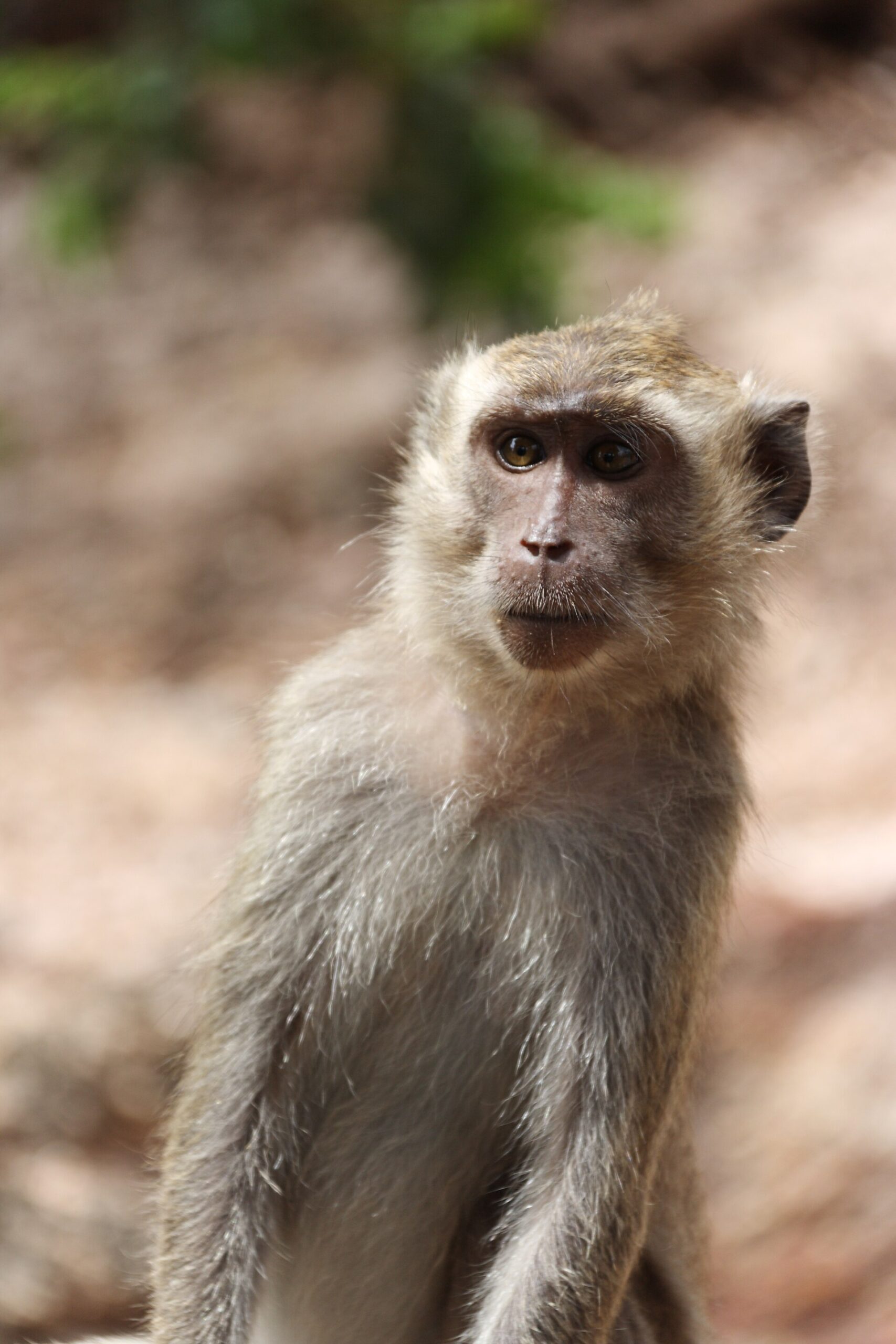
Other wildlife is genuinely part of the visit: water buffalo, deer, wild pigs, long-tailed macaques and yellow-crested cockatoos. Saltwater crocodiles are reported in the mangroves, which is where the bay got its name.
Crowds and Timing
Rinca absorbs the day fleet better than Padar does, because the treks stagger. Boats arrive across a wider window, groups leave the station at intervals, and the three route lengths spread people across different ground.
The 2026 rules change that arithmetic in a way most pages have not caught up with. Park entry now runs against a daily ceiling and in timed sessions rather than all day, so the arrival window is fixed by the reservation and not by the crew. A per-site cap for Loh Buaya of around 150 people a day circulates in operator guides; it does not appear in the regulation itself and conflicts with other published numbers, so read it as an indication of scale rather than as a limit you can book against.
The concentration point is the ranger station itself, where dragons gather near the kitchen area and where every group starts and finishes. That is also where most of the photographs are taken, and it is the part of the visit that draws the harshest reviews — people expecting wilderness find something closer to a managed viewing area.
The honest fix is the longer trek. Higher ground is cooler, quieter, and where sightings feel like tracking rather than queueing. One ranger, asked how often a dragon appears on the trail itself rather than at the station, answered roughly once a fortnight. That is the real distribution, and knowing it before you go is the difference between disappointment and a good morning.
How to Visit
Rinca is a half-day, which is what makes it the default rather than Komodo Island.
Day trip. Usually bundled with Kelor, Manjarite and a Kalong Island bat sunset, or with a Padar sunrise. Crossing times published for the same route disagree sharply — 45 minutes by speedboat at one end, three hours by wooden boat at the other — so confirm the hull, not just the itinerary.
Liveaboard. Vessels anchored in the park take the trek early, before the day boats land, which is both cooler and quieter.
Divers. Rinca is the standard pairing with a diving trip: a dragon morning, then dive days from Labuan Bajo. Komodo Island is the bigger commitment at roughly 2.5 hours each way.
Route context: Komodo National Park and our 3D2N itinerary.
Boats That Sail Here
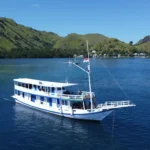
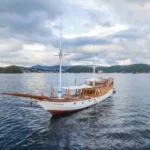
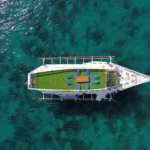
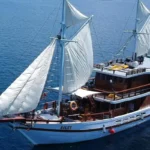
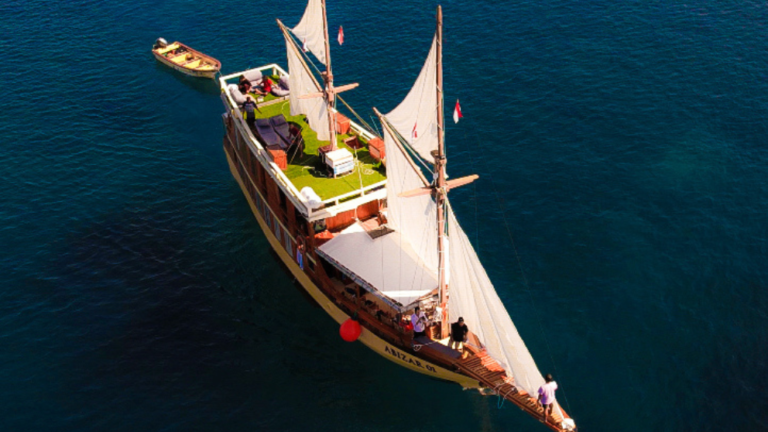
145 boats in our directory call here on their published itineraries, and the 12 with live pages are listed first. The list is generated from those itineraries, so it changes when a route changes rather than when someone remembers to edit this page.

Who This Suits
This is the most accessible wildlife experience in the park. The short trek is flat, shaded in parts and genuinely manageable for older travellers and for children, and the boardwalk built at Loh Buaya has made the arrival easier than it used to be.
It suits anyone short on time: half a day covers it, which leaves the rest of the day for snorkelling or a viewpoint.
It suits photographers less well than they expect. Dragons near the station are habituated and the setting is managed; the wild-looking frames come from the longer trek and from patience.
It does not suit anyone who cannot follow instruction closely, and it does not suit people expecting a zoo-grade guarantee of drama. These are large wild predators being managed, not performing.
What to Bring
- Closed shoes with grip. The ground is uneven, dry and dusty.
- Water and a hat. Shade is partial at best and the savannah holds heat.
- Long sleeves and trousers if you burn or react to insects. Avoid strong perfume.
- No food, at all. Dragons track scent over distance, and carried snacks are the single most common reason a trek goes wrong.
Safety Notes
Komodo dragons are large wild predators with a venomous bite. They can run faster than a person over short distances and they swim well. Every rule below exists because of an incident somewhere.
Stay with your ranger and inside the group. Do not wander off marked trails, do not move suddenly, and keep the distance you are told to keep. Rangers carry forked sticks and know the individual animals near the station; that knowledge is the safety system.
Carry no food and no strongly scented items. Visitors who are menstruating are asked to declare it to the rangers so the group can be managed accordingly — dragons detect blood at distance.
Water buffalo are also present and are more unpredictable around people than the dragons are. There is no medical facility on the island; the nearest is in Labuan Bajo.
Photography Notes
Loh Buaya gives you the closest and easiest dragon photographs in the park, and the least flattering context for them. Around the station the animals are habituated, the light is good early, and the background is a working ranger post: buildings, groups, other cameras. Frame tight and low, or show the setting honestly rather than cropping it out and calling it wilderness.
The medium and long routes are where the island itself becomes the subject. Dry savannah, lontar palms and bleached grass under a hard sky is a specific look, and it is the reason people reach for the film-set comparison. The ridge on the long route opens onto the bays with Padar on the horizon, and that is the one frame here worth carrying a wide lens for.
Two practical notes. Dragons on the trail are rare enough that a long lens is insurance rather than a plan; what actually fills a card is the surrounding wildlife — buffalo, deer, macaques, cockatoos. And drone permits inside the park are separate, expensive and arranged well in advance.
Entrance Fee
Rinca sits inside Komodo National Park. Statutory entrance is charged per person, per day—not per visit. Access uses SiOra e-ticketing and cashless payment; reserve before travel, preferably by H-1. A 1,000-visitor daily quota has applied since 1 April 2026 to the main visitor islands and 23 dive sites.
Ranger escort is an operational requirement for the trek, but the statutory fee schedule does not establish one universal extra ranger charge for every visitor. Ask the operator to identify any site or guiding-service line separately. The verified statutory table, legal basis and source date appear in What the Park Costs below.
Frequently Asked Questions
Rinca or Komodo Island for seeing dragons?
Rinca, for most people. It is closer to Labuan Bajo — published crossings run from 45 minutes by speedboat to about three hours by wooden boat, against roughly 2.5 to 4 hours for Komodo Island — and the trek is a half day rather than a full one. Sightings near the Loh Buaya station are reliable. Komodo Island has the larger dragon population and a more substantial trek; take it if you are dedicating the whole day to wildlife.
How many Komodo dragons live on Rinca?
Published figures run from about 1,100 to about 2,000, and sources contradict each other on whether Rinca or Komodo Island holds more. The disagreement is real, but the usual explanation for it is wrong: there is a survey. Purwandana and colleagues, Biological Conservation, 2014, used mark-recapture across the park islands and put the total at roughly 3,000 to 3,400 with Komodo ahead of Rinca. A 2010 count attributed to a Loh Buaya ranger gave about 1,100 here against 1,300 on Komodo.
Two things almost no page mentions. Those totals count hatchlings and juveniles as well as adults, and the IUCN assessment behind the 2021 Endangered listing put mature adults across the entire species at fewer than 1,400, with no subpopulation holding more than 500. And park-wide counts reported through the UNESCO monitoring process have risen from 2,897 in 2018 to 3,396 in 2023, so Rinca and Komodo are stable to slightly increasing even as the Flores populations contract.
What holds regardless of the number is density: sightings near the ranger station are reliable year-round.
How long is the trek, and how hard?
Three options, commonly given as about 30, 60 and 90 minutes. The short loop stays near the ranger station on easy, partly shaded ground. The medium loop crosses open grassland with gentle hills and is the most popular. The long route climbs to a ridge with views over the bays. None involves scrambling; heat is the limiting factor, not gradient.
Are dragon sightings guaranteed?
Near the ranger station, effectively yes — dragons gather there and sightings are reliable year-round. Out on the trail is a different matter: one ranger, asked how often a dragon appears on the trail itself, said roughly once every two weeks. If your expectation is tracking a predator through wilderness, adjust it. If it is seeing a Komodo dragon at close range with a ranger between you, that is what this is.
Can I visit Rinca without a ranger?
No. Ranger escort is required on the sanctioned treks at Rinca and Komodo Island. Reserve park access through SiOra before travel; Ministry guidance recommends H-1.
The statutory schedule charges entrance per person, per day and separately lists applicable activity, vessel and special-use charges. It does not establish one universal extra ranger charge for every visitor. Ask the operator to identify any site or guiding-service line on the itemised total. The verified figures and source date appear in What the Park Costs on this page.
Is Pink Beach on Rinca Island?
No, and the confusion is common enough that several review sites repeat it. Pantai Merah — the Pink Beach that appears on every Komodo itinerary — is on Komodo Island’s eastern coast, not Rinca. Padar has its own lighter pink stretch. Rinca has small beaches, but they are not the pink one, and dragons do sunbathe on them.
What other wildlife is on Rinca?
More than people expect, and it is a genuine reason to take the longer trek. Water buffalo, Timor deer, wild pigs, long-tailed macaques and yellow-crested cockatoos are all regularly seen. Saltwater crocodiles are reported in the mangroves — Loh Buaya translates as crocodile bay, which is not decorative. The buffalo are more unpredictable around visitors than the dragons.
What is the best time of day to visit Rinca?
Early morning, for two reasons that reinforce each other. Dragons are more active before the heat builds, and the savannah offers very little shade once the sun is up. Boats leaving Labuan Bajo at dawn land at Loh Buaya in the cooler part of the morning; liveaboards already anchored in the park can go earlier still and be back aboard before the day fleet arrives.
What the Park Costs
| What you pay | Amount | Basis |
|---|---|---|
| Park entrance, foreign visitor | Rp 250,000 ≈ $14 | per person, per day The statutory Class I entrance rate. The 150% holiday rule applies to Indonesian visitor and student rates, not this foreign visitor rate. |
| Park entrance, Indonesian visitor, normal day | Rp 50,000 ≈ $3 | per person, per day The normal-day Class I entrance rate. |
| Park entrance, Indonesian visitor, holiday or collective leave | Rp 75,000 ≈ $4 | per person, per day 150% of the normal Indonesian visitor rate on the dates covered by the statutory holiday rule. |
| Indonesian student group, normal day | Rp 25,000 ≈ $1 | per person, per day For Indonesian student groups of at least five people. |
| Indonesian student group, holiday or collective leave | Rp 37,500 ≈ $2 | per person, per day 150% of the normal student-group rate; the minimum group size remains five. |
| Scuba diving activity | Rp 25,000 ≈ $1 | per diver, per day A separate activity charge in addition to the applicable entrance fee. |
| Motorised vessel entry | Rp 100,000–200,000 per boat, per day | Rp 100,000 for 40–100 HP, Rp 150,000 for 101–500 HP, and Rp 200,000 above 500 HP. |
| Drone use | Rp 2,000,000 ≈ $112 | per unit, per day A separate special-use charge. Complete the required SiOra/SIMAKSI process before travel. |
- SiOra is the park’s e-ticketing and SIMAKSI system. Reserve before travel; Ministry guidance recommends completing the reservation by H-1. An operator can assist, and self-service is available at the Komodo Visitor Center and KP3 terminal.
- Payment is cashless through the methods available in SiOra, including BRIVA or bank transfer and supported e-wallets. Keep the e-ticket and ensure the traveller details are correct.
- A 1,000-visitor daily quota has applied since 1 April 2026 to the main visitor islands and 23 dive sites. Availability therefore depends on the travel date and registered itinerary.
- The final SiOra total can include entrance, activity, vessel and special-use charges. Ask the handling operator for an itemised total before issuance.
- Official public guidance does not state one universal refund or rescheduling rule for every reservation. Confirm the current SiOra terms in writing before the ticket is issued, including treatment of weather disruption.
Statutory fees under Peraturan Pemerintah No. 36 Tahun 2024, in force since 30 October 2024. Verified 31 August 2026 against the official PP 36/2024 schedule, the Ministry of Forestry SiOra notice and the Ministry’s 2026 quota notice. Amounts are payable in rupiah; dollar figures are courtesy estimates converted at Rp 17,900 and rounded.
Activities
Cruise Areas
Location
Rinca Island, Komodo National Park, East Nusa Tenggara, Indonesia



Add a review