
About This Place
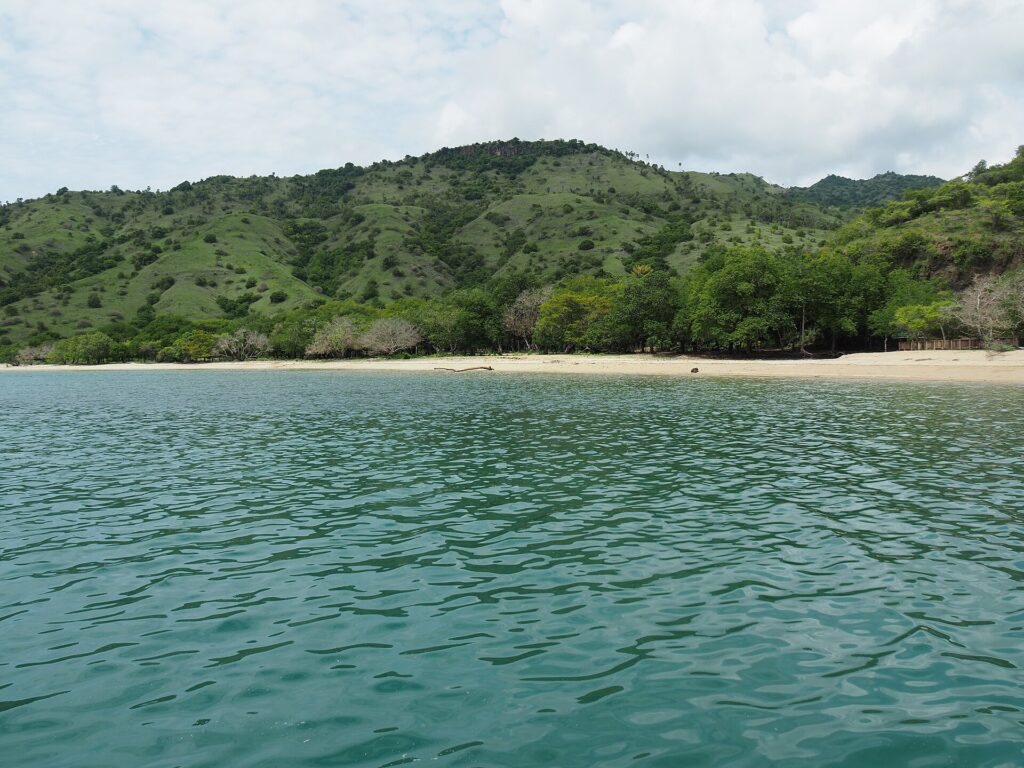
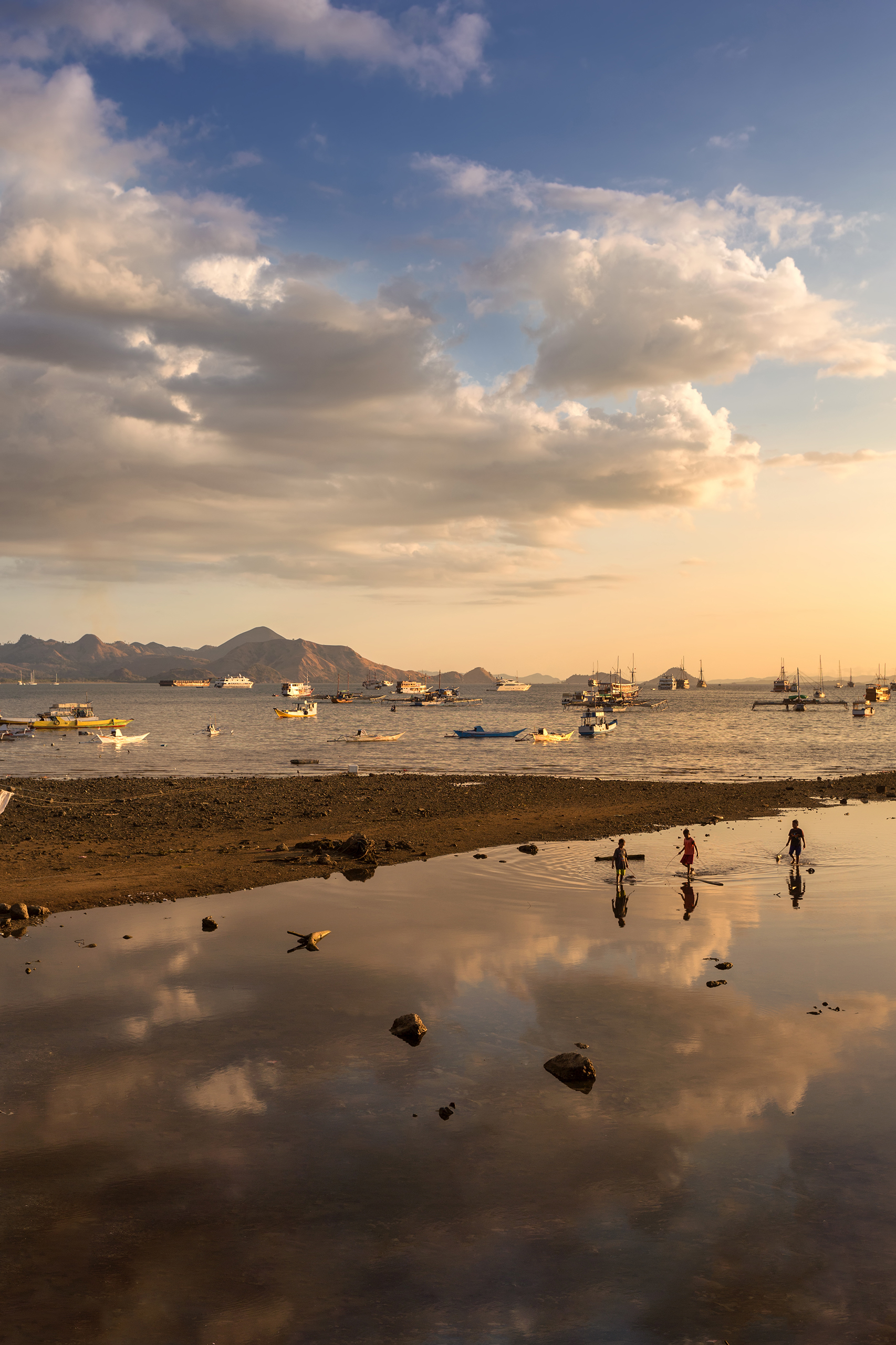
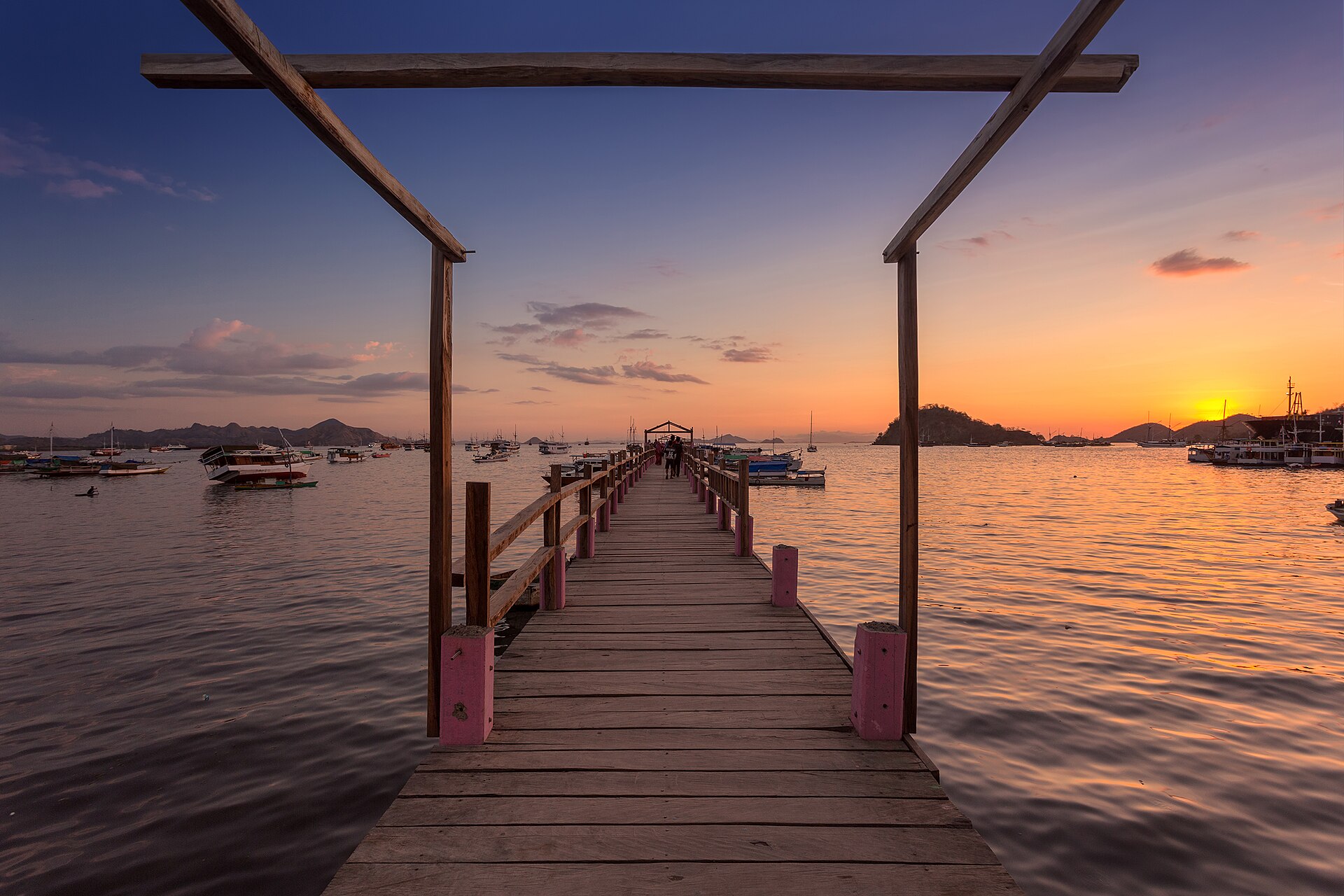
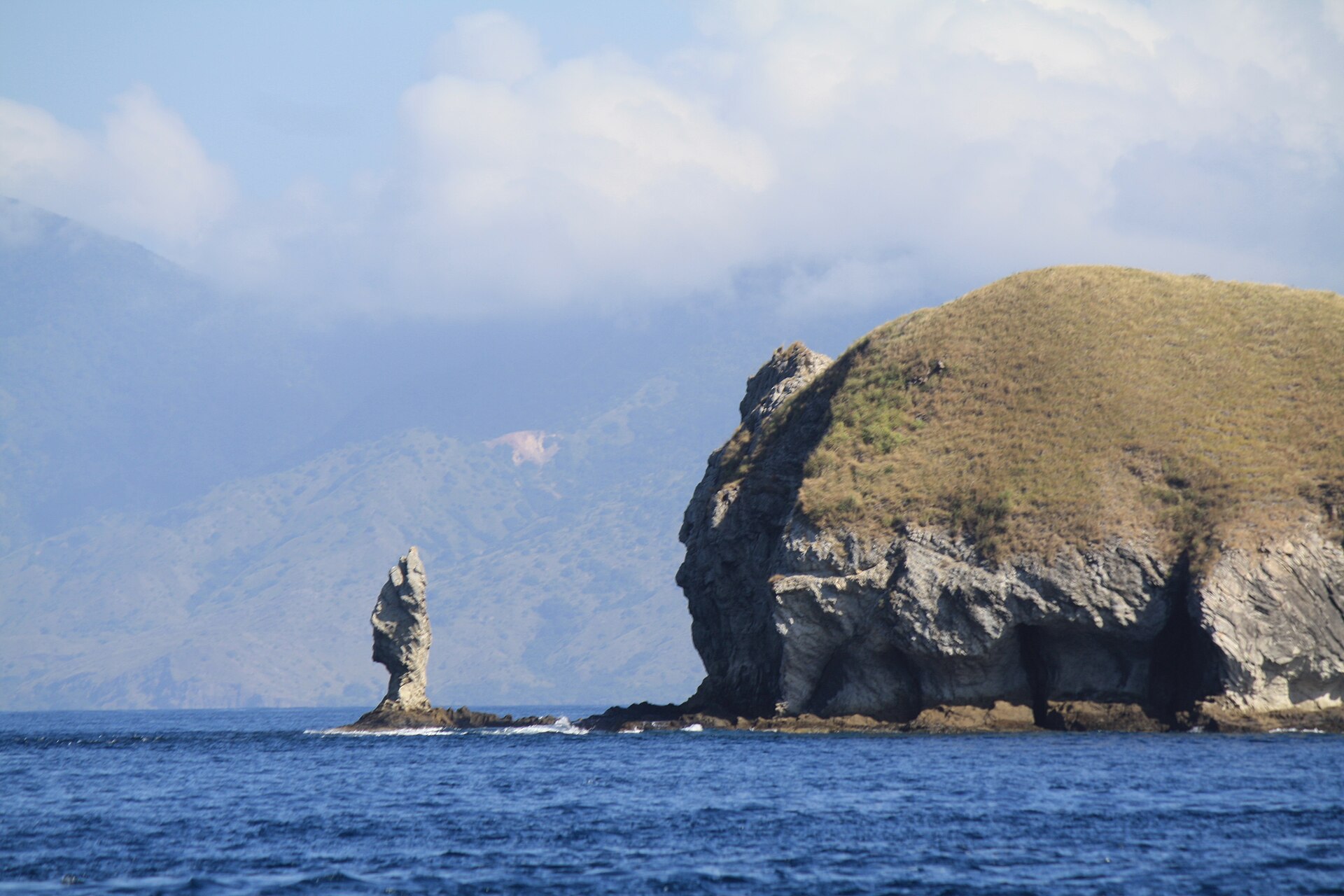
Komodo National Park is a UNESCO World Heritage Site covering three major islands — Komodo, Rinca and Padar — plus dozens of smaller ones, sitting in the strait between Sumbawa and Flores. Labuan Bajo on the western tip of Flores is the gateway, and effectively the only one.
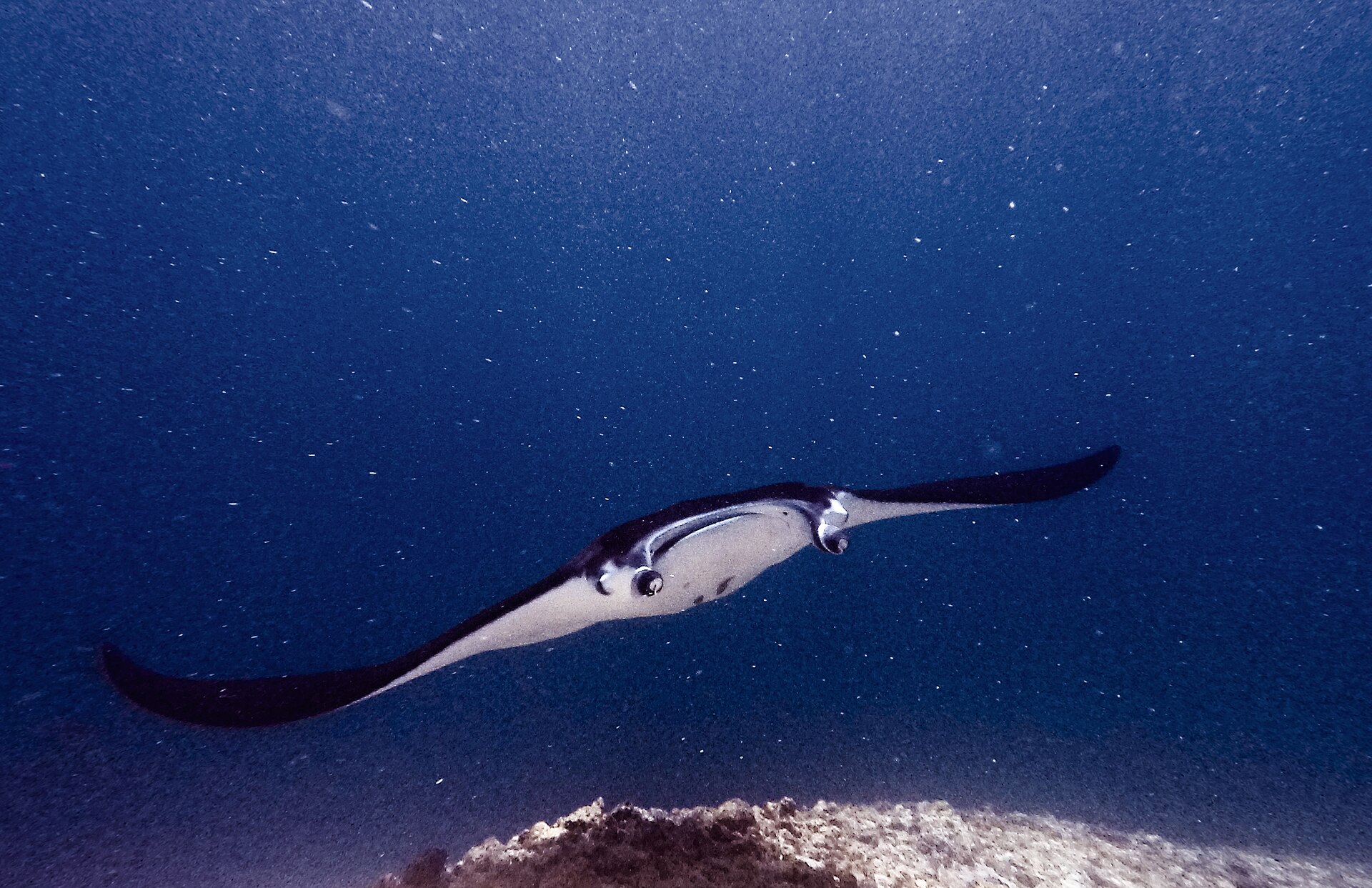
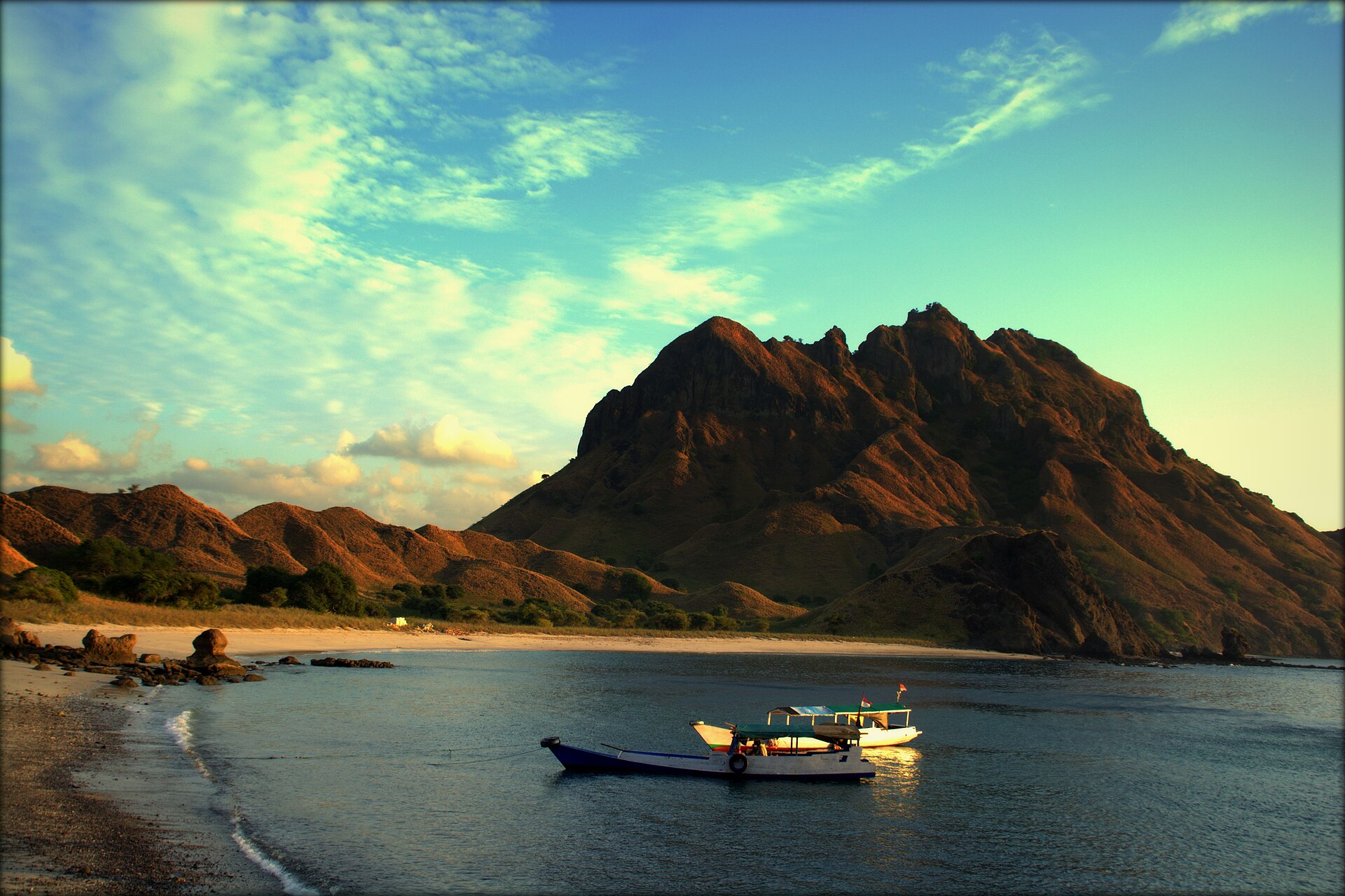
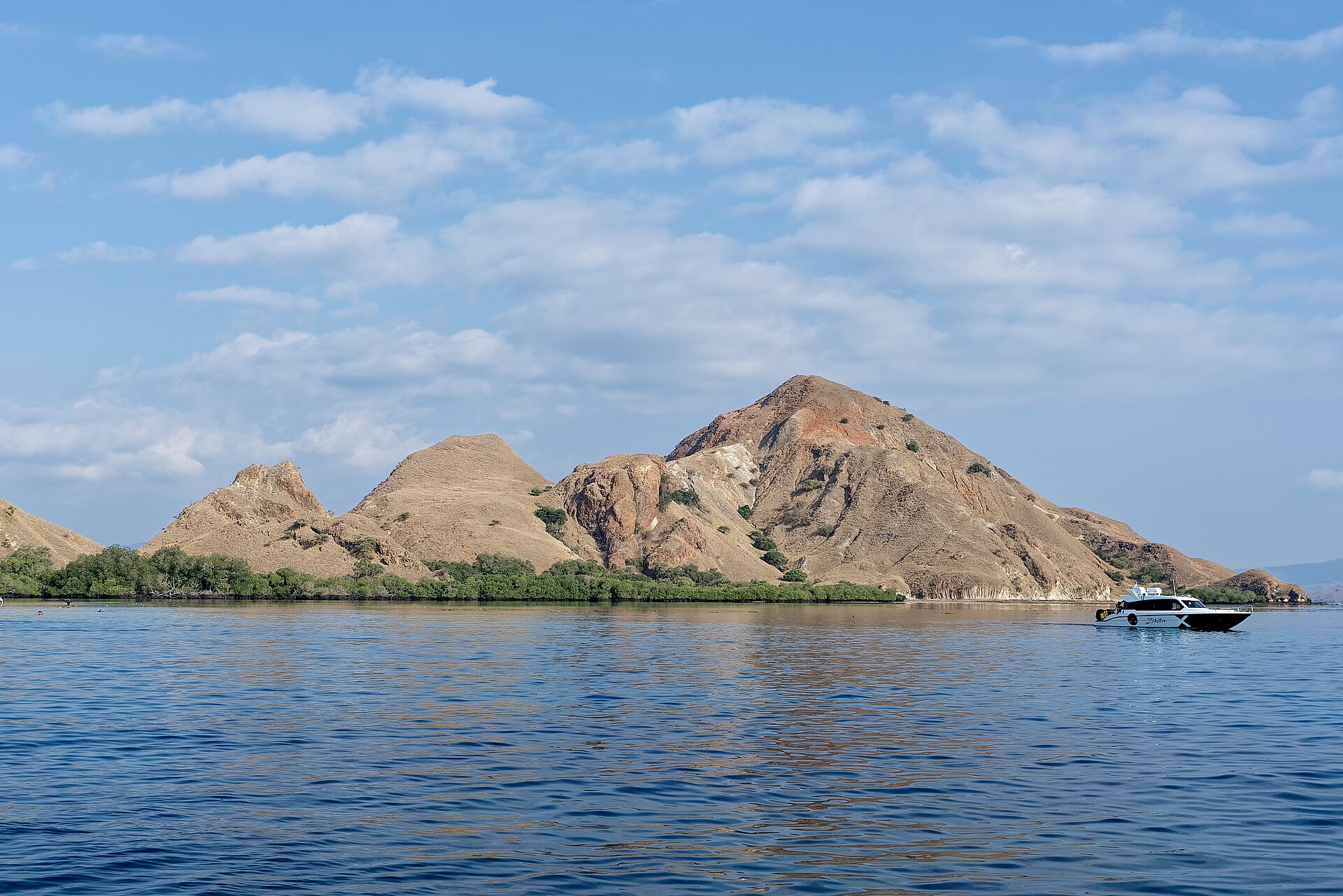
Two reputations run in parallel here and they rarely overlap in the same traveller. Above water it is dragons and savannah ridgelines. Below it is one of the most current-driven, nutrient-rich reef systems in the Coral Triangle, with resident manta populations and water cold enough in the south to surprise people who packed for the tropics.
Almost nobody visits the park itself. People visit four or five specific points inside it, on a schedule set by boats. This page covers what is common to all of them — zones, access, fees, timing — and links out to each stop.
At a Glance
- Also known asTaman Nasional Komodo, TN Komodo, Komodo NP, Komodo Park
- TypeNational Park
- Inside Komodo National ParkYes
- How to get thereLiveaboard, Speedboat Day Trip, Fast Boat
- Travel time from Labuan BajoPark boundary about 1 hour by speedboat; 2-4 hours by wooden phinisi depending on the stop
- Last checked2026-08-25
What to Expect
The park splits into three working zones, and knowing which one an itinerary covers tells you more than the day count does.
Central. Where nearly every standard itinerary lives. Padar, Pink Beach, Komodo Island, and the manta channel at Karang Makassar all sit within a short run of each other. Warm water, moderate current, and the highest boat density in the park.
North. Gili Lawa, Castle Rock, Crystal Rock, The Cauldron. Faster current, more pelagic fish, and dive sites that expect experience rather than certification alone. Usually reached on 4D3N and longer.
South. Manta Alley, Cannibal Rock, Yellow Wall. Open to the Indian Ocean, which means upwelling: water can drop to the low twenties Celsius at depth in the dry season, and visibility trades against plankton. Rarely on a day trip, and weather-dependent even on a liveaboard.
What none of the zones have is infrastructure. There are no roads, no shops, no restaurants and no accommodation inside the park — two ranger stations, some jetties, and otherwise nothing. Whatever you need for the day arrives on the boat with you, including drinking water and anything medical. That is also why the park closes to you at the pace of a hull rather than a schedule you set: a stop is reachable or it is not, and the crossing decides.
Crowds and Timing
Crowding in Komodo is not evenly distributed — it is a scheduling artefact. The speedboat fleet leaves Labuan Bajo within the same ninety-minute window, hits Padar at sunrise, and then moves through Pink Beach and a dragon trek in roughly the same order. Follow that convoy and you meet it at every stop.
Two things break the pattern. Sleeping inside the park detaches you from the departure window entirely, which is what buys sunset on Padar and an empty Pink Beach at first light. And the sites themselves absorb pressure differently: Karang Makassar is three kilometres long and swallows a dozen boats, while Pink Beach is a two-hundred-metre cove that does not.
Since 2026 the park has run daily visitor quotas through an online booking system, which has thinned the worst of it without changing the underlying rhythm.
How to Visit
Everything starts in Labuan Bajo, and the choice is really about how many hours you control.
Speedboat day trip. Twelve to fourteen hours, three or four stops, back before dark. The cheapest way in and genuinely enough to see the headline sights, at the cost of arriving everywhere when everyone else does.
Liveaboard. Two to four nights at anchor inside the park. You get the early and late windows nobody on a day trip can reach, and access to the north and south zones that day boats cannot practically reach at all.
Dedicated dive day boat. Three dives, central sites, home the same evening. Better than a general day trip if the water is why you came.
Our two standard routes: Komodo Tour 3 Days 2 Nights and Komodo Tour 4 Days 3 Nights.
Boats That Sail Here
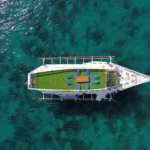
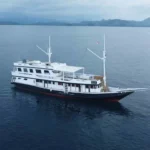
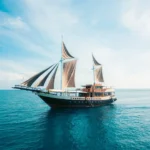
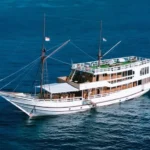
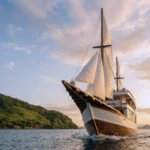
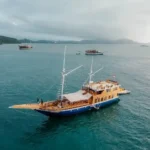
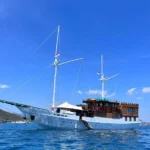
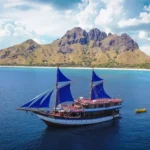
117 boats in our directory call here on their published itineraries, and the 12 with live pages are listed first. The list is generated from those itineraries, so it changes when a route changes rather than when someone remembers to edit this page.

Who This Suits
The park rewards two quite different travellers and is honest with neither if they arrive expecting the other.
If you are here for landscape, wildlife and photographs, the central zone on a two-to-three day boat covers almost everything you have seen in pictures, and the only real fitness requirement is the Padar staircase.
If you are here for the diving, the central sites are Open Water territory but the north and south are not. Current is the defining variable in this park, not depth, and the sites that make Komodo famous among divers expect people who are comfortable in moving water.
Families do well on day trips and on the central zone. It suits nobody who needs a fixed schedule — weather reroutes itineraries here regularly, and the south is the first thing dropped.
What to Bring
- More water than you expect. There is nothing to buy at most stops and no shade on any of the treks.
- Closed shoes with grip for the ridges and ranger treks; reef-safe sun protection and a hat throughout.
- A 3mm wetsuit at minimum if you are diving, and thicker if the south is on the itinerary — dry-season upwelling drops water temperature well below what the latitude suggests.
- Cash. Card acceptance inside the park is close to nonexistent.
- Motion sickness medication. Crossings between zones are exposed and the swell builds through the afternoon.
Safety Notes
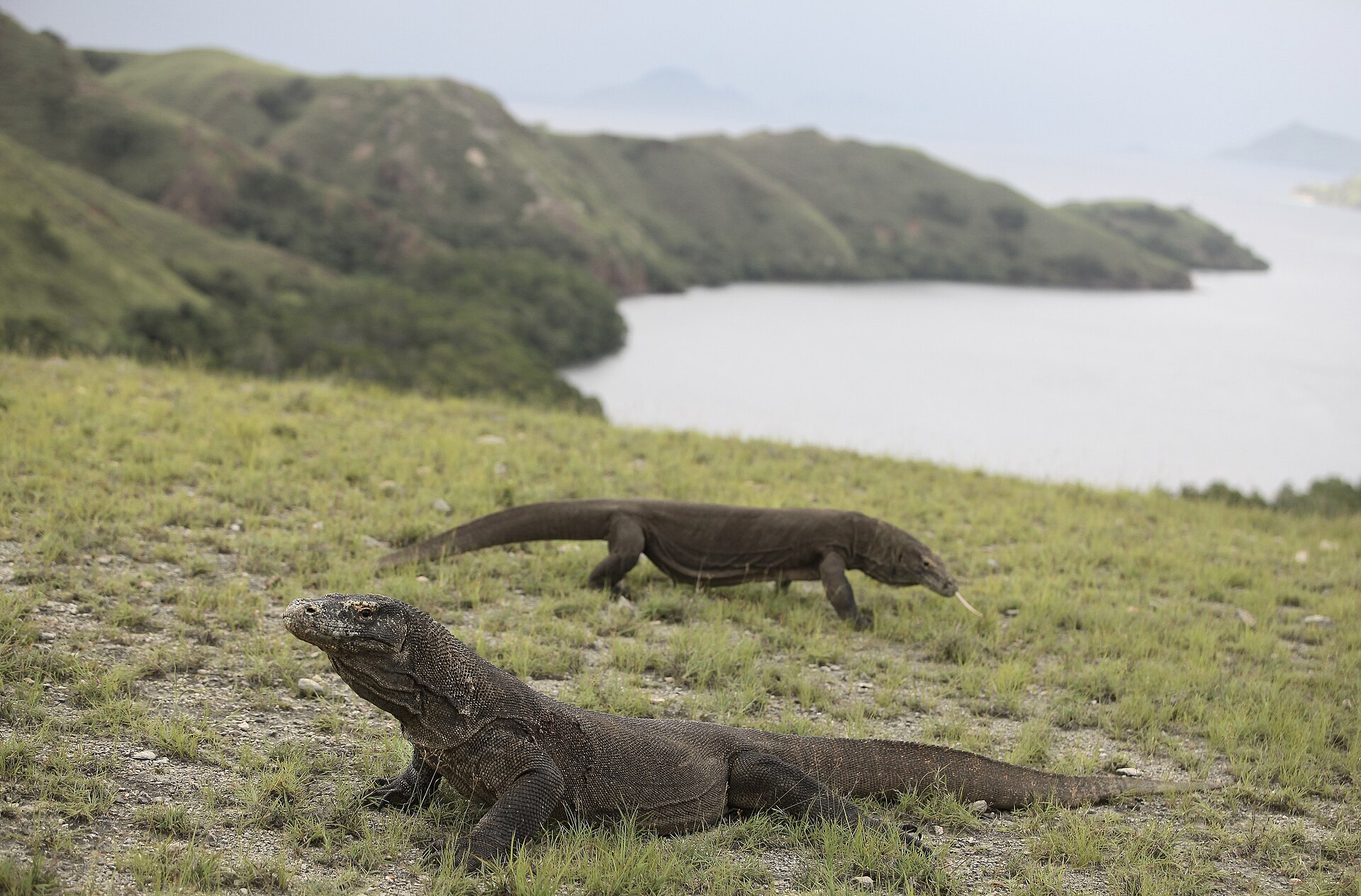
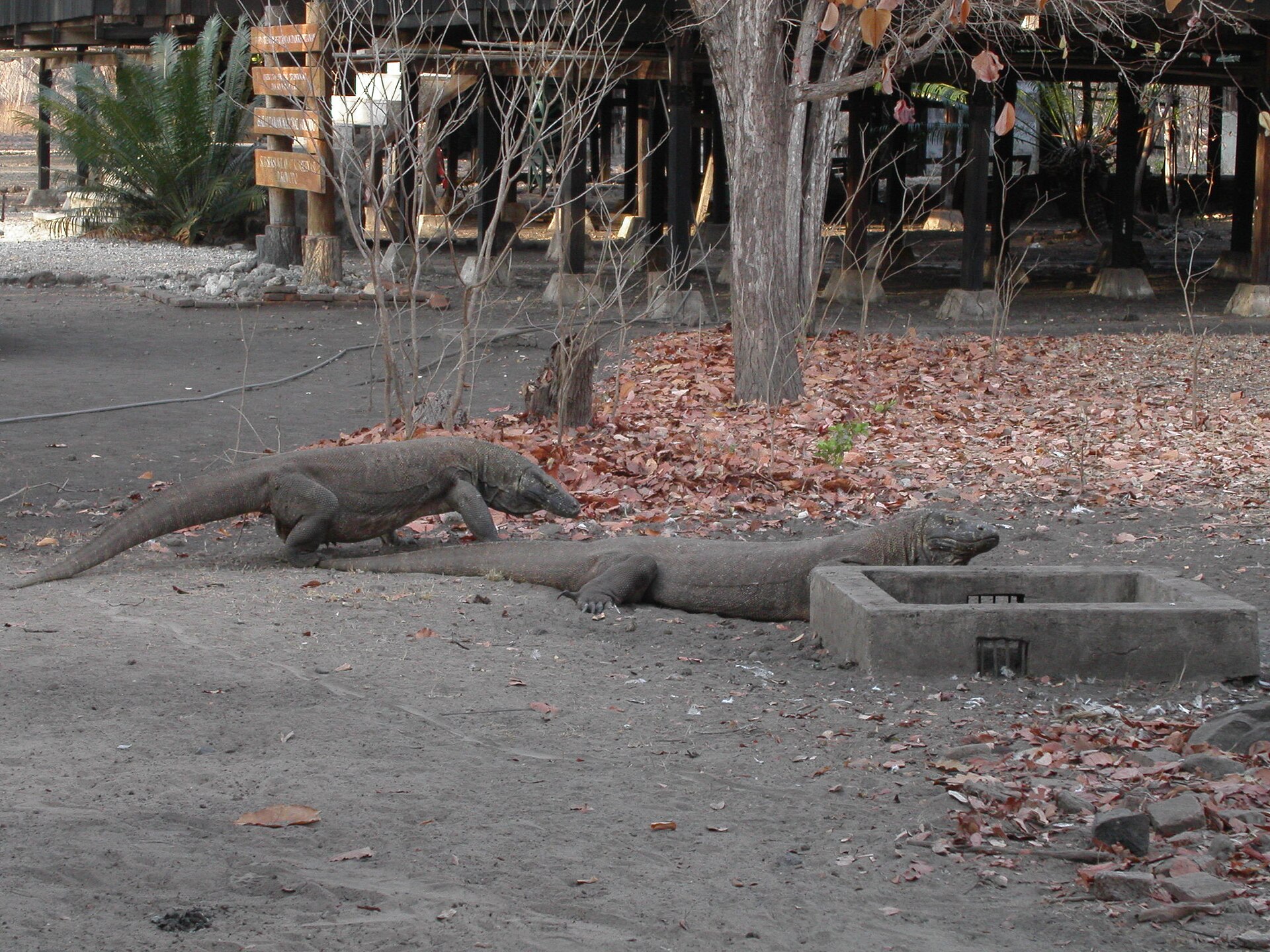
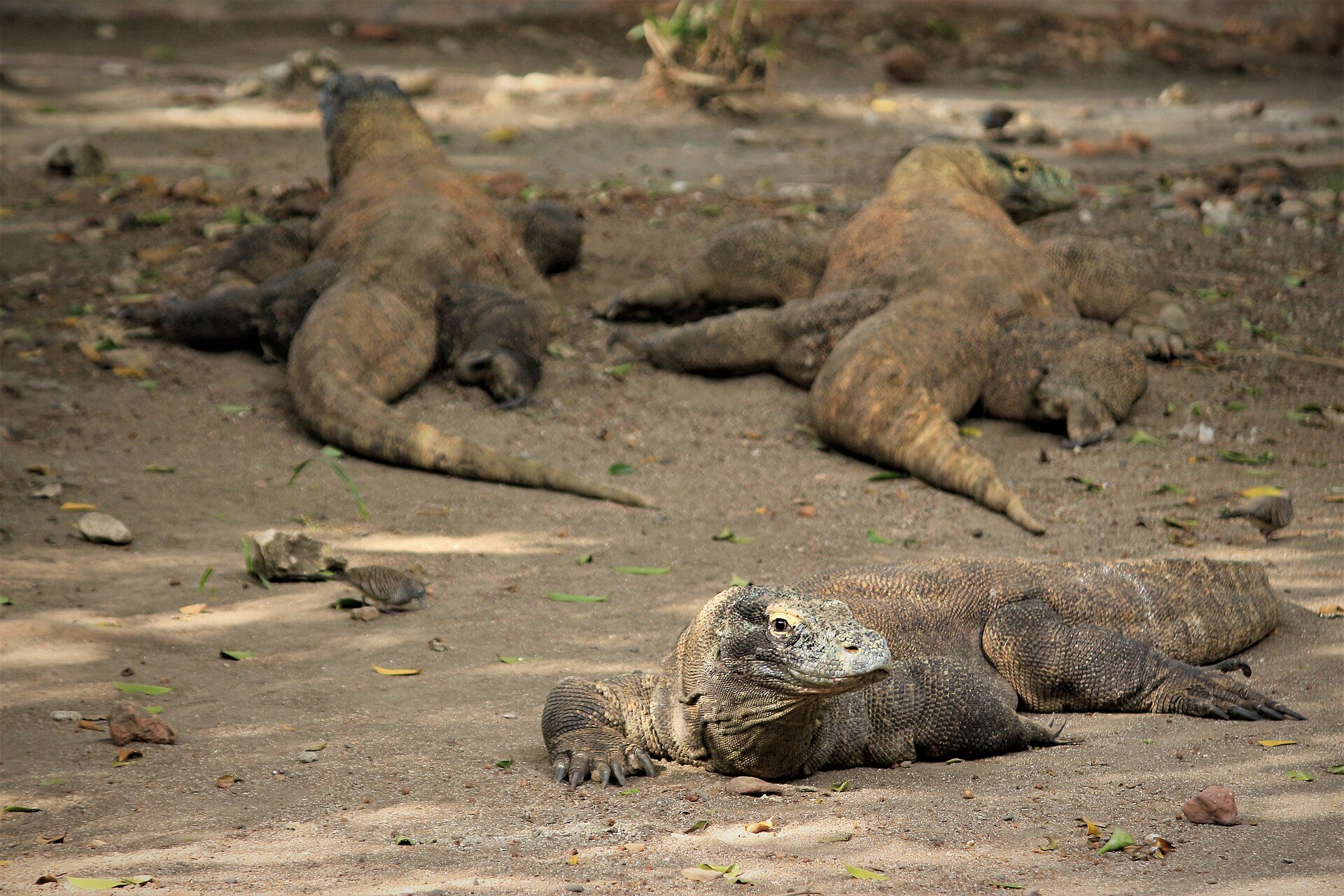
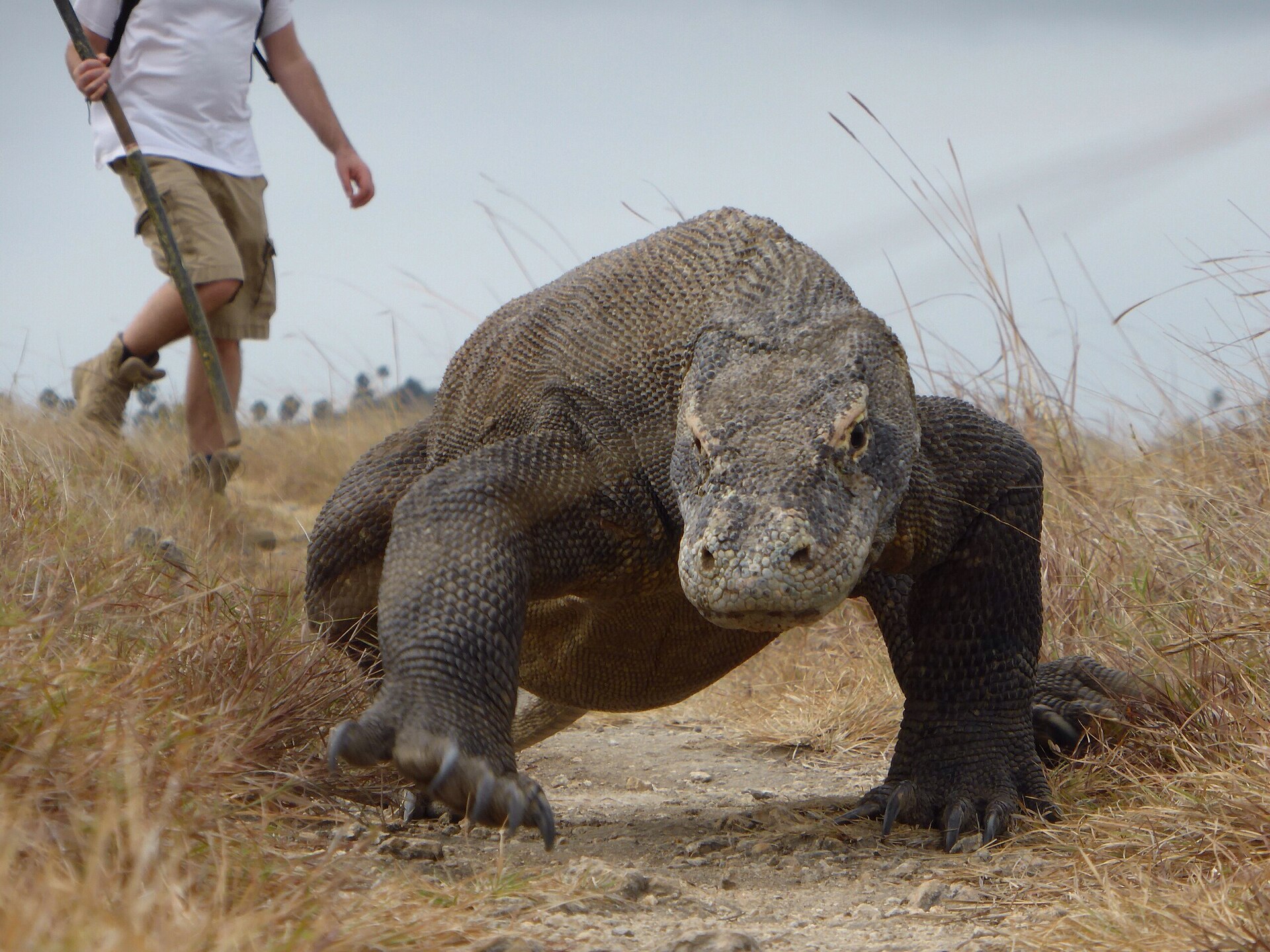
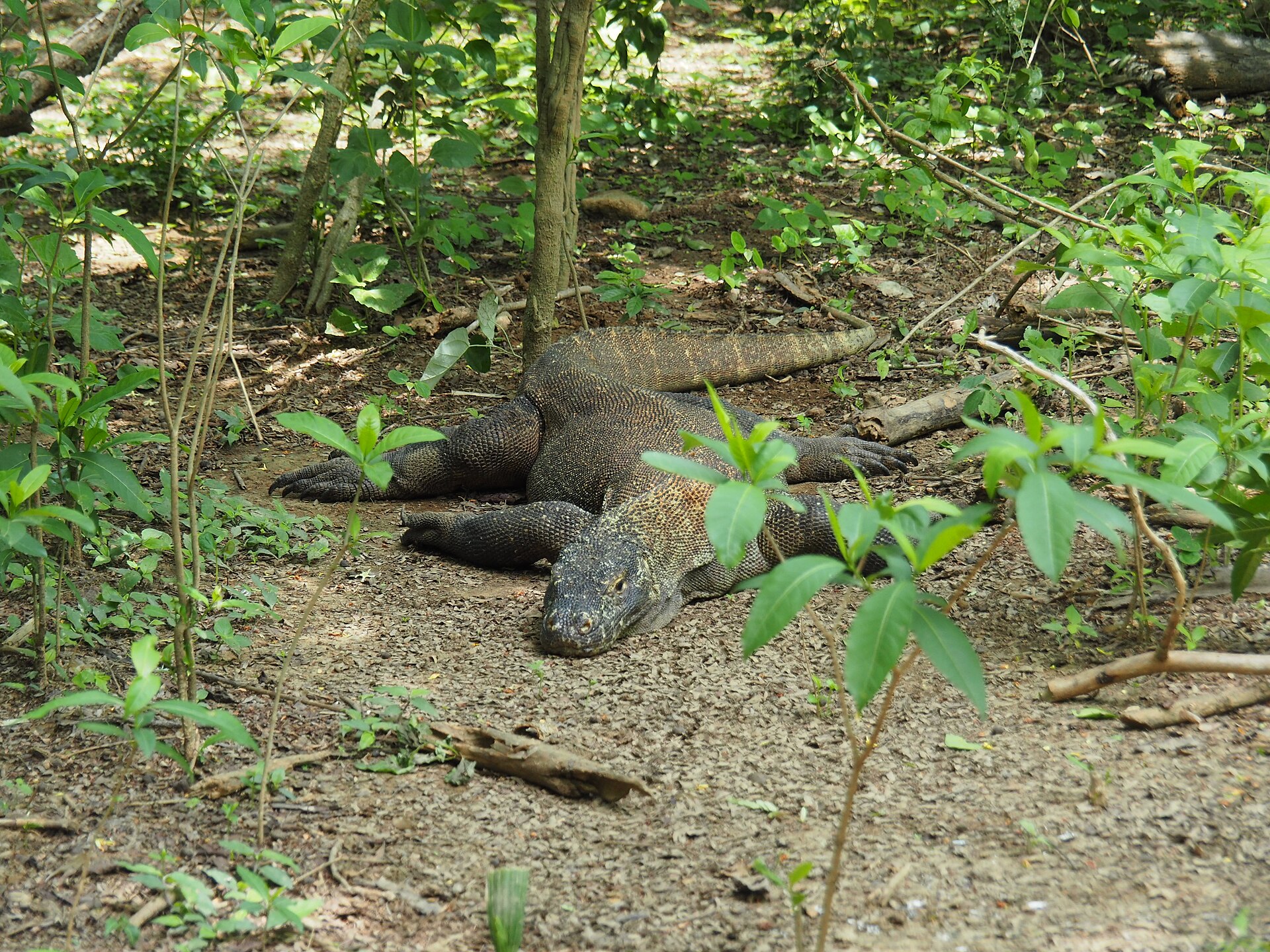
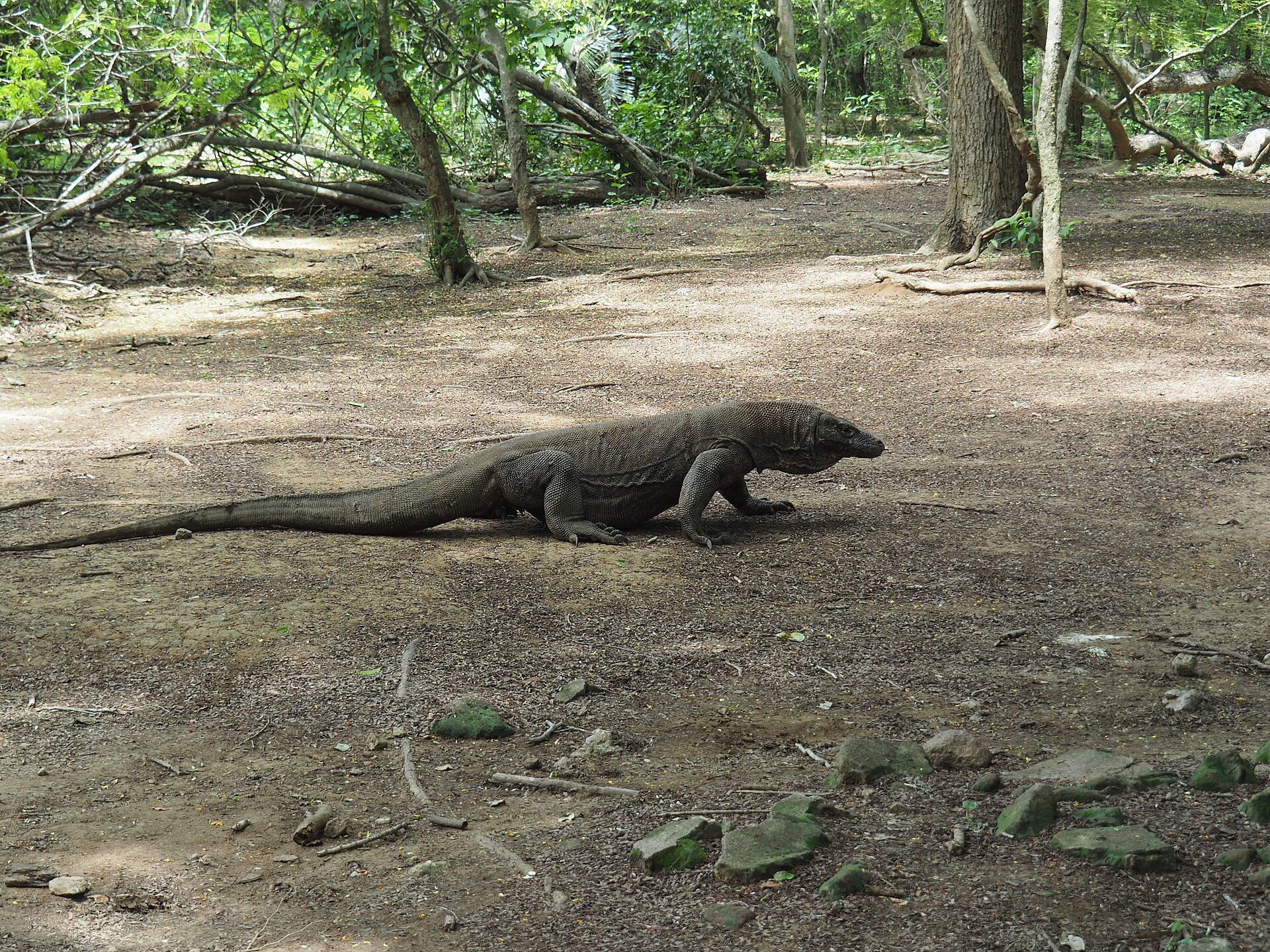
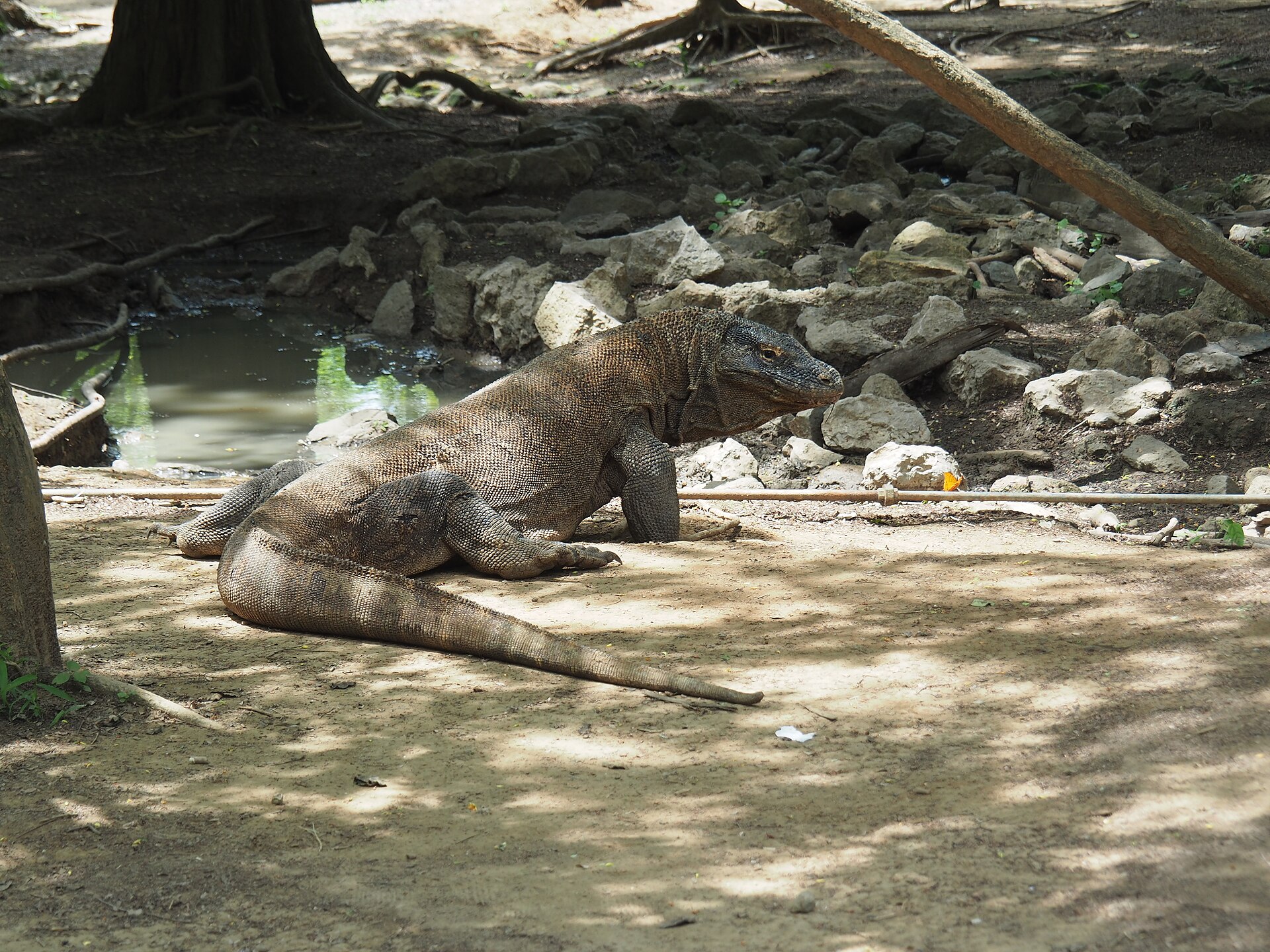
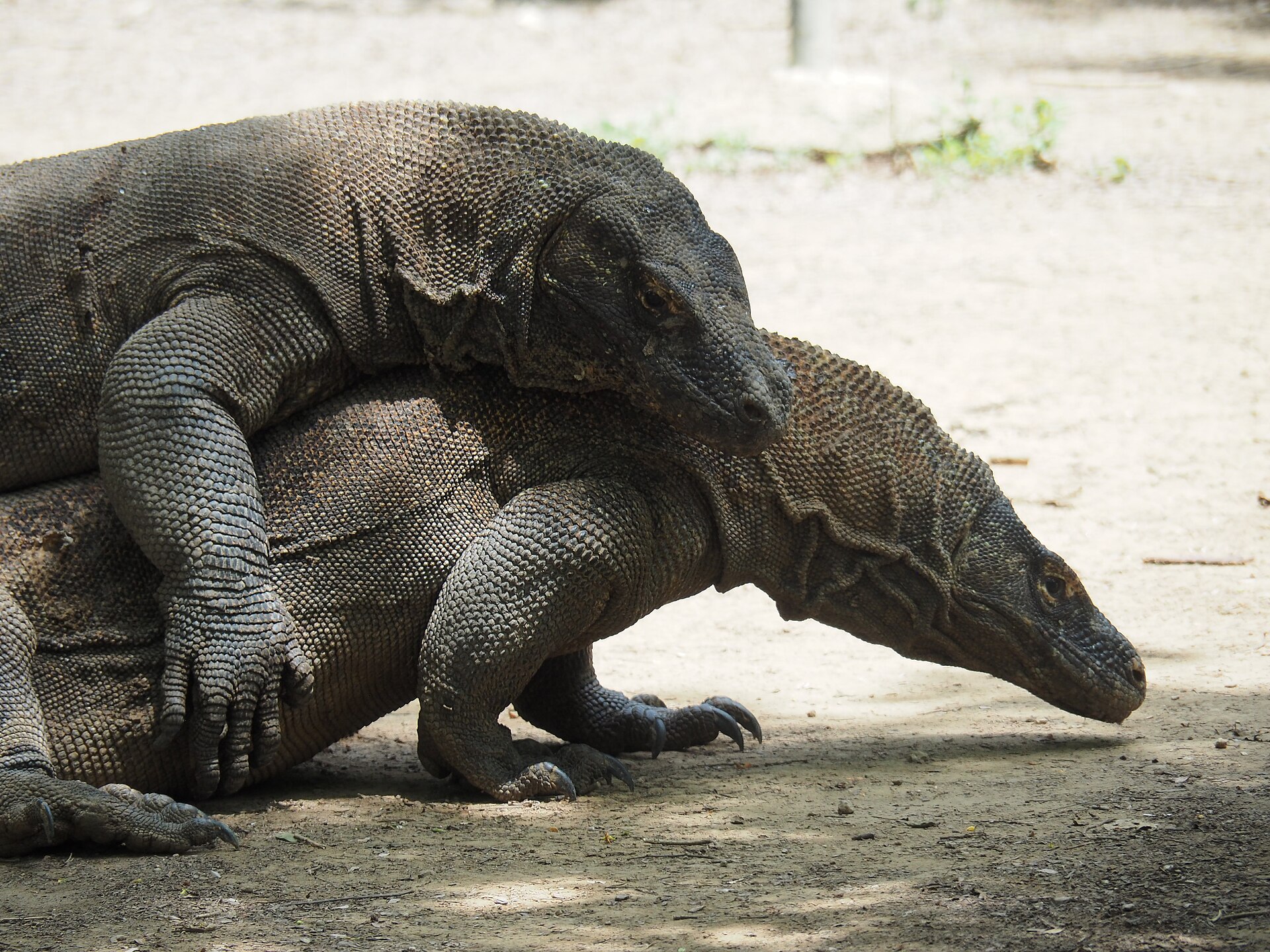
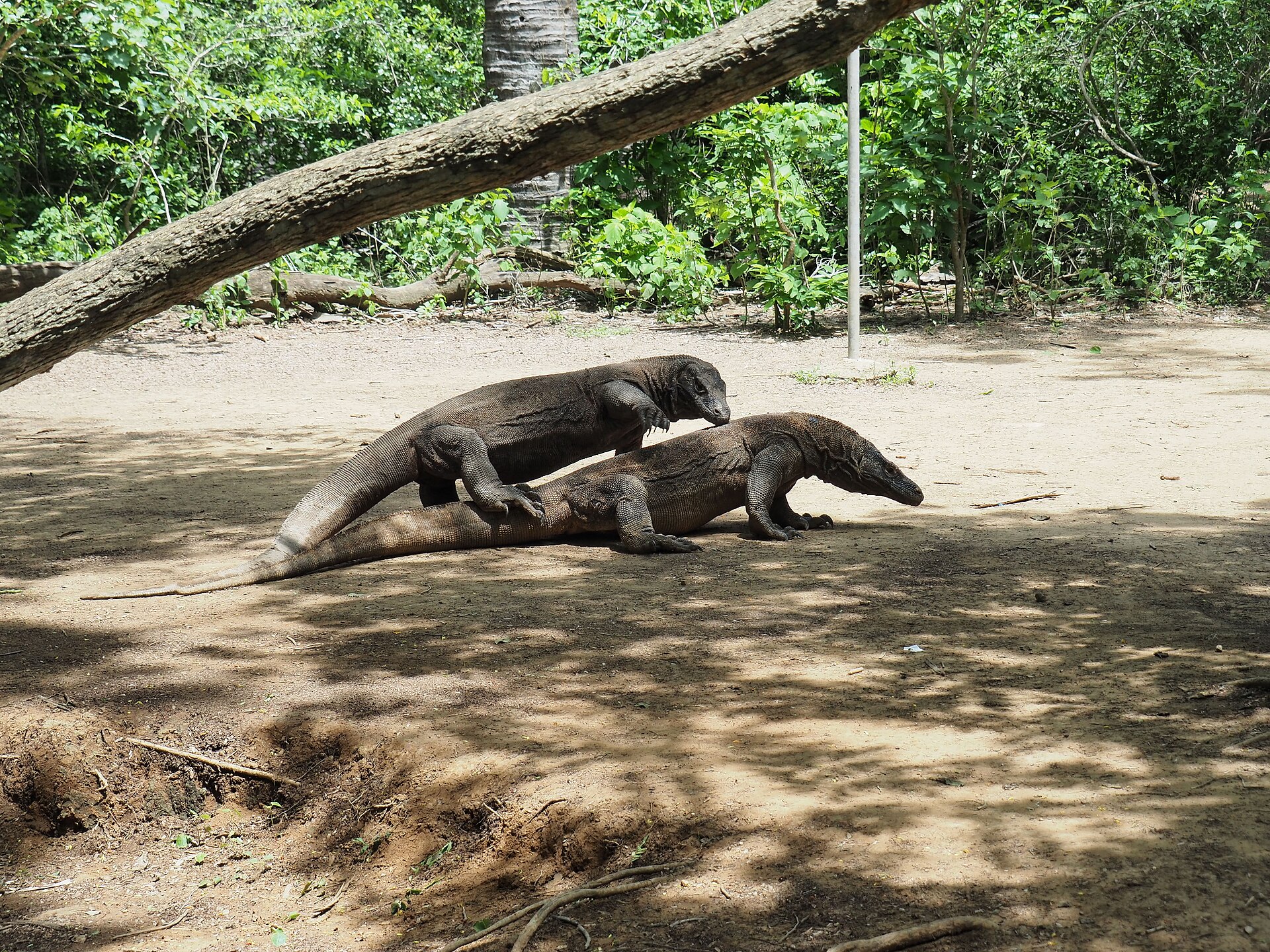
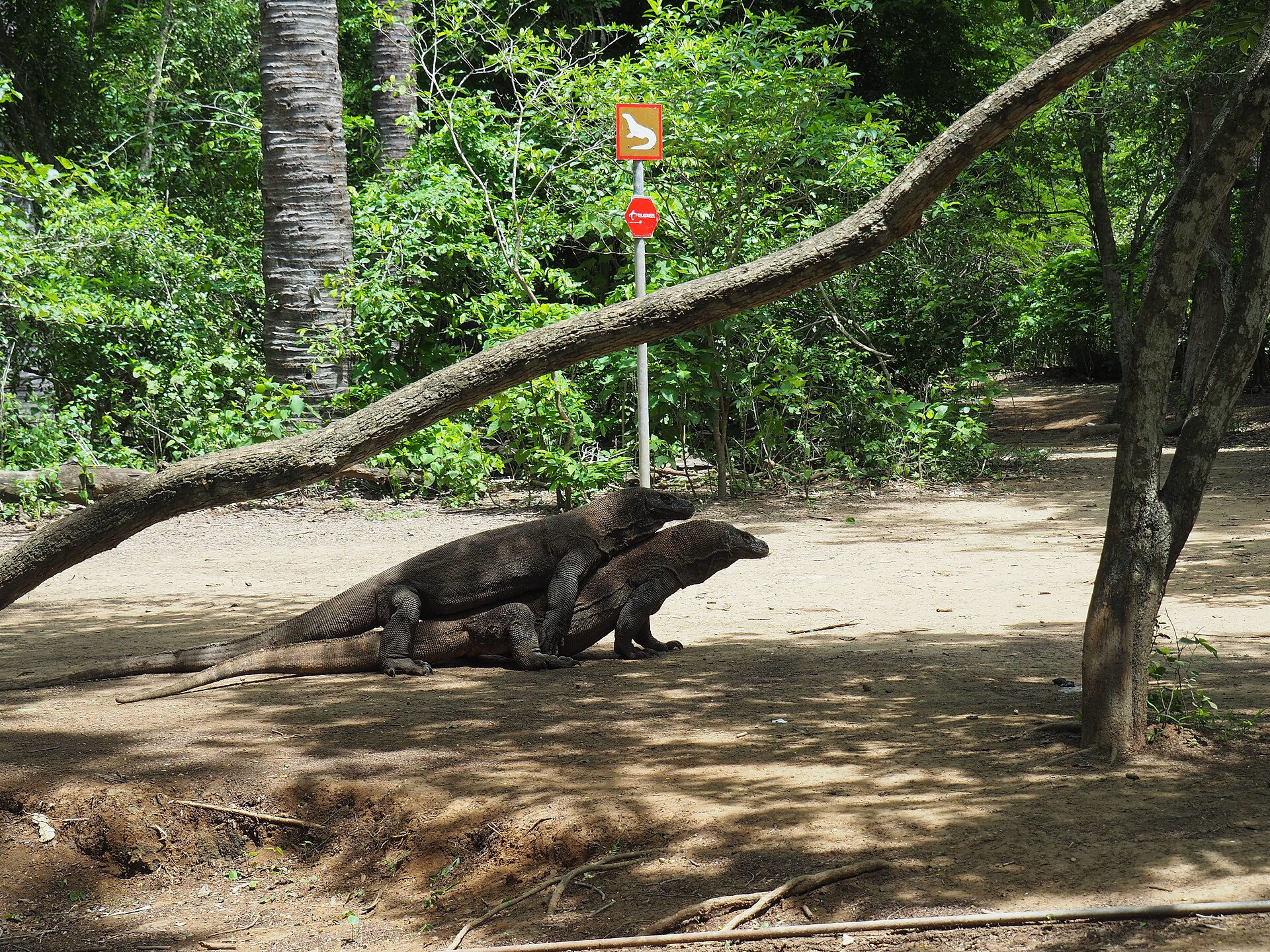
Komodo dragons are wild animals and are present on Komodo and Rinca. Ranger escort is mandatory on both and is not a formality; follow the group, stay on the marked route, and keep distance. Padar has no resident dragon population, which is why it is the one major island where beach walking without an escort is allowed.
Current is the main marine risk. It runs hard through the channels, changes with tide, and can reverse inside a single window. Dive and snorkel plans here are built around tide tables, not clocks, and the briefing is the safety equipment.
Medical facilities inside the park are effectively nonexistent and the nearest hyperbaric capability is in Labuan Bajo. Heat exhaustion, dehydration and sunburn are the injuries people actually get, and all three are prevention problems.
Photography Notes
The constraint here is not gear, it is access. The two windows that matter — the hour after sunrise and the hour before dark — belong to whoever slept inside the park. A speedboat day trip is built backwards from a sunrise arrival at one viewpoint and forwards to a harbour return before dark, which means every other frame you take is in hard midday light with a dozen boats in it.
Practical consequences. Landscape work rewards a liveaboard and almost nothing else. Wildlife at the ranger stations is reliable but close, so a mid-range zoom does more than a long lens. Underwater, the central sites are shallow and bright enough for available light; the southern sites are neither, and plankton season trades visibility for the animals you came to photograph.
Drones are a separate matter inside the boundary. A permit is required, it is expensive, and it has to be arranged in advance rather than negotiated at a ranger post. The fee schedule further down this page covers what applies.
Entrance Fee
Komodo National Park entrance is charged per person, per day. Foreign visitors, Indonesian visitors and Indonesian student groups have different statutory rates, and the 150% holiday rule applies to the Indonesian visitor and student rates. Activity, vessel and special-use charges are separate where applicable.
Access uses SiOra e-ticketing and cashless payment. Reserve before travel; Ministry guidance recommends H-1. An operator can assist, and self-service is available at the Komodo Visitor Center and KP3 terminal. A 1,000-visitor daily quota has applied since 1 April 2026 to the main visitor islands and 23 dive sites. The verified statutory table, legal basis and source date appear in What the Park Costs below.
Frequently Asked Questions
Where are the Komodo dragons, and are sightings reliable?
On Komodo Island at Loh Liang and on Rinca Island at Loh Buaya, both with ranger stations and marked trekking routes. Sightings are reliable at both year-round, and Rinca is the more common stop on day trips because it is closer to Labuan Bajo. Padar has none — its dragon population died out decades ago after the deer they preyed on were hunted off the island.
How many days do I actually need?
A single long day trip covers the central highlights — a viewpoint, a dragon trek, a pink beach and a manta stop. Three days lets you sleep in the park, which is what unlocks sunrise and sunset windows without the day fleet. Four days is where the northern dive sites start to fit. The southern zone realistically needs five or more, and it is still weather-dependent.
When is the best time to visit?
It depends on which reputation you came for, and the two disagree. April to November is the dry season: calmer seas, better visibility, brown savannah. December to April brings plankton blooms that draw the biggest manta aggregations but cut underwater visibility and roughen the crossings. The grass is green in the tail of the wet season and bone-dry by August. There is no month that maximises everything.
Are park fees included in tour prices?
Sometimes, but never assume it. Ask the operator to separate the boat fare from the SiOra total before issuance. Statutory entrance is charged per person, per day. Diving, vessel entry and special-use permits are separate where applicable. Any site, ranger or guiding-service line should be identified by the operator rather than presented as part of the statutory entrance rate. The verified table and source date appear in What the Park Costs on this page.
Can I visit the park without booking a boat tour?
Not practically. There is no ferry service and no accommodation inside the park, so every visit is by chartered or shared boat out of Labuan Bajo. The realistic options are a shared speedboat day trip, a private charter, or a liveaboard. Independent travel to the islands is not a route that exists here.
Is Komodo suitable for beginner divers?
In the central zone, yes — Karang Makassar and the sites around it are shallow and dived by newly certified divers routinely. The north and south are a different park: strong, shifting current and sites that expect experience rather than a certification level. Comfort in moving water matters more here than the card in your wallet, and any operator that tells you otherwise is selling rather than briefing.
Can I be turned away at the gate if the daily quota is full?
SiOra availability depends on the date and registered itinerary. A 1,000-visitor daily quota has applied since 1 April 2026 to the main visitor islands and 23 dive sites, so reserve before travel; Ministry guidance recommends H-1. An operator can assist, and self-service is available at the Komodo Visitor Center and KP3 terminal. Keep the e-ticket and ask the handling operator to confirm the current change and weather-disruption terms before issuance.
What happens if weather cancels part of my itinerary?
You get rerouted, not refunded. That is the norm here and it is worth understanding before you book rather than at six in the morning on a jetty.
The southern zone goes first. It is the most exposed water in the park and the first thing an operator drops when the forecast turns, usually swapped for additional central-zone stops. Northern crossings go next. The central zone runs in almost all conditions, which is part of why nearly every standard itinerary lives there.
Whether any money comes back depends entirely on the operator's terms, and most treat weather as force majeure — meaning the trip ran, just not where the brochure said. Ask what the substitution policy is before you pay, and ask it as a specific question rather than a general one.
The real protection is not a clause. It is a spare day in Labuan Bajo. A cancelled crossing costs a day, and travellers who planned zero slack are the ones who lose the trip rather than the stop.
One last thing worth knowing: crossings are called by the operator, and sometimes by the harbour master. A boat that sails on a morning when others stay in port is not braver. It is making a different risk call with your day.
What the Park Costs
| What you pay | Amount | Basis |
|---|---|---|
| Park entrance, foreign visitor | Rp 250,000 ≈ $14 | per person, per day The statutory Class I entrance rate. The 150% holiday rule applies to Indonesian visitor and student rates, not this foreign visitor rate. |
| Park entrance, Indonesian visitor, normal day | Rp 50,000 ≈ $3 | per person, per day The normal-day Class I entrance rate. |
| Park entrance, Indonesian visitor, holiday or collective leave | Rp 75,000 ≈ $4 | per person, per day 150% of the normal Indonesian visitor rate on the dates covered by the statutory holiday rule. |
| Indonesian student group, normal day | Rp 25,000 ≈ $1 | per person, per day For Indonesian student groups of at least five people. |
| Indonesian student group, holiday or collective leave | Rp 37,500 ≈ $2 | per person, per day 150% of the normal student-group rate; the minimum group size remains five. |
| Scuba diving activity | Rp 25,000 ≈ $1 | per diver, per day A separate activity charge in addition to the applicable entrance fee. |
| Motorised vessel entry | Rp 100,000–200,000 per boat, per day | Rp 100,000 for 40–100 HP, Rp 150,000 for 101–500 HP, and Rp 200,000 above 500 HP. |
| Drone use | Rp 2,000,000 ≈ $112 | per unit, per day A separate special-use charge. Complete the required SiOra/SIMAKSI process before travel. |
- SiOra is the park’s e-ticketing and SIMAKSI system. Reserve before travel; Ministry guidance recommends completing the reservation by H-1. An operator can assist, and self-service is available at the Komodo Visitor Center and KP3 terminal.
- Payment is cashless through the methods available in SiOra, including BRIVA or bank transfer and supported e-wallets. Keep the e-ticket and ensure the traveller details are correct.
- A 1,000-visitor daily quota has applied since 1 April 2026 to the main visitor islands and 23 dive sites. Availability therefore depends on the travel date and registered itinerary.
- The final SiOra total can include entrance, activity, vessel and special-use charges. Ask the handling operator for an itemised total before issuance.
- Official public guidance does not state one universal refund or rescheduling rule for every reservation. Confirm the current SiOra terms in writing before the ticket is issued, including treatment of weather disruption.
Statutory fees under Peraturan Pemerintah No. 36 Tahun 2024, in force since 30 October 2024. Verified 31 August 2026 against the official PP 36/2024 schedule, the Ministry of Forestry SiOra notice and the Ministry’s 2026 quota notice. Amounts are payable in rupiah; dollar figures are courtesy estimates converted at Rp 17,900 and rounded.
Activities
Cruise Areas
Location
Komodo National Park, Manggarai Barat, East Nusa Tenggara, Indonesia





Add a review