
About This Place
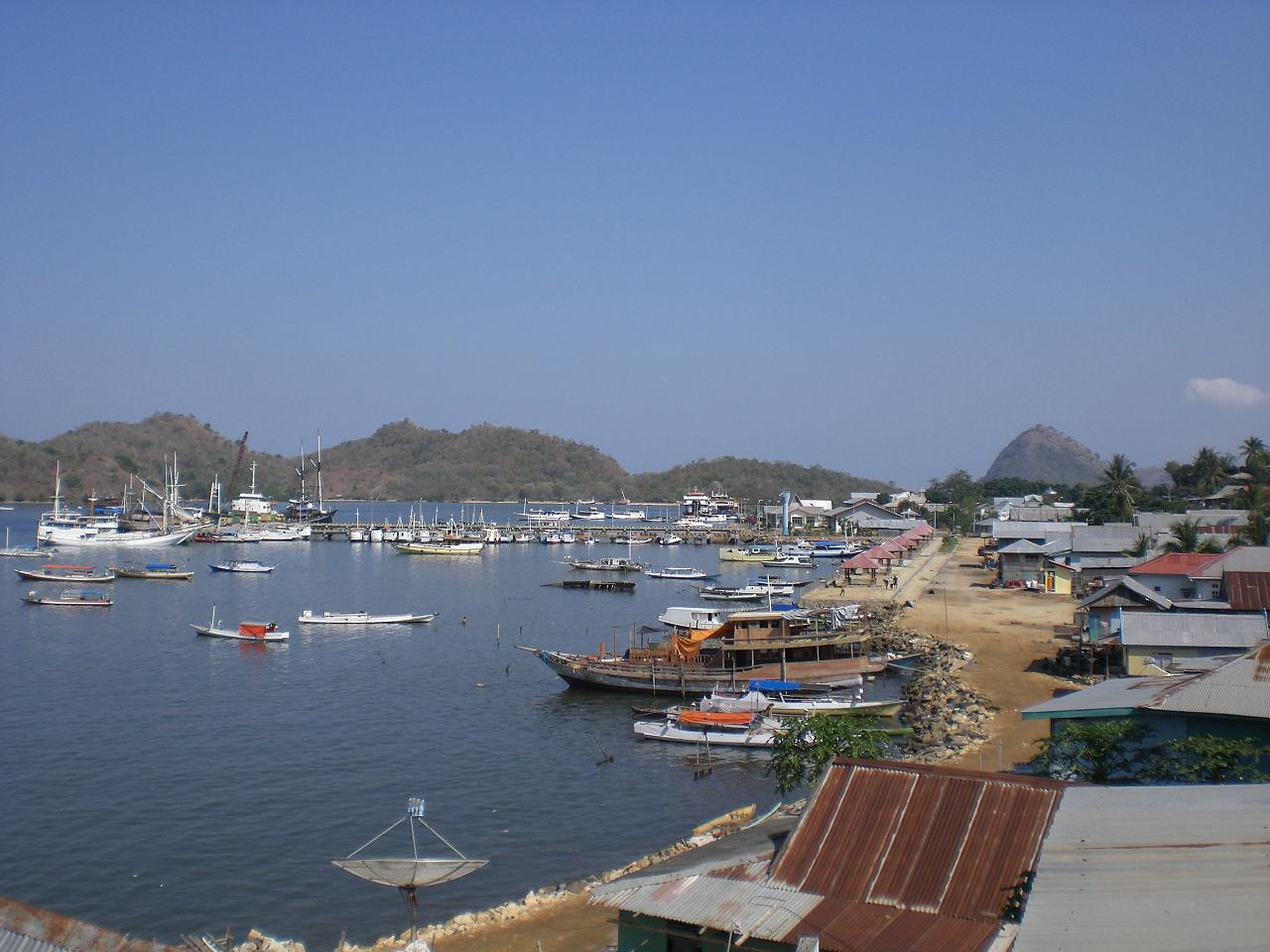
Labuan Bajo is not a stop on a Komodo itinerary. It is the door, and it is the only one. A fishing town on the western tip of Flores in West Manggarai Regency, East Nusa Tenggara, it has spent fifteen years turning into the harbour every boat in this guide leaves from.
Komodo Airport carries the code LBJ and sits about ten minutes from the harbour, roughly an hour and ten minutes by air from Bali. There is no airstrip inside the national park, no ferry hopping between the islands, and no road to any of them. Whatever you do in Komodo, you do it on a boat that started here.
That makes Labuan Bajo the one place in this guide where the decisions are logistical rather than scenic: which harbour you leave from, how many nights you keep on land, and how much weather buffer you build in.
At a Glance
- Also known asLabuanbajo, Labuan Bajo Flores, LBJ, Komodo Airport town
- TypeTown / Gateway
- Inside Komodo National ParkNo
- How to get thereFast Boat, Land Transfer
- Travel time from Labuan BajoThis is the departure point. Komodo Airport is about 10 minutes from the harbour
- LandingJetty
- Last checked2026-08-25
What to Expect
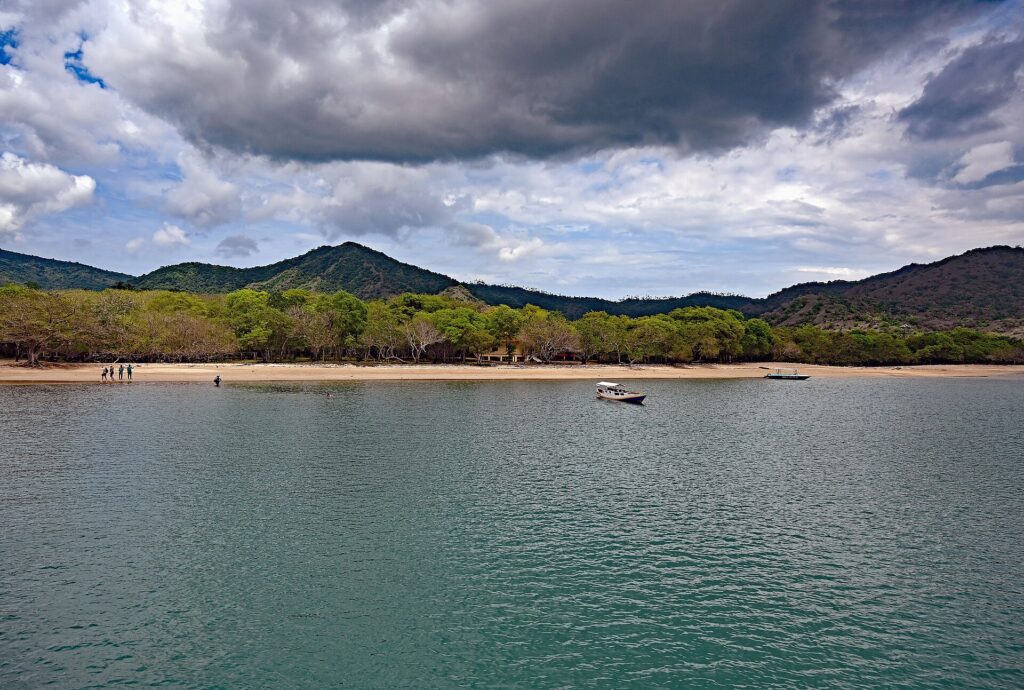
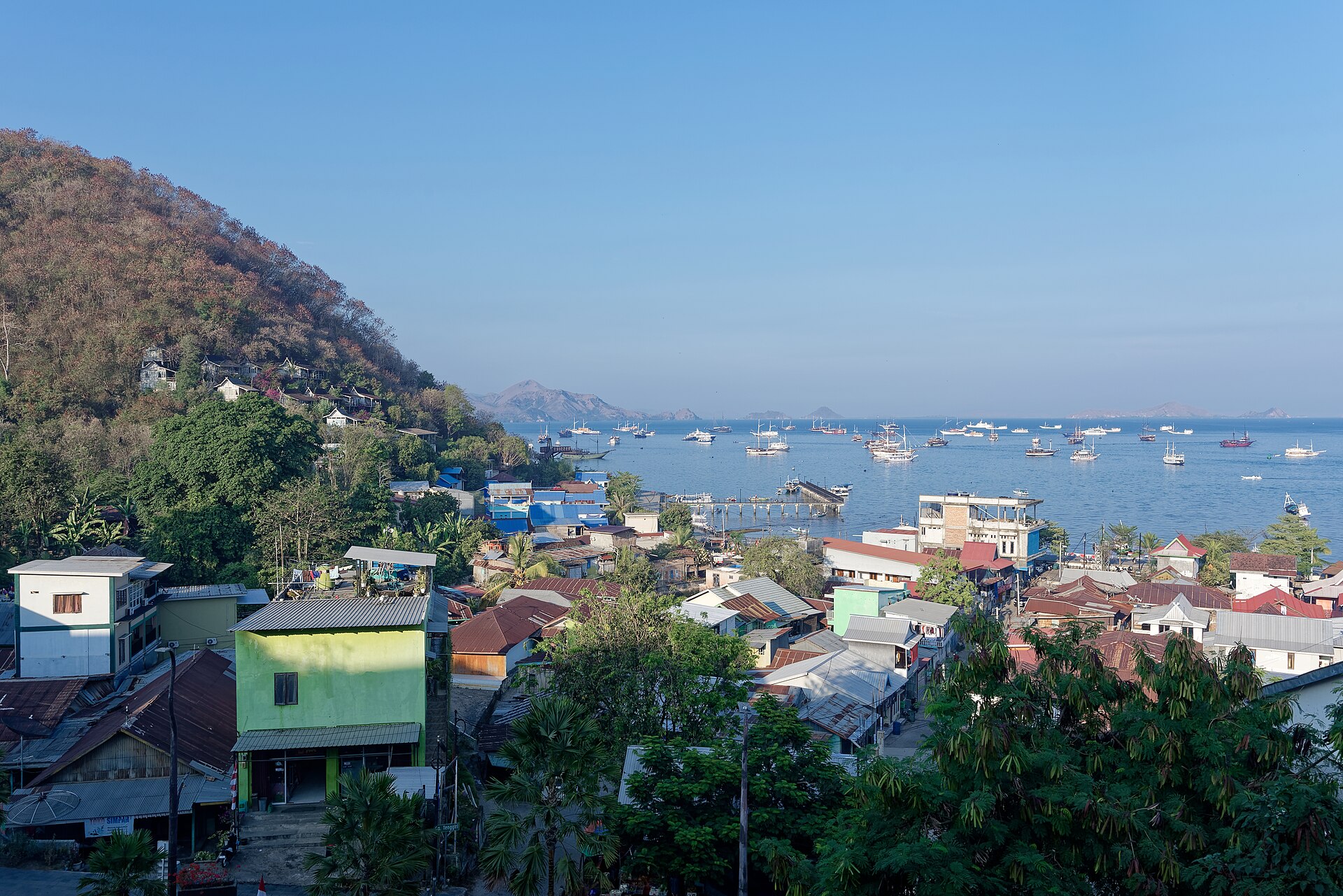
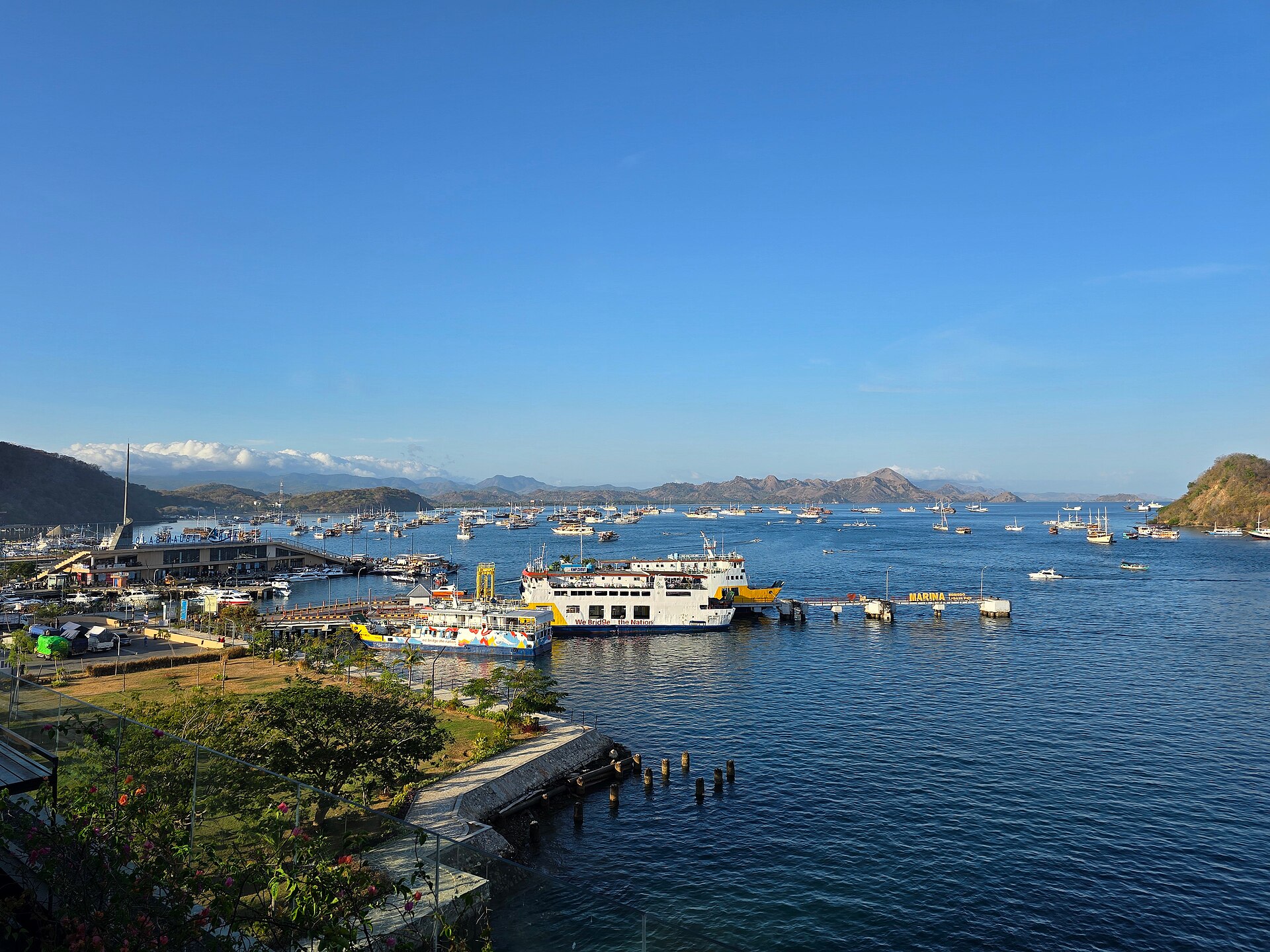
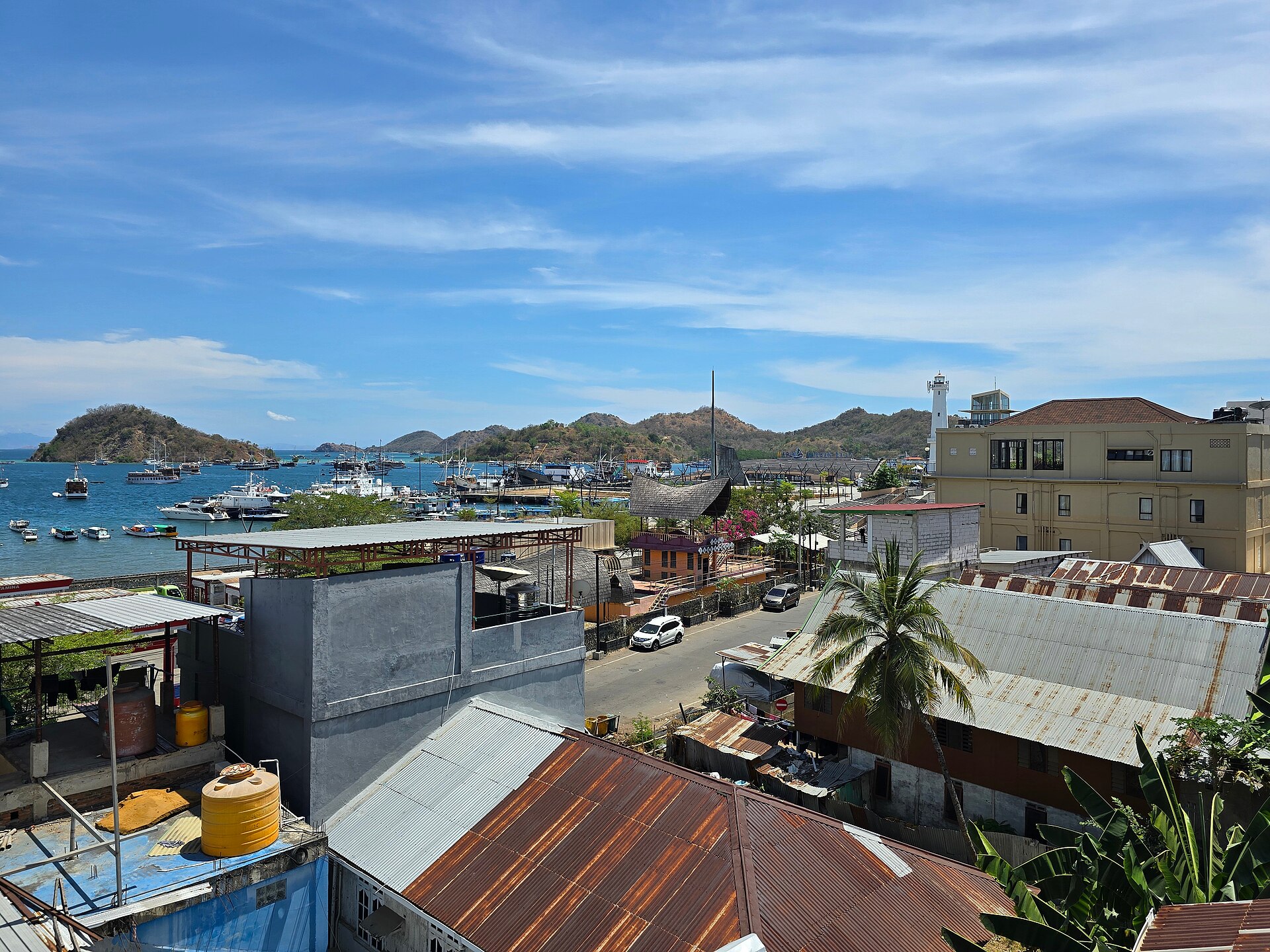
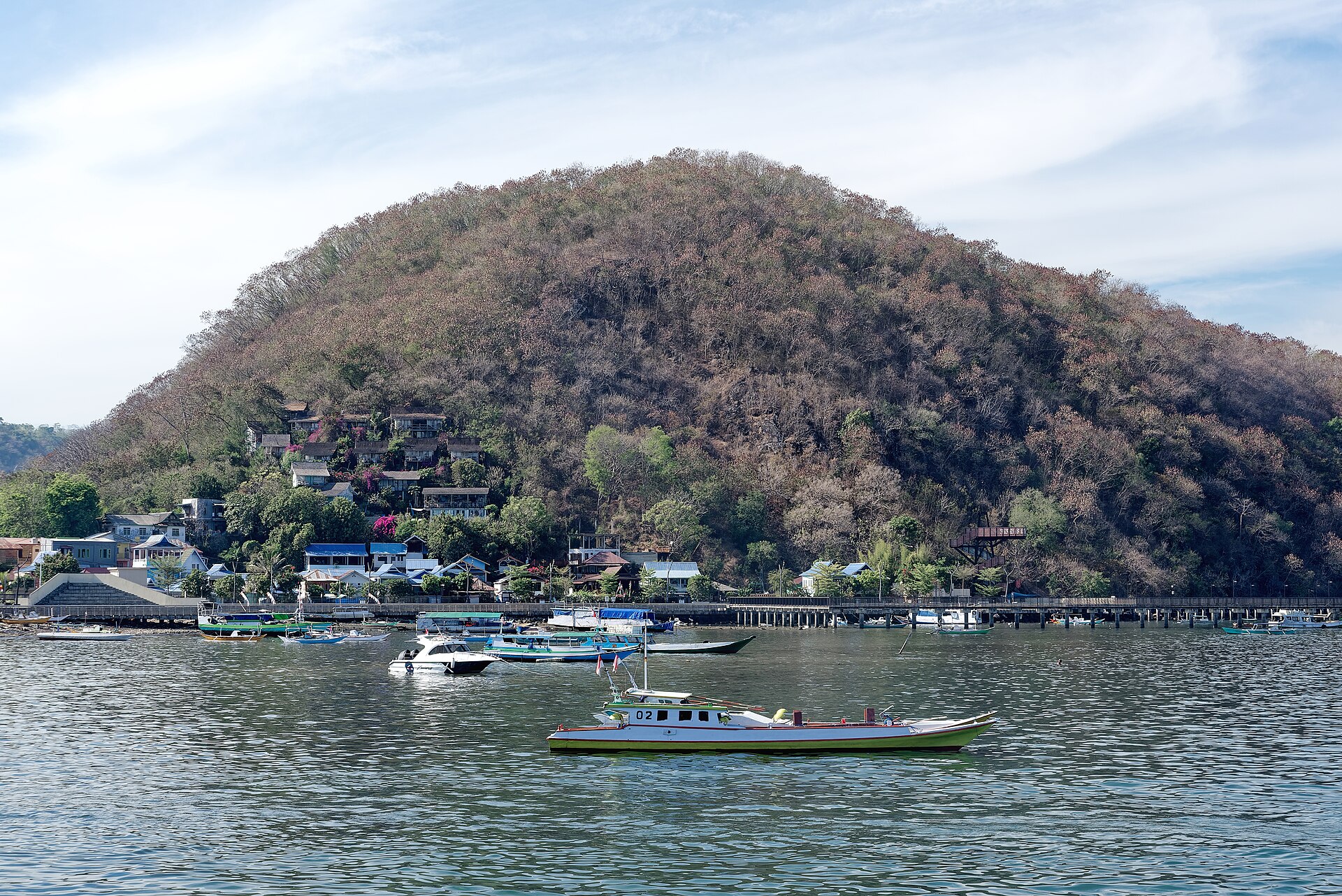
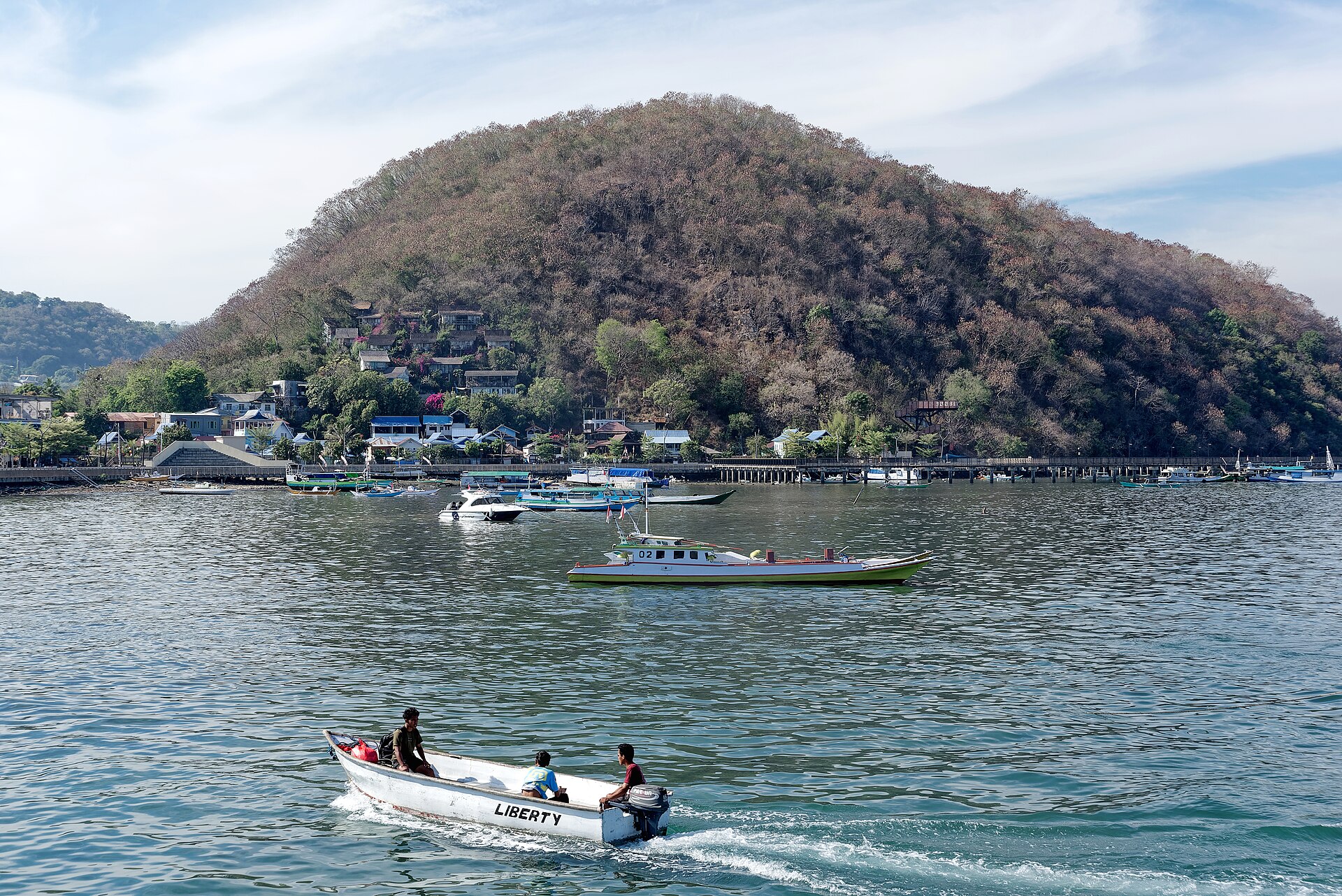
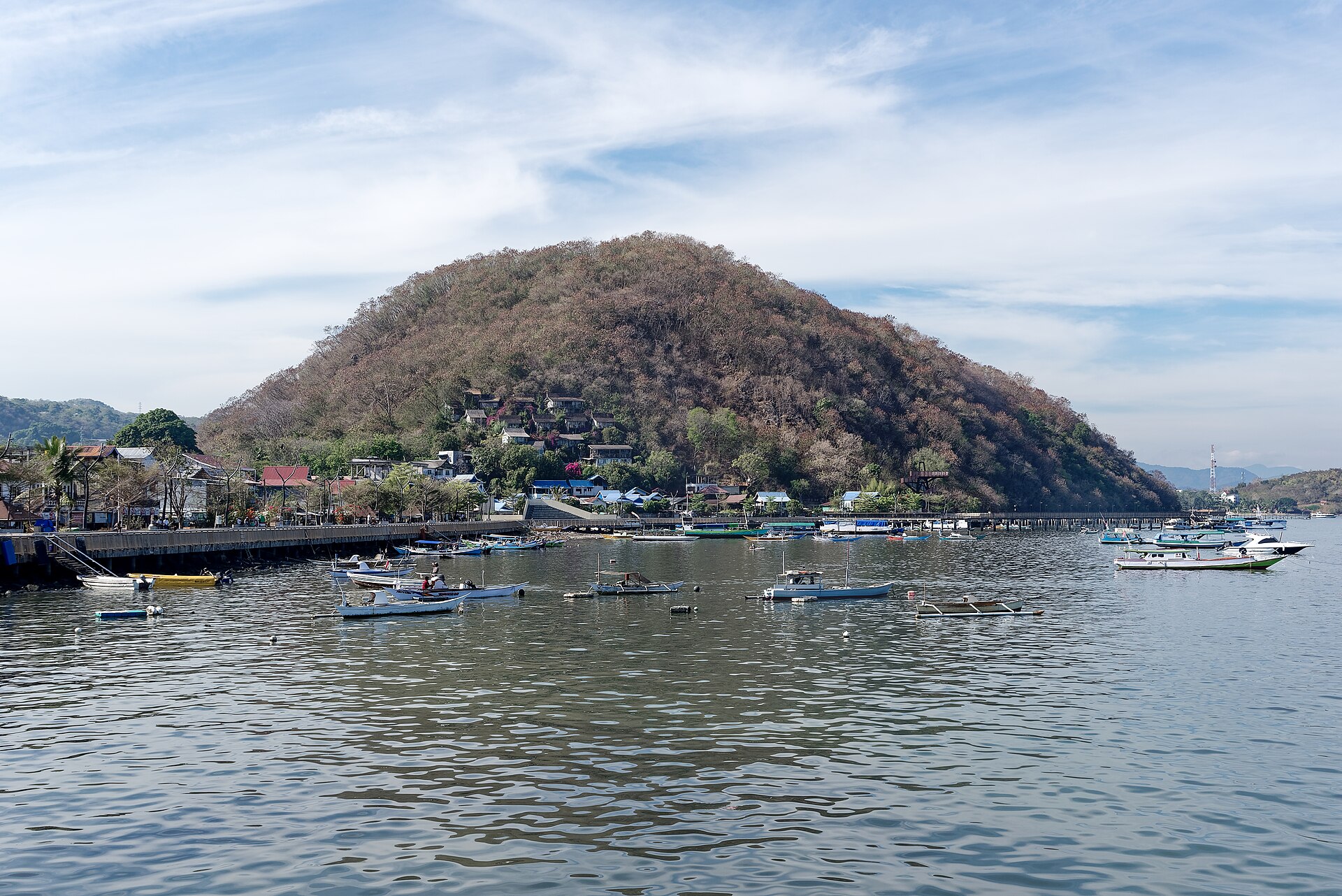
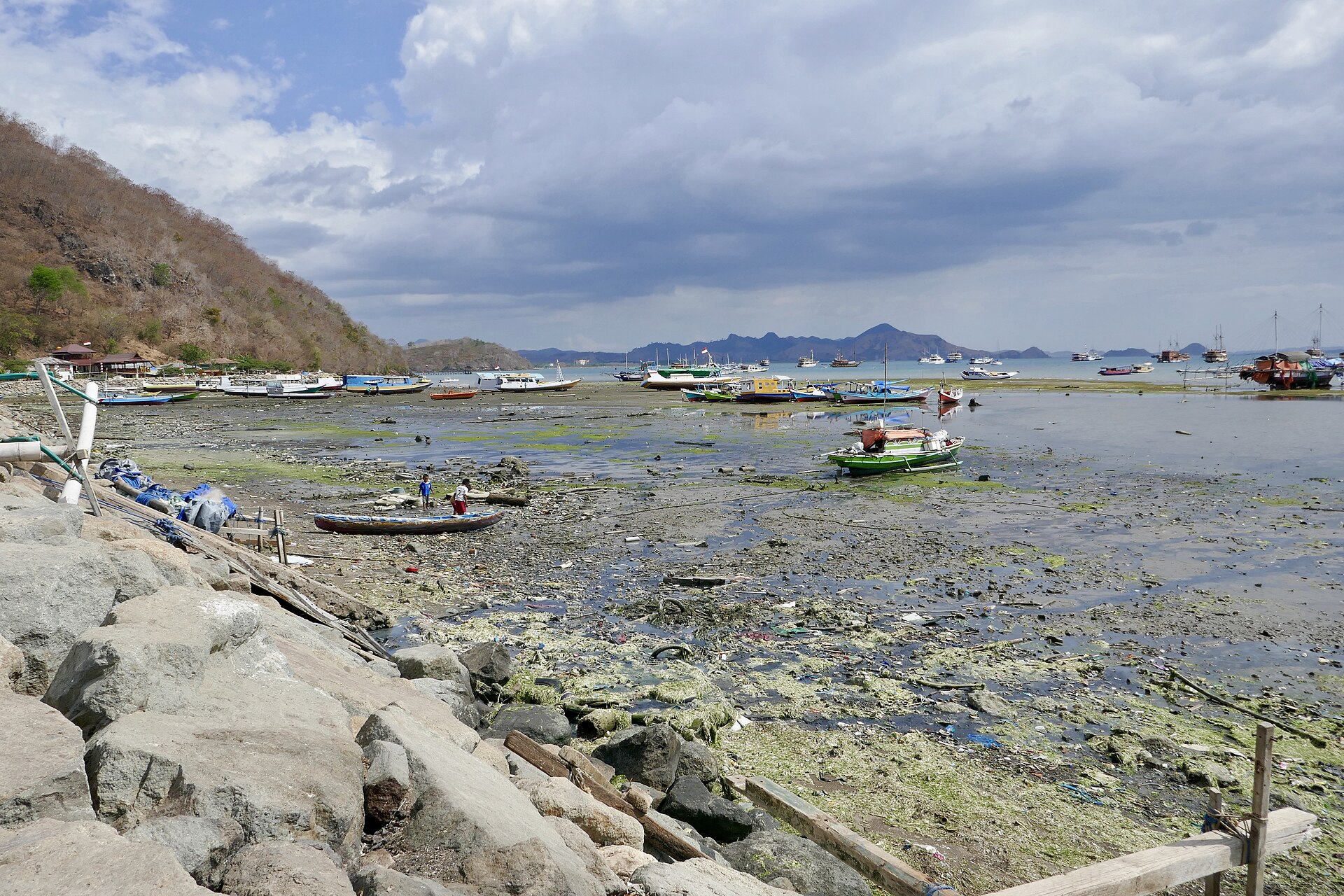
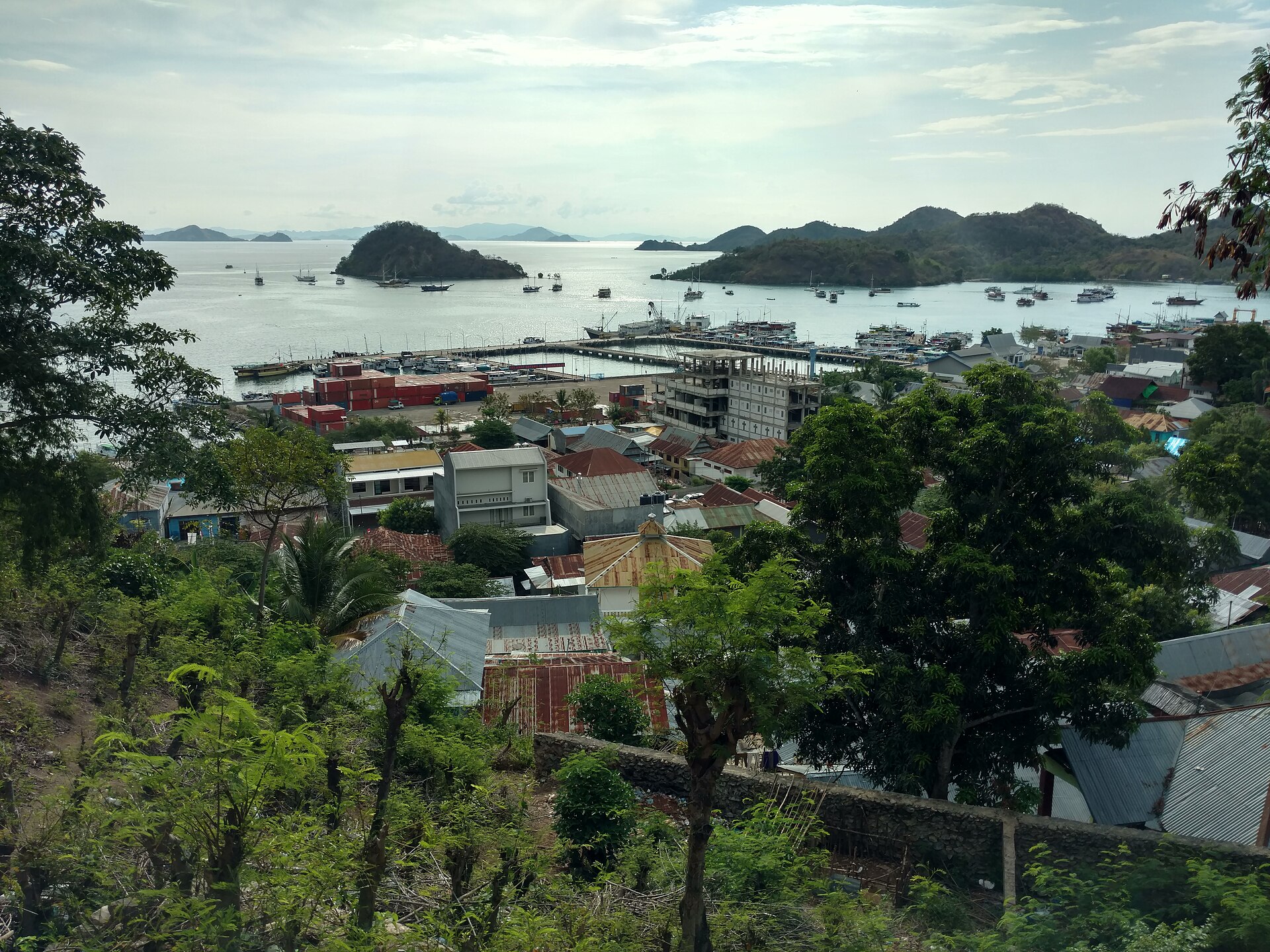
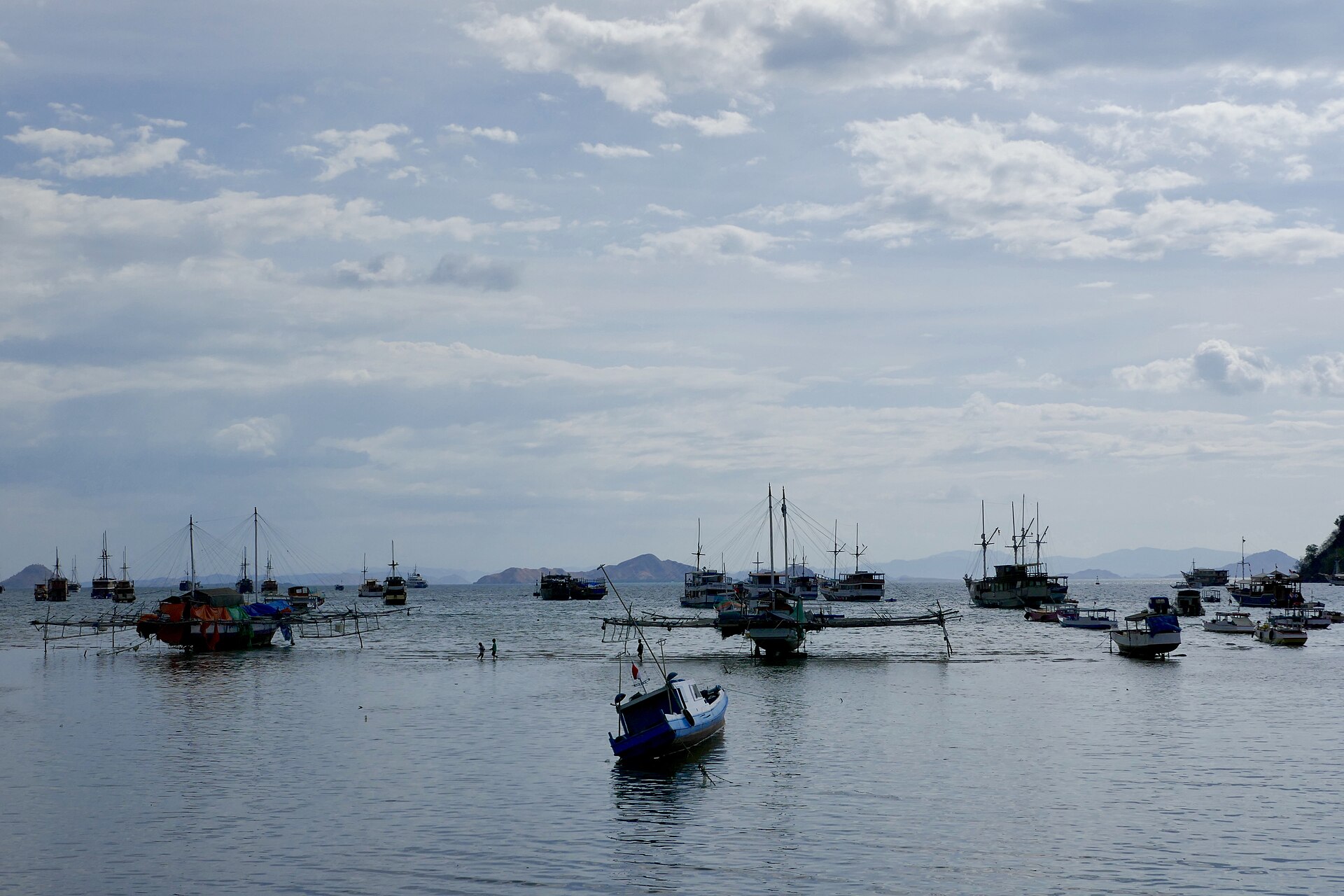
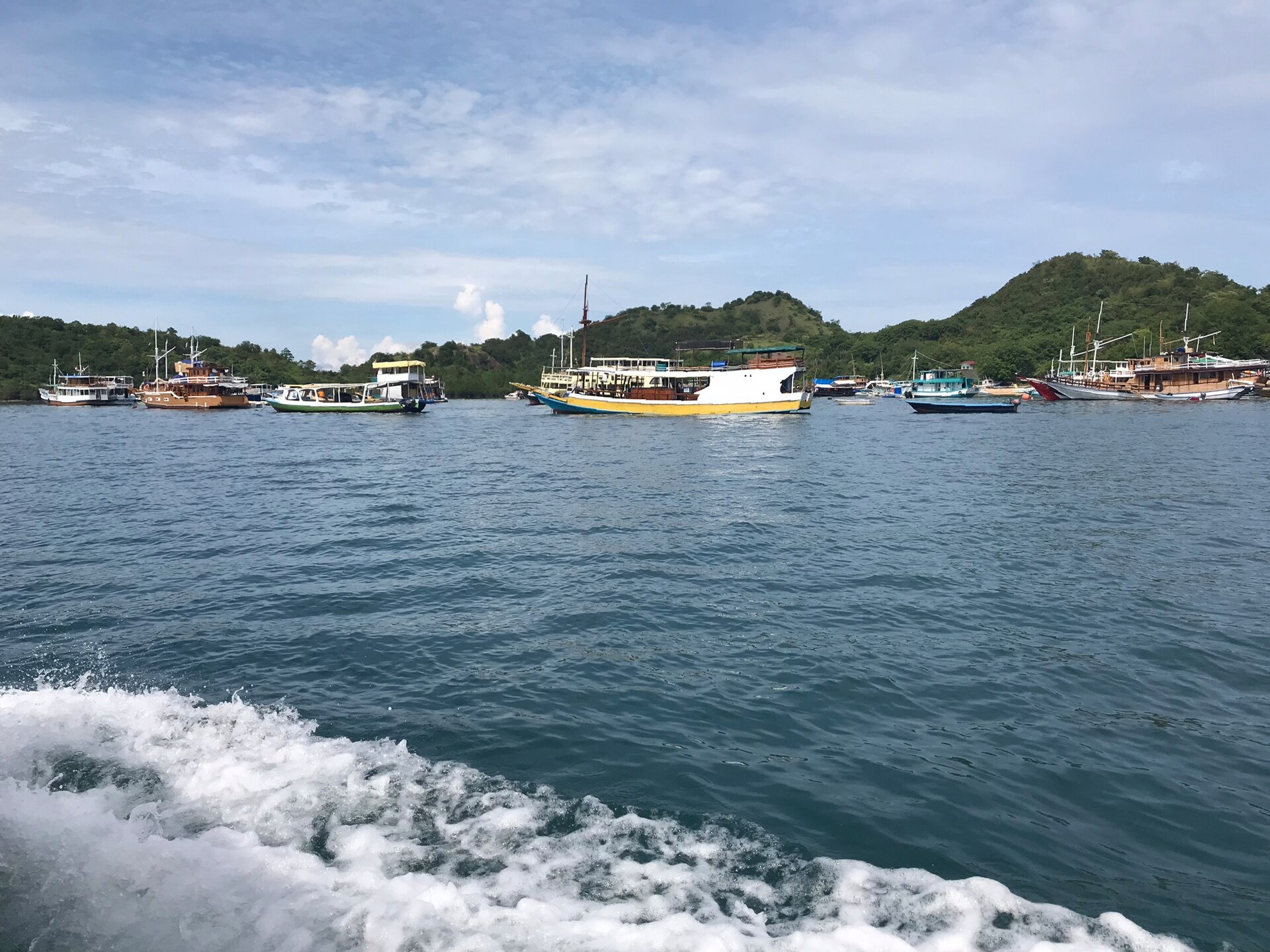
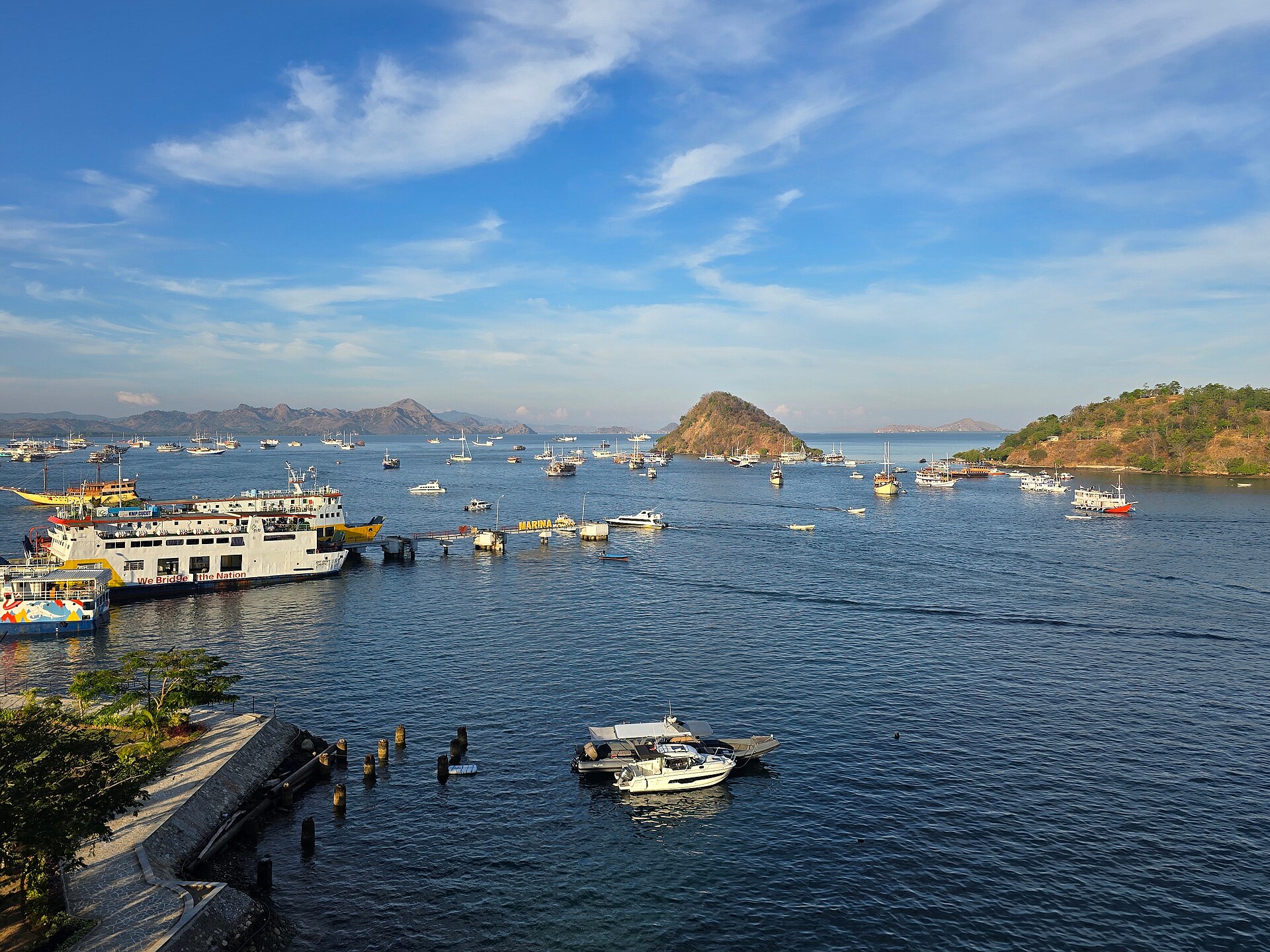
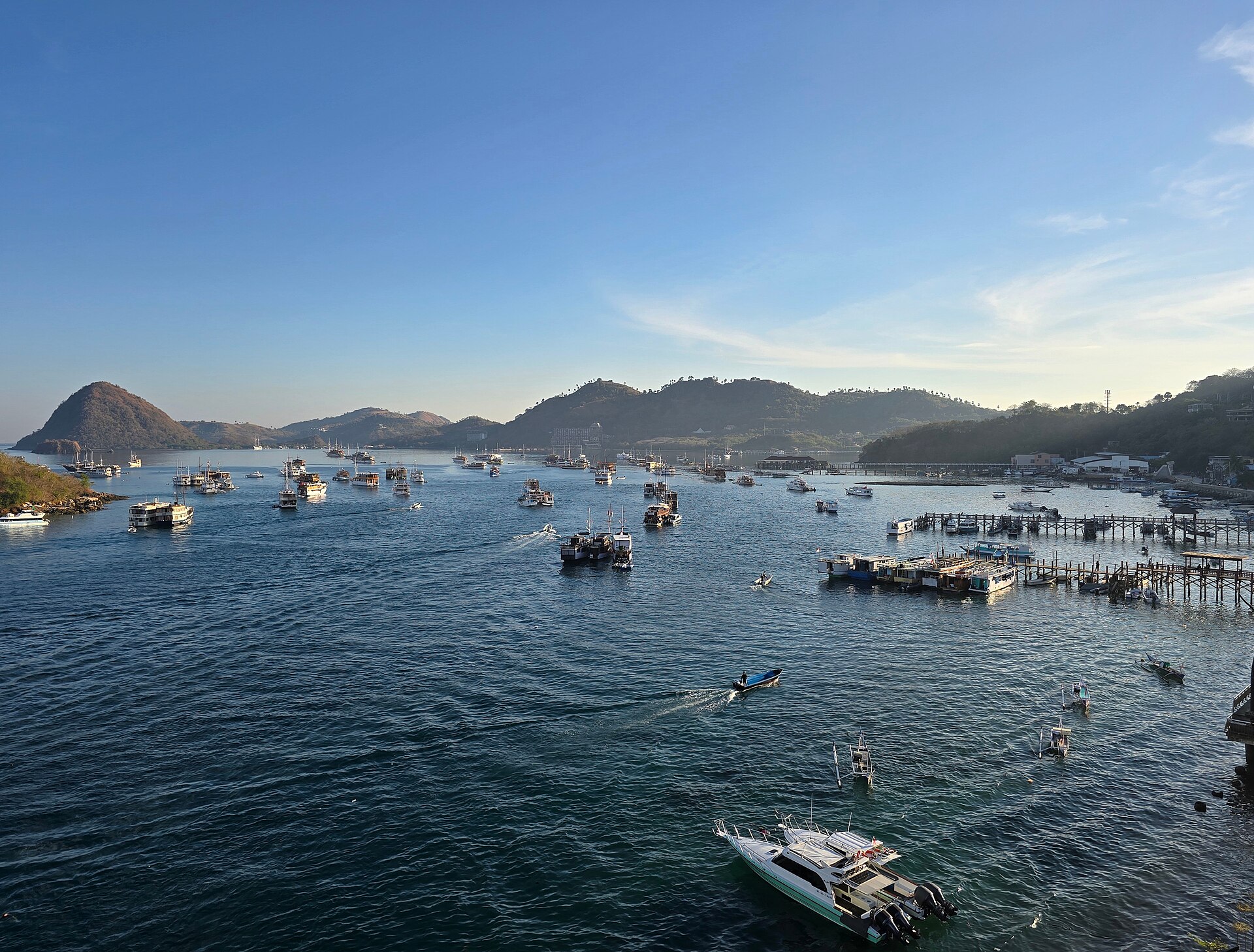
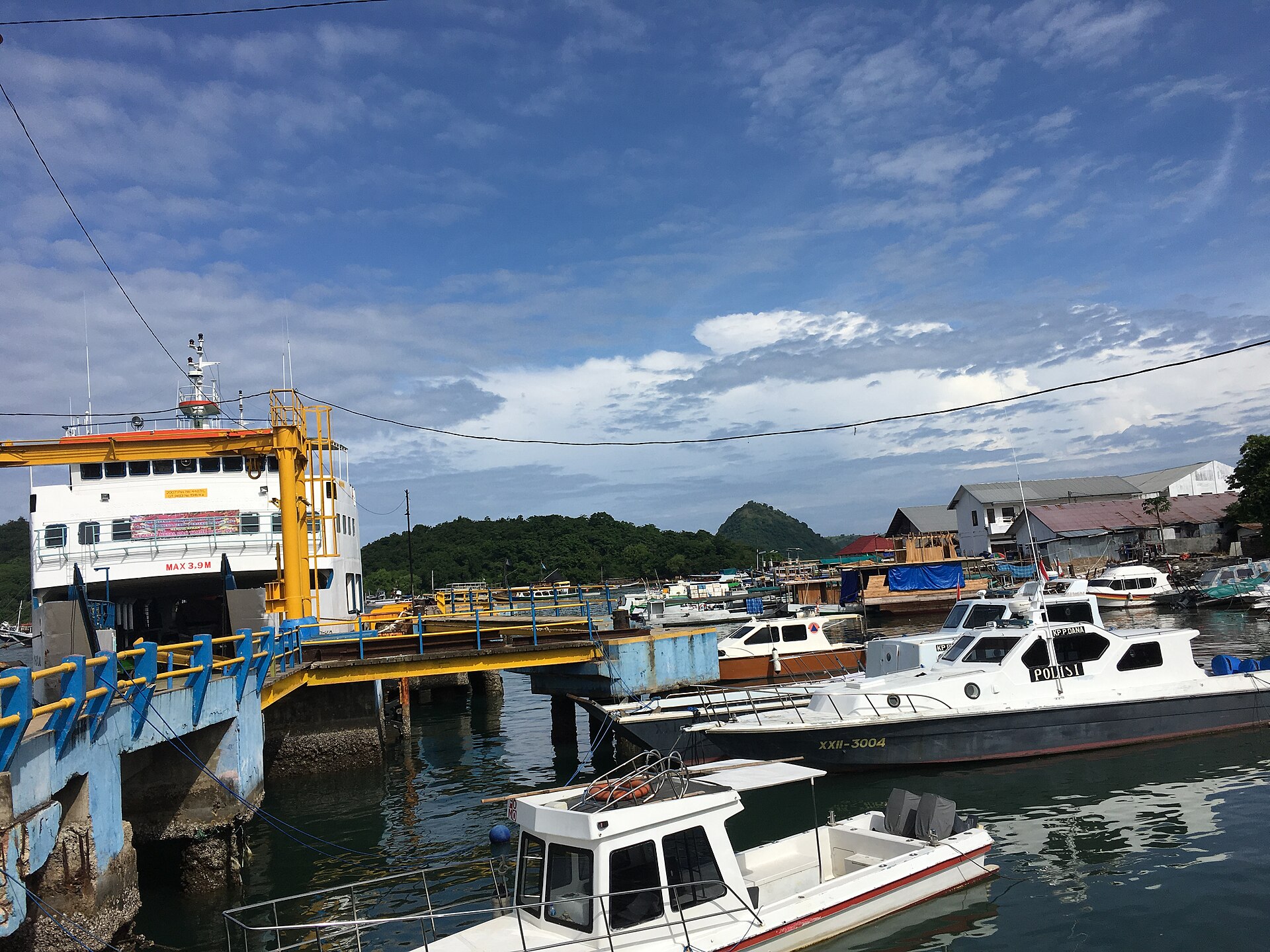
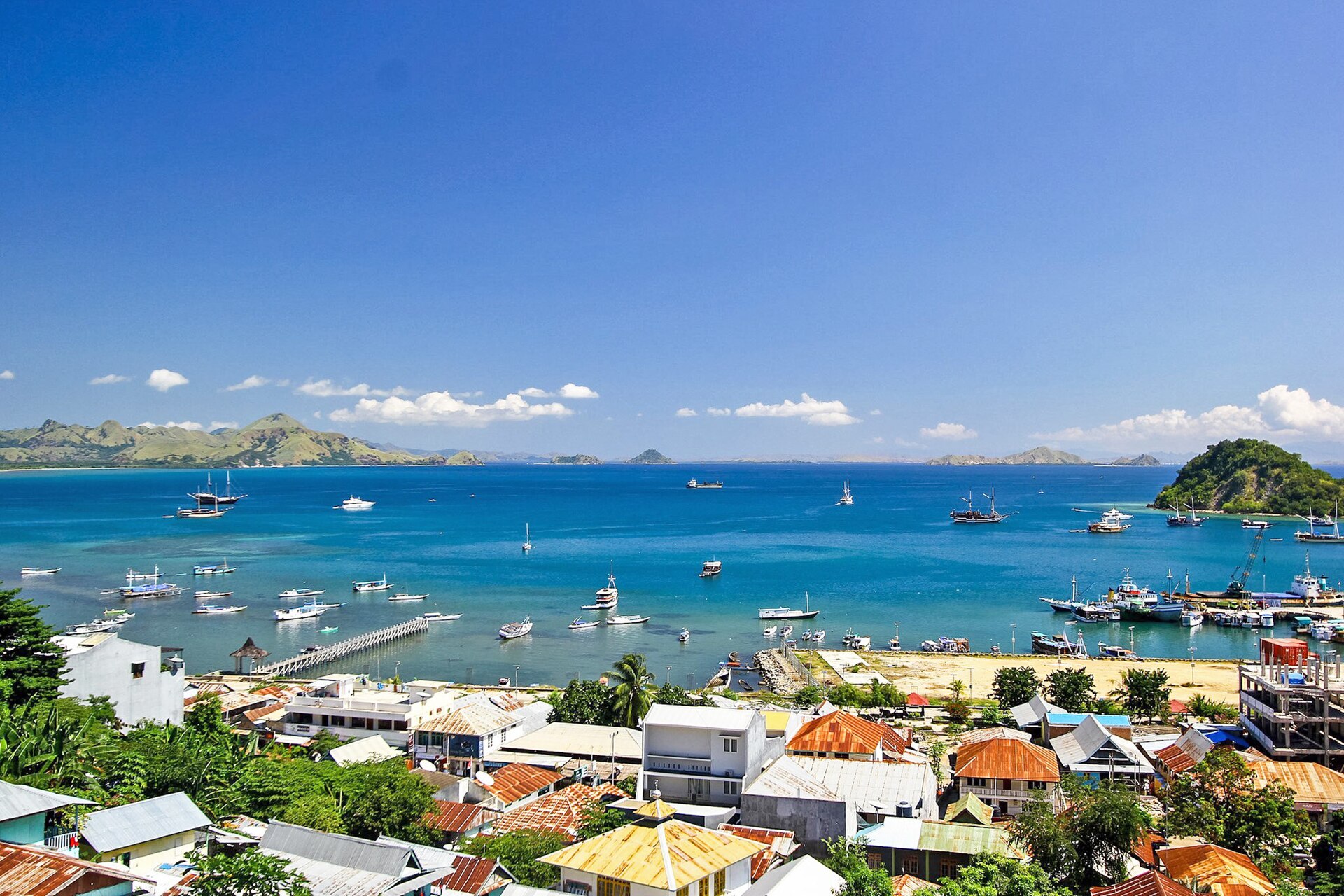
A working harbour town that grew faster than its infrastructure. The waterfront is a strip of dive shops, tour offices, cafes and hotels facing a bay full of phinisi at anchor; behind it the hills carry everything from hostels to cliff-edge resorts. It is compact enough to walk end to end in half an hour.
The town does two jobs badly explained by most pages. First, it is where every park fee, permit and boat booking is actually settled — not in the park, where there is nothing to settle anything with. Second, it is your weather buffer. Crossings are cancelled here, not out there, and the trips that go wrong are usually the ones with no spare day in Labuan Bajo.
It is also not empty, which is the other half of what pages get wrong. Within an hour of town: Batu Cermin, a limestone cave named for the way light reflects off its walls; Rangko Cave, a saltwater pool inside a rock chamber south of the harbour; Melo Village, where the Manggarai Caci whip dance is performed; and Cunca Wulang, a canyon and waterfall inland. Wae Rebo, the conical-roofed village in the highlands, is a two-day trip rather than an afternoon. None of these is why you came. All of them beat a wasted weather day.
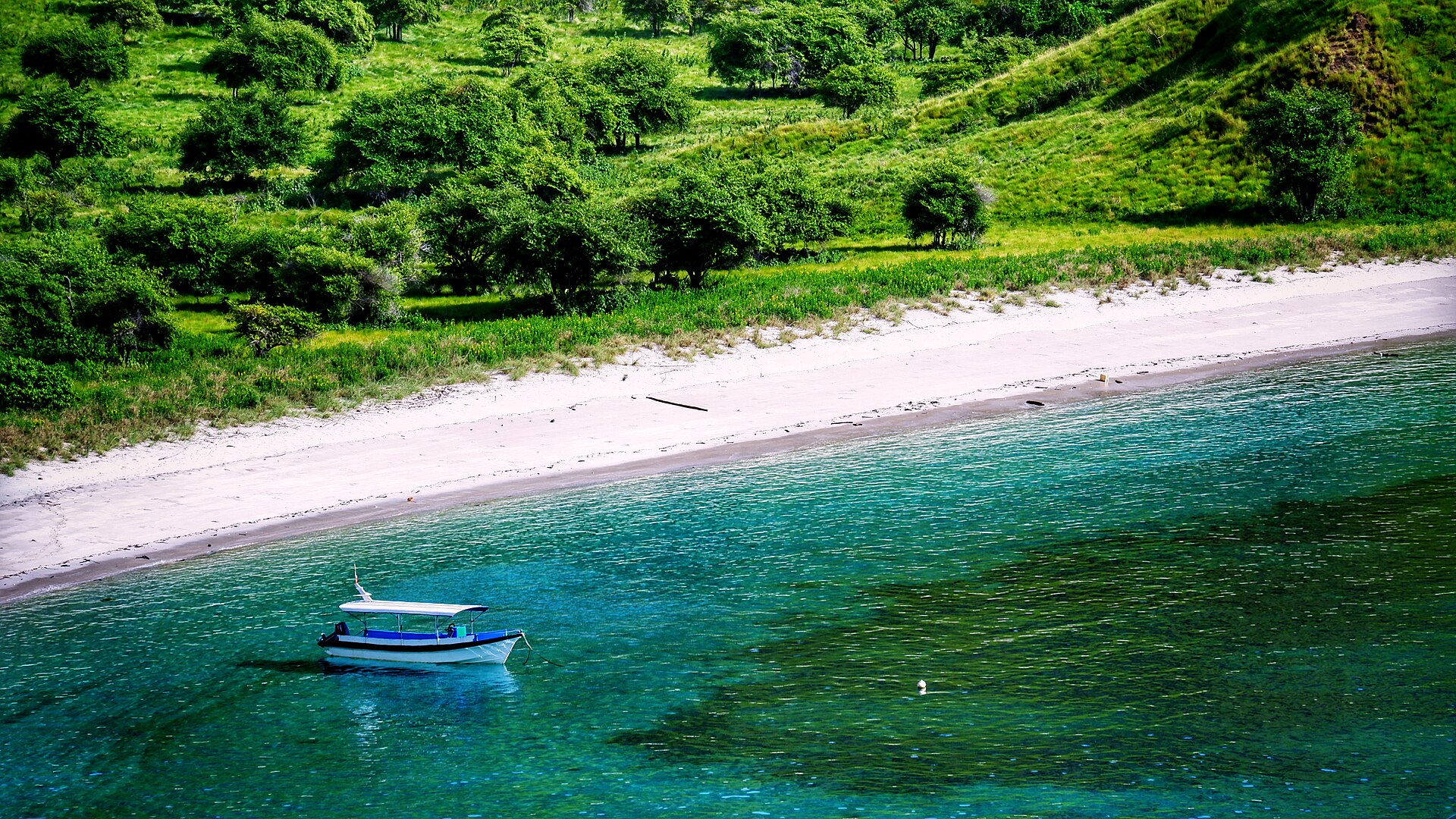
What it is not is a beach destination. There are decent beaches within a short boat ride, but the town itself faces a busy working harbour. People who book five nights expecting a resort town tend to move onto a boat by night two.
Crowds and Timing
The rhythm here is set by two schedules that barely overlap. Flights from Bali land through the morning and early afternoon, which is when the town is busiest on land. Boats leave between roughly five and seven in the morning, which is when the harbour is busiest and the town is empty.
Practically: if you arrive on an afternoon flight and sail at dawn, you will see Labuan Bajo for about fourteen hours, most of them dark. That is the most common way people experience this town, and it is why so many reviews describe it as nothing more than a departure lounge.
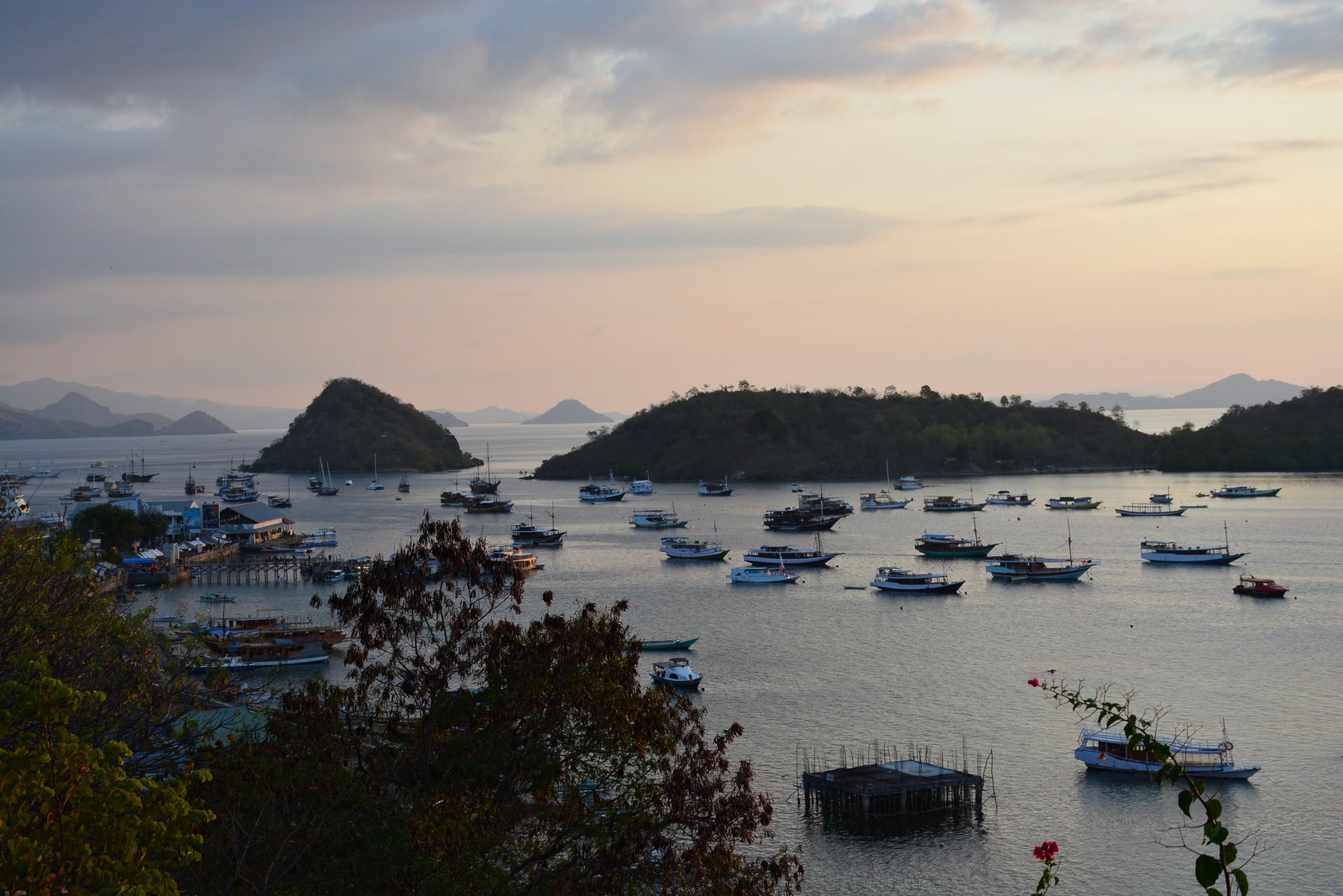
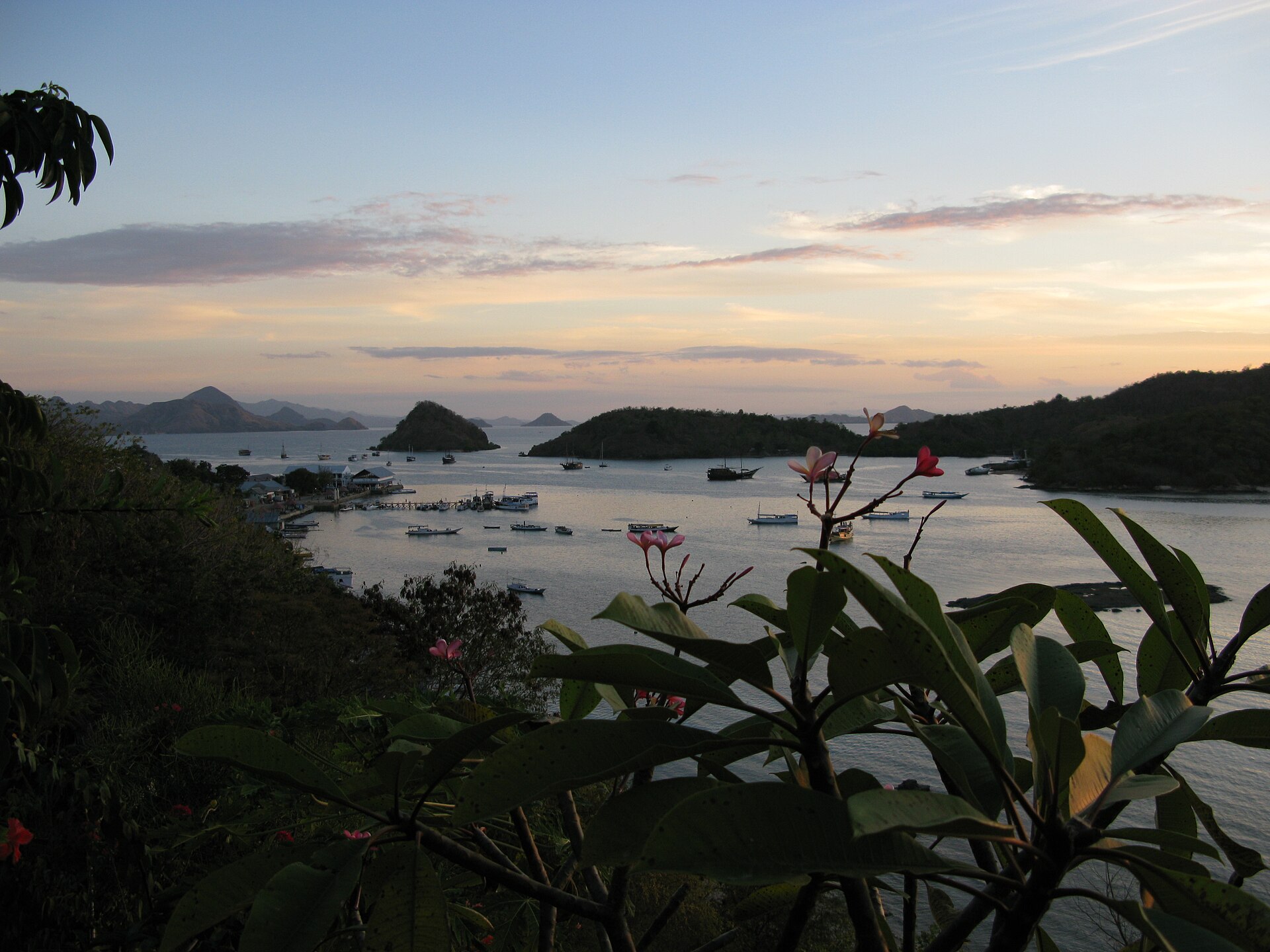
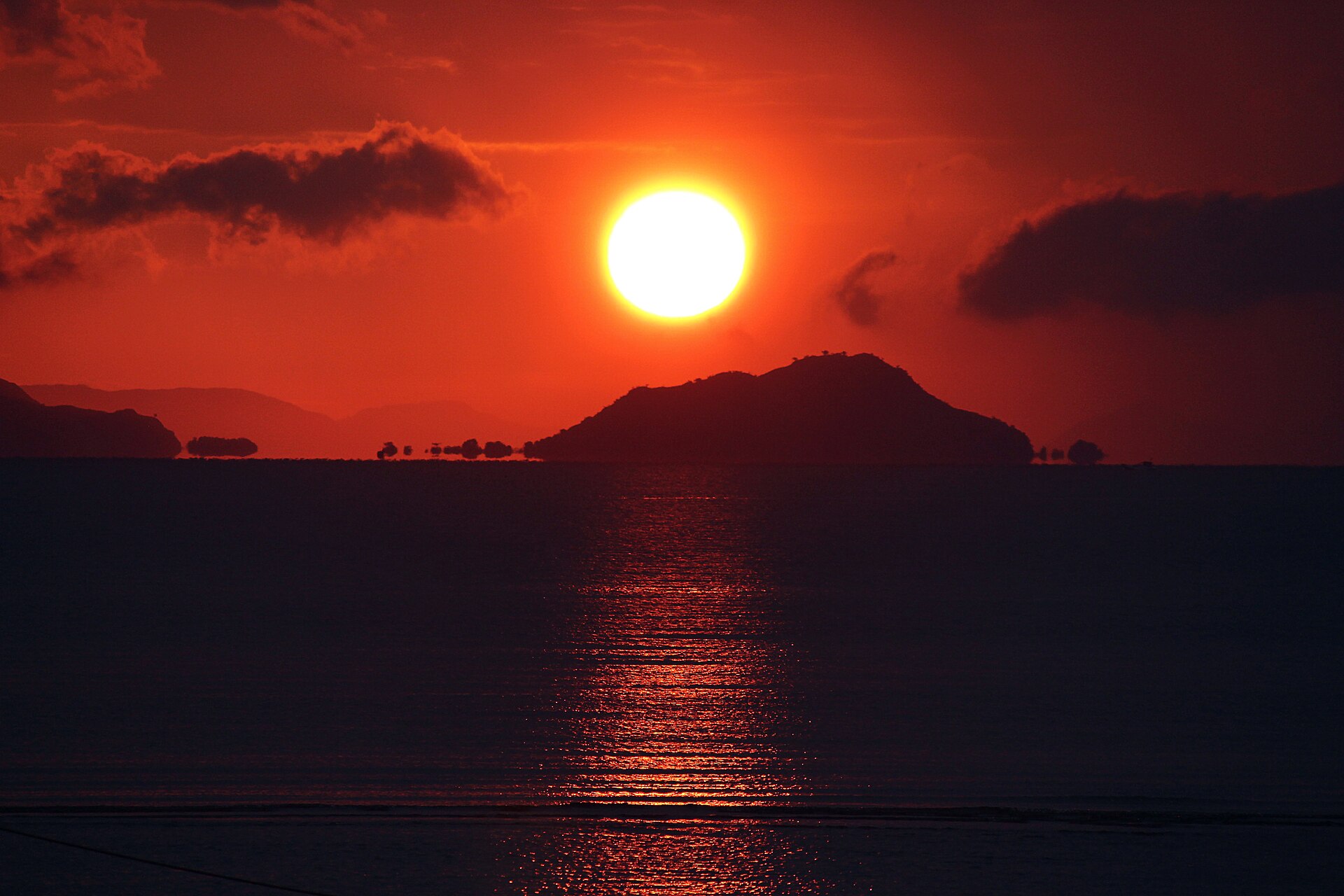
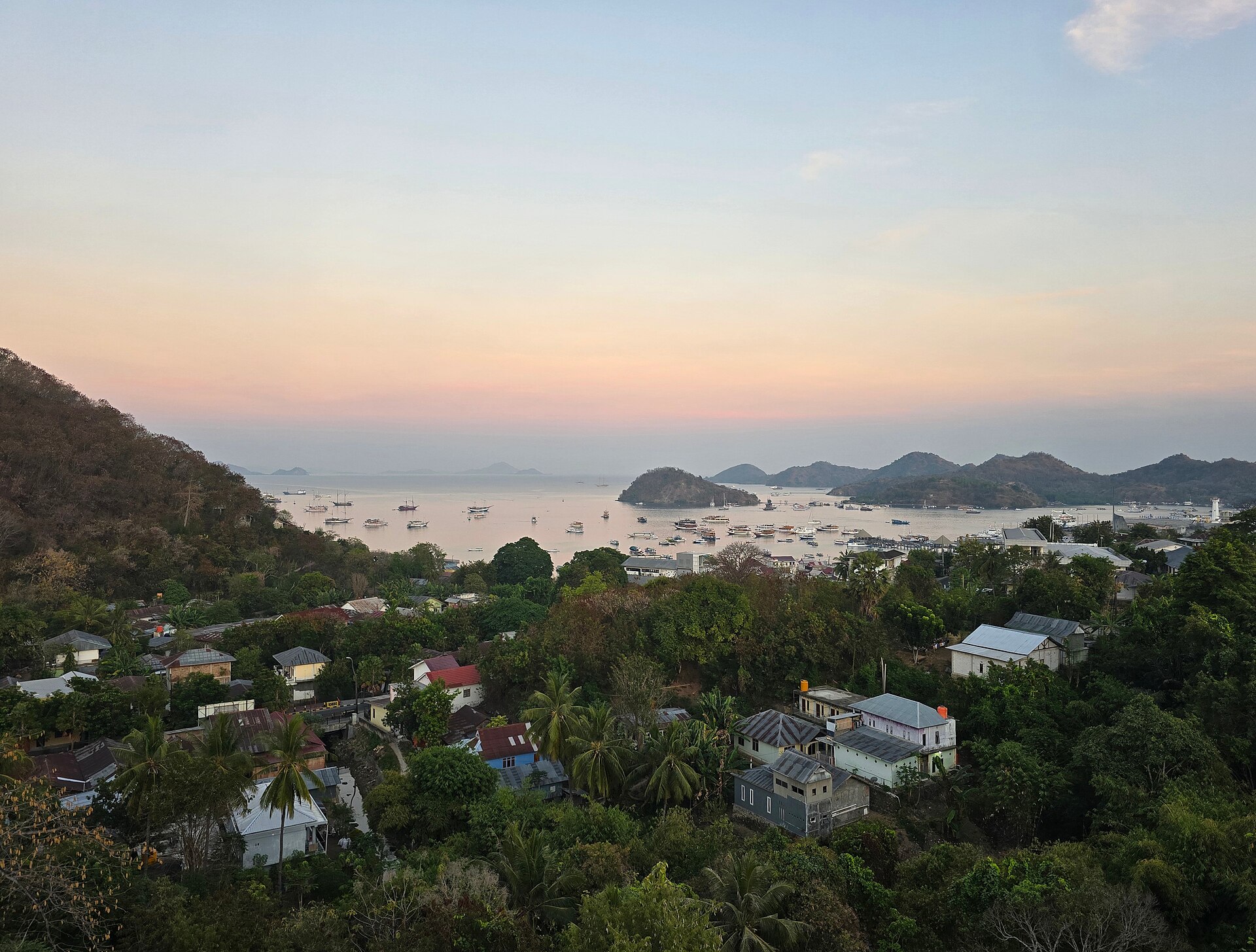
The version worth staying for is the evening. Sunset over the bay from the hillside restaurants is genuinely one of the better ones in Indonesia, and it costs you nothing but the night you were going to spend in transit anyway.
How to Visit
Getting here. Fly into Komodo Airport (LBJ) from Bali, Jakarta, Surabaya or other domestic hubs; Bali is roughly an hour and ten minutes. Published transfer times from the terminal to the harbour disagree — five minutes at one end, ten to fifteen at the other — which tells you it is close, not that anyone has measured it. A ferry from Bali exists and takes around thirty-six hours, which is a decision rather than a shortcut.
Getting out to the park. Everything leaves from the harbour. Speedboat day trips return the same evening. Liveaboards sleep at anchor inside the park. Dedicated dive day boats run three dives and come home.
Book the park before you book the boat. Since 2026 park access is a dated, name-linked reservation made through SIORA by a licensed operator, and a daily ceiling applies across the whole park. Sources disagree on the lead time actually needed — two to three days at one end, seven at another, two to four months quoted for July through September — but they agree on direction: turning up and sorting it out at the harbour no longer works.
How long to stay. Three days total is tight and leaves no room for a cancelled crossing. Five to seven is where the weather buffer stops being theoretical.
Where the boats go: Komodo National Park, and our two standard routes, 3 Days 2 Nights and 4 Days 3 Nights.
Boats That Sail Here
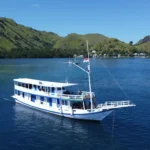
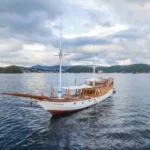
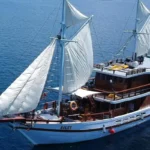
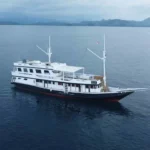
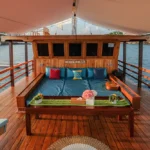
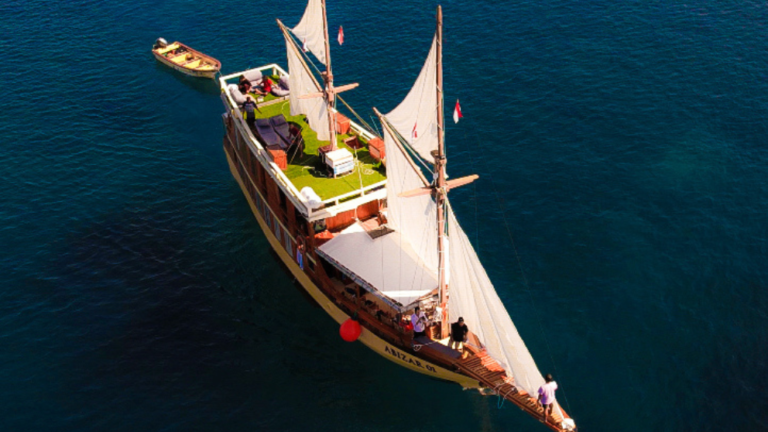
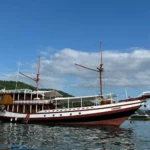
152 boats in our directory call here on their published itineraries, and the 12 with live pages are listed first. The list is generated from those itineraries, so it changes when a route changes rather than when someone remembers to edit this page.

Who This Suits
Labuan Bajo suits anyone treating it as infrastructure rather than as a destination: one or two nights either side of a boat trip, used for sleep, food, gear and the weather buffer.
It suits divers particularly well, because the operators, the compressors and the certification courses are all here rather than in the park.
It works for digital nomads in short bursts — there are cafes with usable connections — but the town is small and the novelty runs out faster than in Bali or Lombok.
It does not suit anyone booking a beach holiday. The town faces a working harbour, and the beaches that people picture are a boat ride away. Nor does it suit a tight schedule: this is the place where a cancelled crossing costs you a day, and the travellers who plan zero spare days are the ones who lose the trip.
What to Bring
- Cash. Card acceptance thins out quickly away from the main hotels, and there is effectively none inside the park.
- Anything technical you cannot replace — camera parts, dive computer, prescription mask. Stock here is limited and marked up.
- Reef-safe sun protection, bought before you arrive if you care about the brand.
- A spare day in the itinerary. It is the single most useful thing you can pack for this town.
Safety Notes
The town itself is straightforward: petty theft is the realistic risk, not violence, and normal precautions cover it.
The decision that actually carries risk is the boat. Operator quality varies widely, and the difference shows up in weather calls, life jackets, and whether anyone on board is trained for an emergency. Ask what happens if the crossing is cancelled, and ask before you pay.
Labuan Bajo holds the nearest medical facilities and the nearest hyperbaric chamber to the park. That is worth knowing in both directions: it is the reason divers base here, and it is the reason an incident inside the park is measured in hours rather than minutes.
Photography Notes
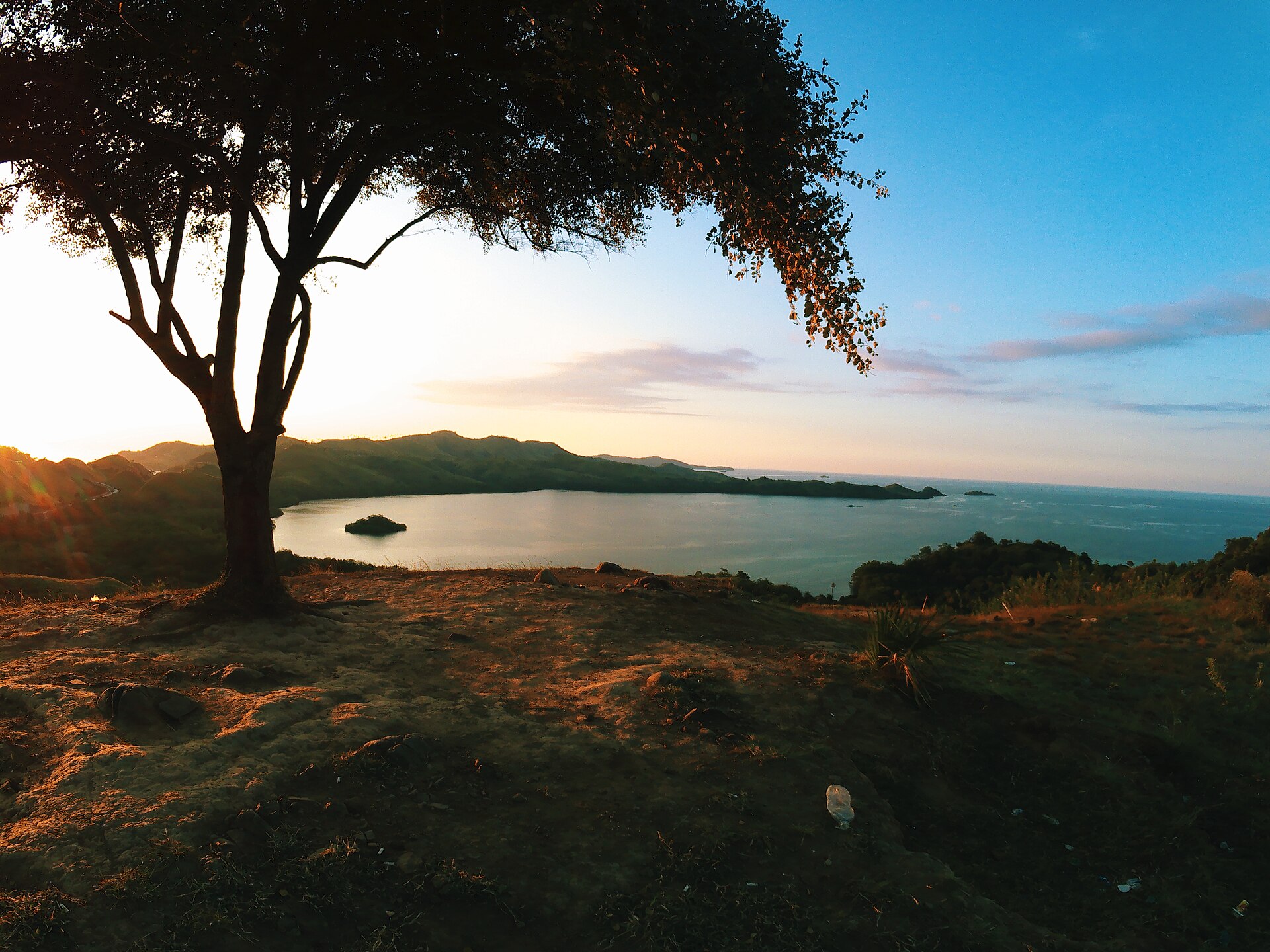
The one genuinely photographic asset here is the view down onto the bay, and it works from height rather than from the waterfront. Puncak Waringin, Sylvia Hill and Bukit Amelia all look west over the harbour, and the phinisi at anchor give the frame a foreground that an open sea horizon does not.
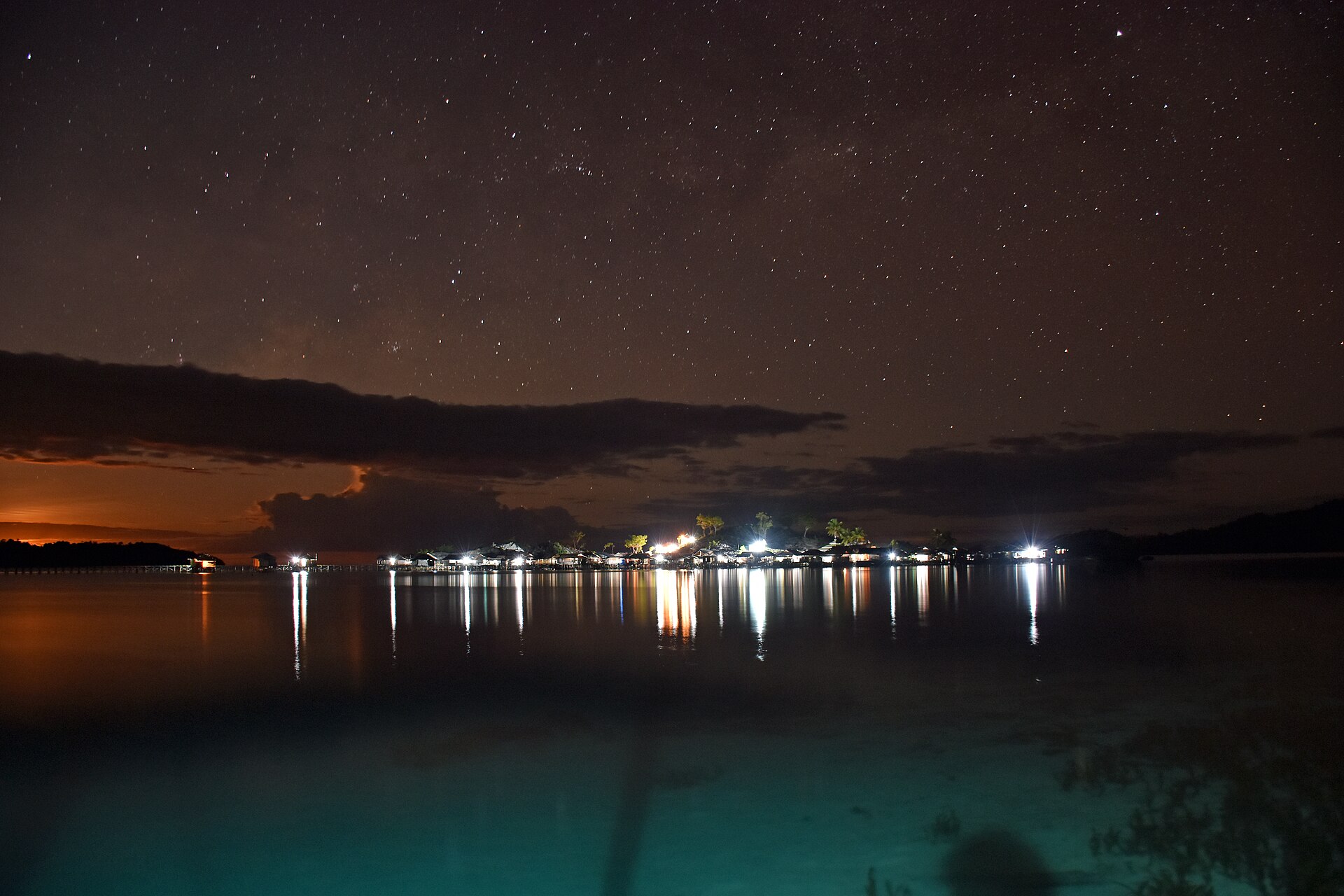
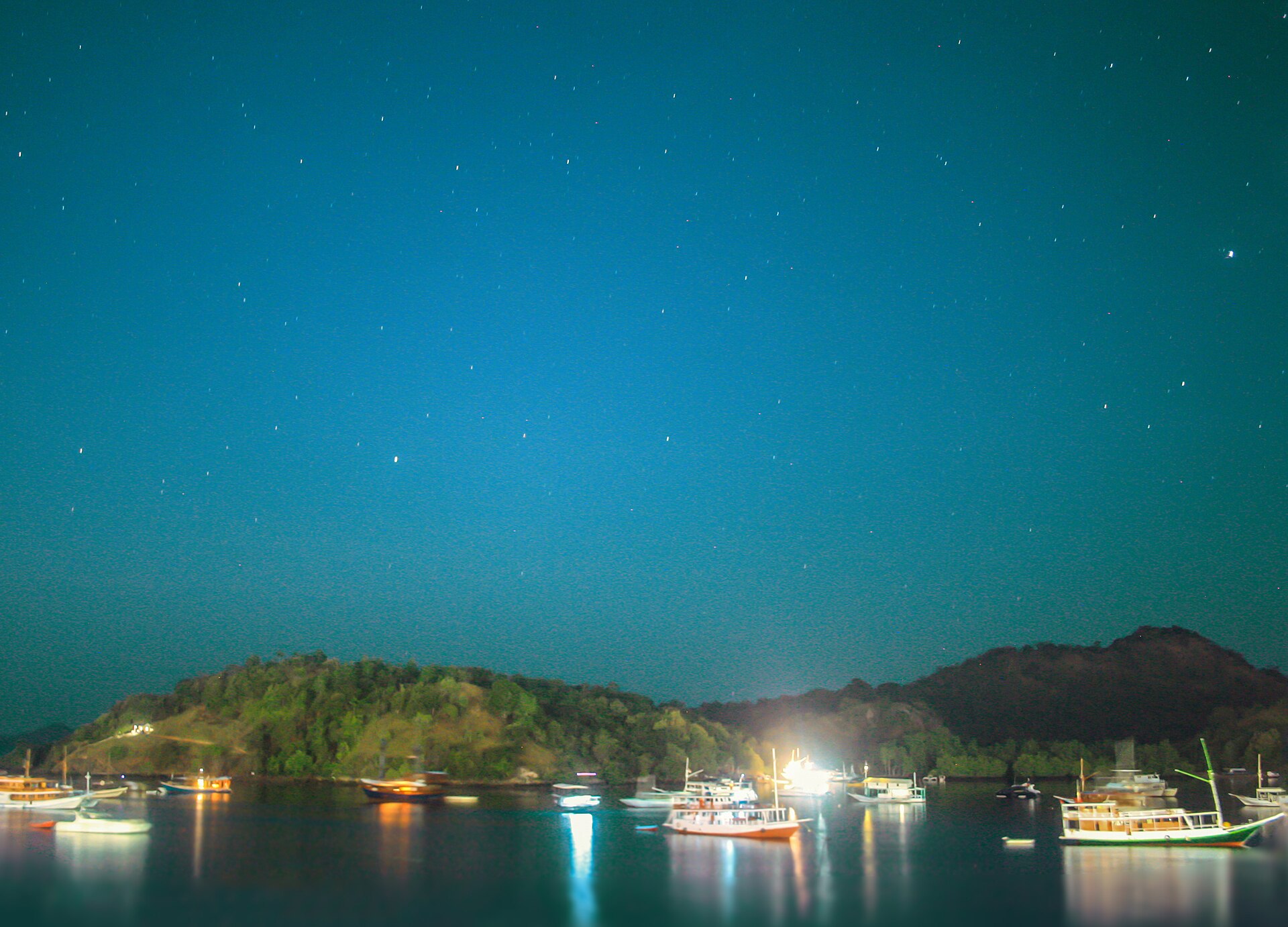
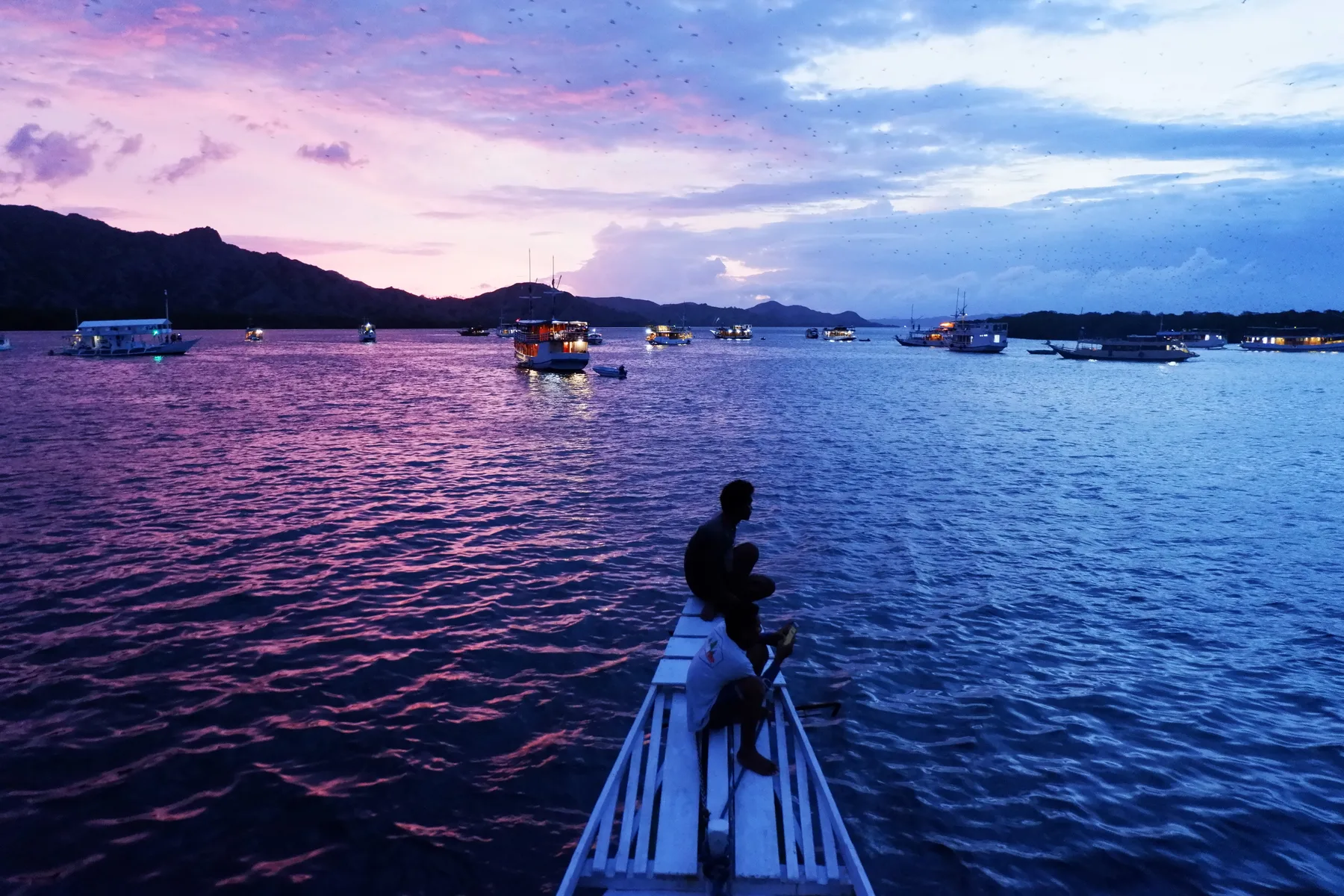
Time it for the last forty minutes of light and stay through blue hour. The boats switch their deck lights on and the bay reads better at dusk than at sunset itself. A mid-range zoom earns its place more than a wide angle, because the interest is in individual hulls rather than in the panorama.
Drones are a different question depending on which side of the line you fly. Labuan Bajo sits outside the park boundary; inside it a drone permit is separate, expensive and has to be requested in advance. The schedule further down this page covers what applies once you cross.
Entrance Fee
Labuan Bajo itself is outside Komodo National Park, so there is no park entrance charge for being in town. Park access uses SiOra e-ticketing and cashless payment. Reserve before travel; Ministry guidance recommends H-1. An operator can assist, and self-service is available at the Komodo Visitor Center and KP3 terminal.
Inside the park, statutory entrance is charged per person, per day—not per visit. The final SiOra total can also include activity, vessel or special-use charges. The verified statutory table, legal basis and source date appear in What the Park Costs below.
Frequently Asked Questions
How do I get to Labuan Bajo?
By air, almost always. Komodo Airport (LBJ) takes direct flights from Bali — about an hour and ten minutes — along with Jakarta, Surabaya and other domestic hubs. The harbour is roughly ten minutes from the terminal. A ferry from Bali exists and runs around thirty-six hours; people take it for the journey, not to save time.
How many nights should I spend in Labuan Bajo?
One or two on land is normal, either side of the boat. What matters more is total days in the region: three is tight and leaves no room for a cancelled crossing, five to seven is comfortable. Weather here is the variable that ruins otherwise well-planned trips, and the buffer has to sit somewhere.
Can I see Komodo dragons from Labuan Bajo without a boat?
No. The dragons live inside the national park on Komodo and Rinca, both reachable only by boat, and treks run from two ranger stations only. There is no road, no bridge and no ferry service between the town and the islands. Every dragon trek sold in Labuan Bajo is a boat trip.
Is Labuan Bajo the same thing as Komodo?
No, and the three names are used interchangeably in a way that costs people days. Labuan Bajo is a town on the island of Flores, outside the park boundary. Komodo National Park is the protected area offshore — three large islands and roughly two dozen smaller ones. Komodo Island is one island inside that park. A Komodo tour from Labuan Bajo is therefore always a boat trip, and park fees apply from the moment your boat crosses into the park, not while you are in town.
Two smaller confusions worth clearing. The name is also written Labuanbajo and Labuhanbajo, all the same place. And it is unrelated to Labuan in Banten on Java, which is a different town on the other side of the country.
Day trip or liveaboard from Labuan Bajo?
A day trip covers the central highlights and gets you back before dark, which also means arriving everywhere at the same time as the rest of the fleet. A liveaboard sleeps at anchor inside the park, which buys the early and late windows and the northern and southern zones that day boats cannot practically reach. The trade is cost against hours you control. See Padar Island for the clearest example of what those hours are worth.
Is Labuan Bajo a good beach destination on its own?
Not really, and it is worth saying plainly. The town faces a working harbour full of boats at anchor. There are good beaches nearby — on the small islands within an hour of port — but they are a boat ride, not a walk. Travellers who book five nights on land expecting a resort town usually end up moving onto a boat.
What is there to do in Labuan Bajo in the evening?
The hillside restaurants above the bay are the reason to stay a night rather than transit through. Sunset over the harbour is genuinely among the better ones in Indonesia. Beyond that: dive shops, a compact cafe scene, and the practical business of sorting gear and permits. It is a small town, and the novelty is measured in days, not weeks.
Where do the boats actually leave from?
The main harbour on the waterfront, about ten minutes from the airport. Departures cluster between roughly five and seven in the morning, because the day-trip schedule is built backwards from a sunrise arrival at Padar. Liveaboards using wooden phinisi often leave earlier still, since they are slower. Confirm your pickup time with the operator rather than assuming.
What the Park Costs
| What you pay | Amount | Basis |
|---|---|---|
| Park entrance, foreign visitor | Rp 250,000 ≈ $14 | per person, per day The statutory Class I entrance rate. The 150% holiday rule applies to Indonesian visitor and student rates, not this foreign visitor rate. |
| Park entrance, Indonesian visitor, normal day | Rp 50,000 ≈ $3 | per person, per day The normal-day Class I entrance rate. |
| Park entrance, Indonesian visitor, holiday or collective leave | Rp 75,000 ≈ $4 | per person, per day 150% of the normal Indonesian visitor rate on the dates covered by the statutory holiday rule. |
| Indonesian student group, normal day | Rp 25,000 ≈ $1 | per person, per day For Indonesian student groups of at least five people. |
| Indonesian student group, holiday or collective leave | Rp 37,500 ≈ $2 | per person, per day 150% of the normal student-group rate; the minimum group size remains five. |
| Scuba diving activity | Rp 25,000 ≈ $1 | per diver, per day A separate activity charge in addition to the applicable entrance fee. |
| Motorised vessel entry | Rp 100,000–200,000 per boat, per day | Rp 100,000 for 40–100 HP, Rp 150,000 for 101–500 HP, and Rp 200,000 above 500 HP. |
| Drone use | Rp 2,000,000 ≈ $112 | per unit, per day A separate special-use charge. Complete the required SiOra/SIMAKSI process before travel. |
- SiOra is the park’s e-ticketing and SIMAKSI system. Reserve before travel; Ministry guidance recommends completing the reservation by H-1. An operator can assist, and self-service is available at the Komodo Visitor Center and KP3 terminal.
- Payment is cashless through the methods available in SiOra, including BRIVA or bank transfer and supported e-wallets. Keep the e-ticket and ensure the traveller details are correct.
- A 1,000-visitor daily quota has applied since 1 April 2026 to the main visitor islands and 23 dive sites. Availability therefore depends on the travel date and registered itinerary.
- The final SiOra total can include entrance, activity, vessel and special-use charges. Ask the handling operator for an itemised total before issuance.
- Official public guidance does not state one universal refund or rescheduling rule for every reservation. Confirm the current SiOra terms in writing before the ticket is issued, including treatment of weather disruption.
Statutory fees under Peraturan Pemerintah No. 36 Tahun 2024, in force since 30 October 2024. Verified 31 August 2026 against the official PP 36/2024 schedule, the Ministry of Forestry SiOra notice and the Ministry’s 2026 quota notice. Amounts are payable in rupiah; dollar figures are courtesy estimates converted at Rp 17,900 and rounded.
Cruise Areas
Location
Labuan Bajo, Manggarai Barat, East Nusa Tenggara, Indonesia






Add a review